 Materials & care
Reading a fiber label before you buy
Fiber content tells you what is in the fabric. Construction, finishing, and care instructions tell you more about living with it.
The reading shelf
Understand the cloth, read the label, and choose the care your clothes actually need.
Materials & careFiber content tells you what is in the fabric. Construction, finishing, and care instructions tell you more about living with it.
 Materials & care
Cotton can form a stretchy T-shirt knit or a more structured woven shirt; construction explains much of the difference.
 Materials & care
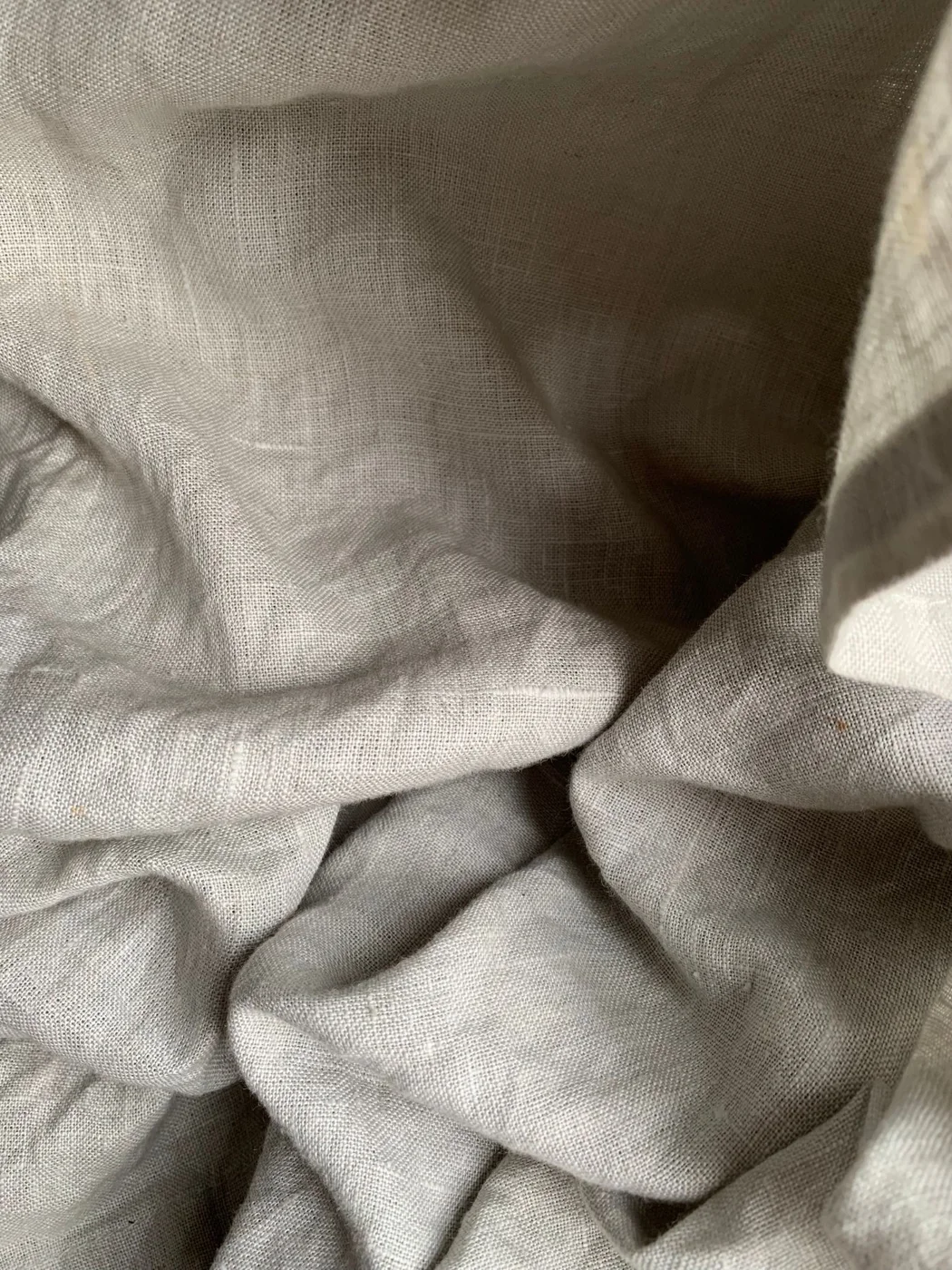
Decide whether visible creasing fits your routine before paying for linen's texture and drape.
 Materials & care
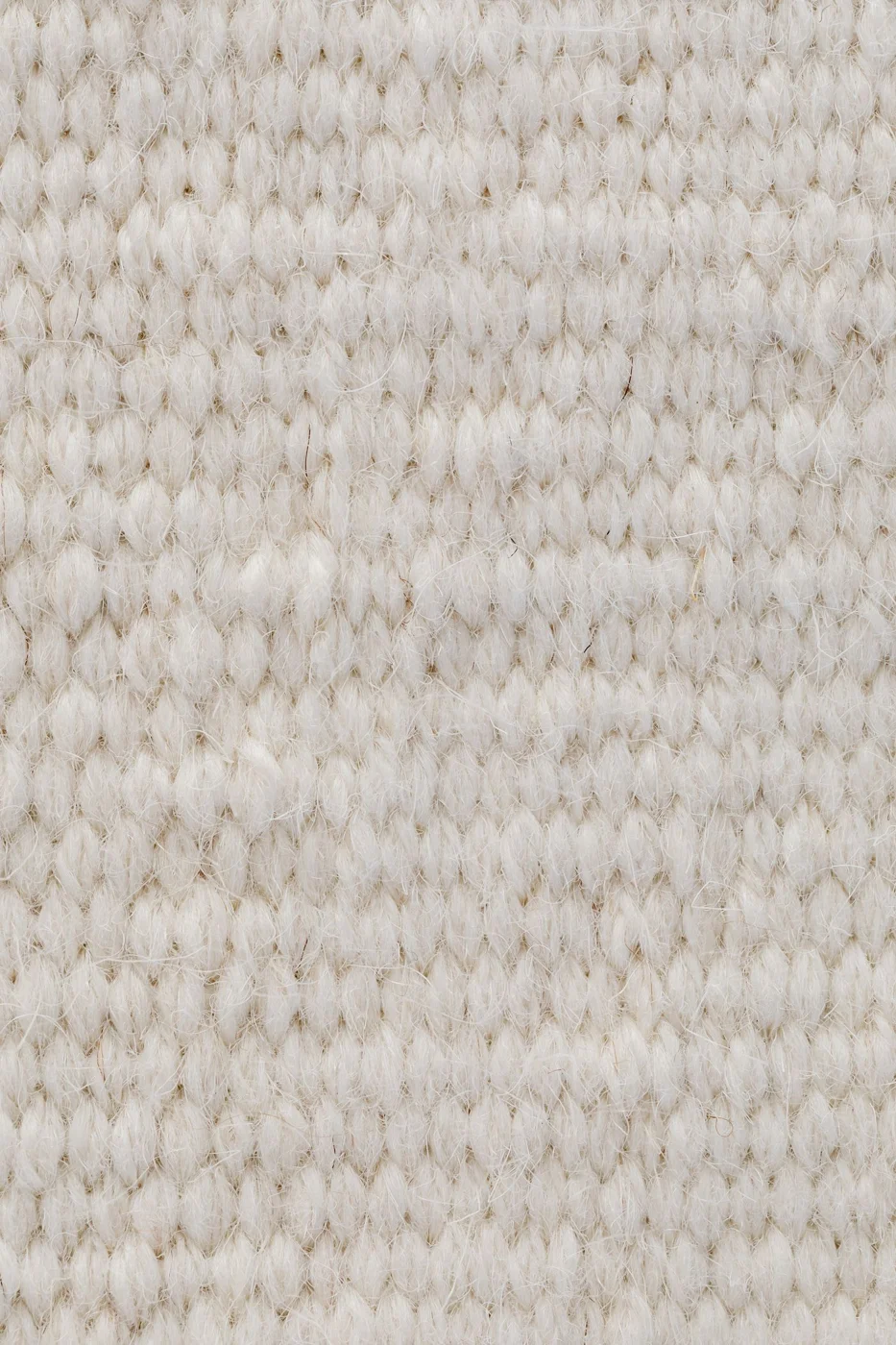
The finished viscose garment, including its seams and trim, determines the care routine you should follow.
 Materials & care
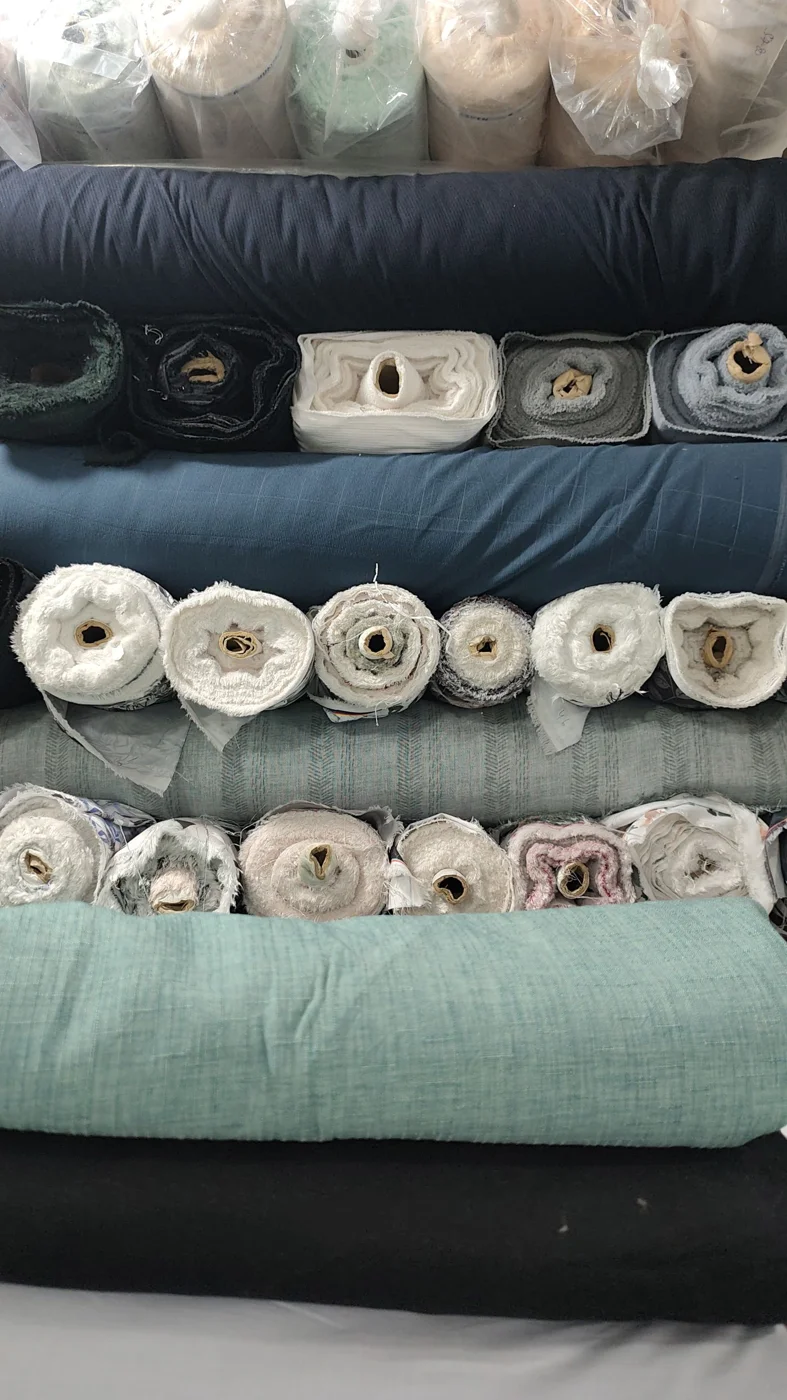
A blend percentage is a clue about composition, not a complete forecast of comfort, durability, or care.
 Materials & care
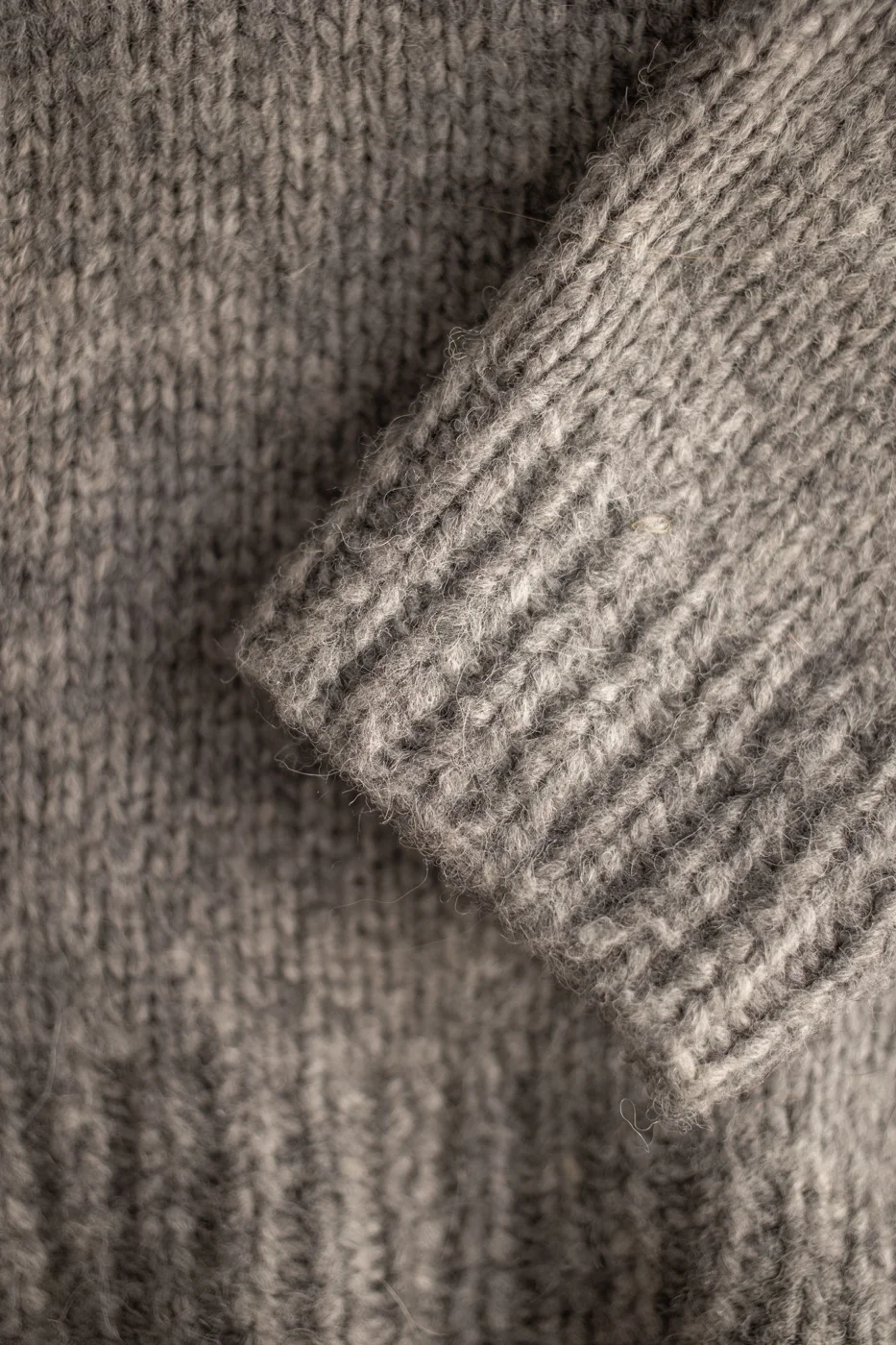
Compare the actual knit, seams, and contact surfaces instead of equating a thick sweater with a better one.
 Materials & care
Softness is a wearing preference. Fiber information, construction, seller transparency, and care make a more complete comparison.
 Materials & care
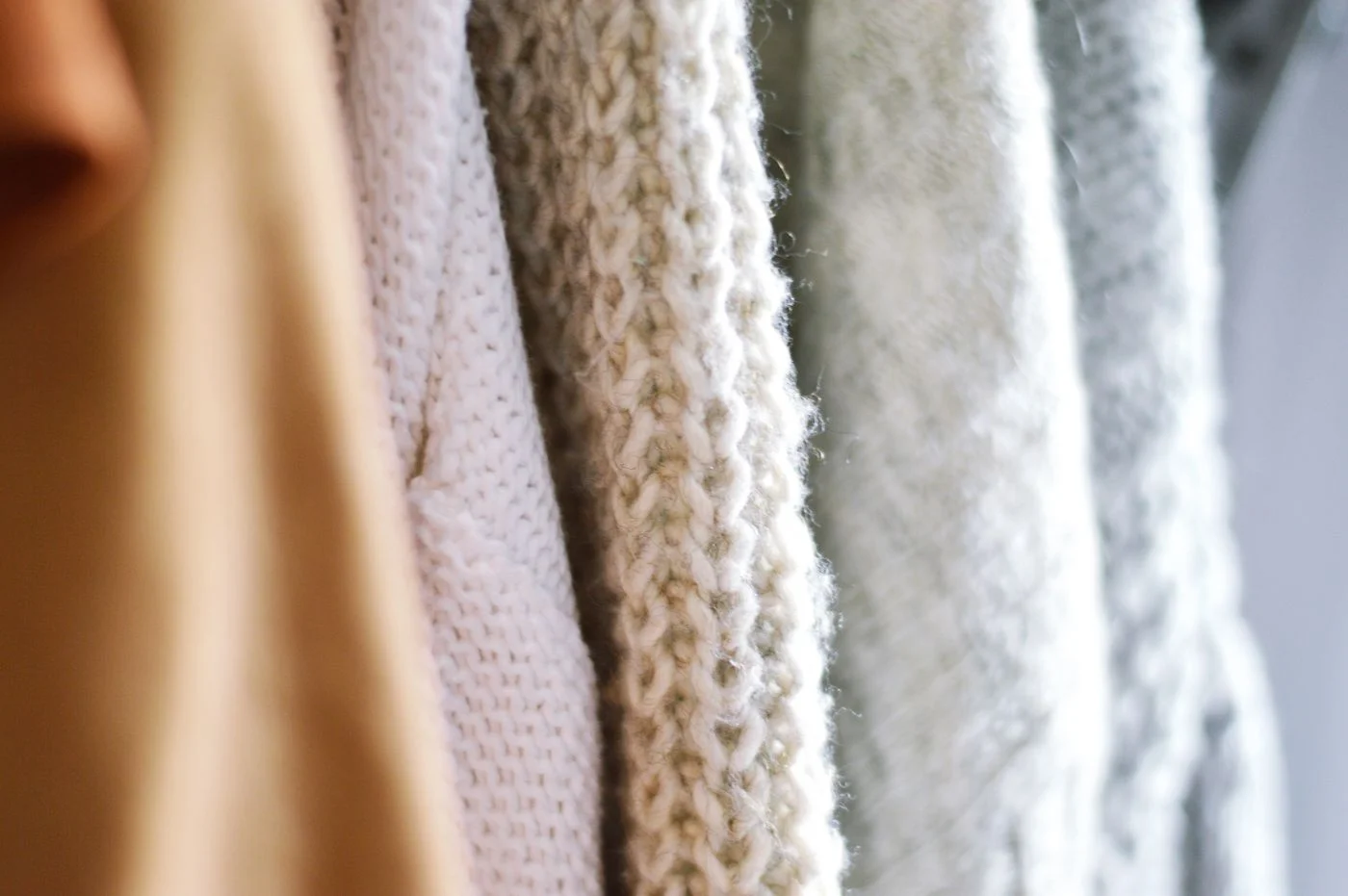
Merino layers are easiest to live with when their stated washing and drying routine fits your week.
 Materials & care
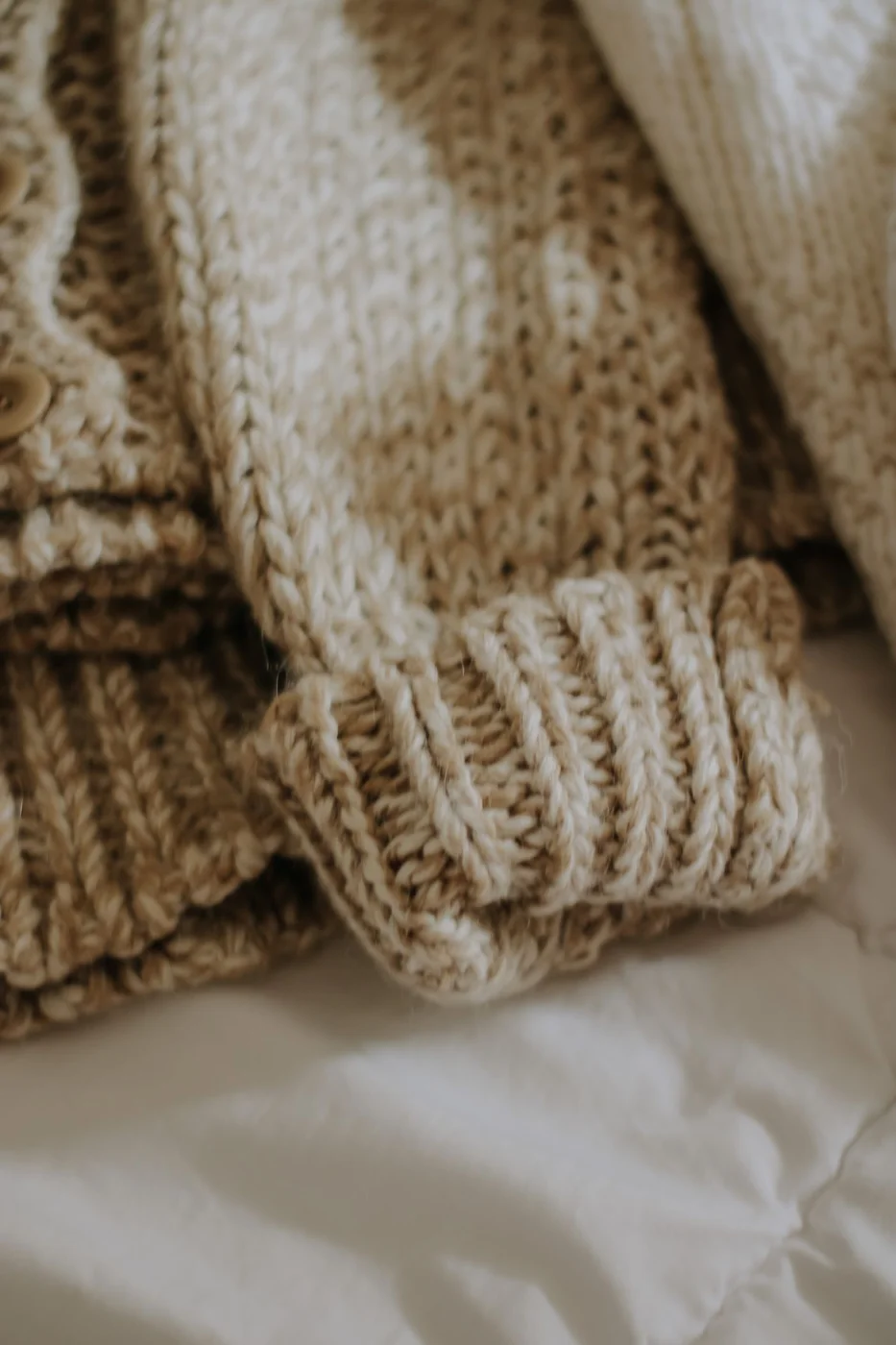
Assess an acrylic sweater's knit and surface in context instead of using the fiber name as a shortcut for quality.
 Materials & care
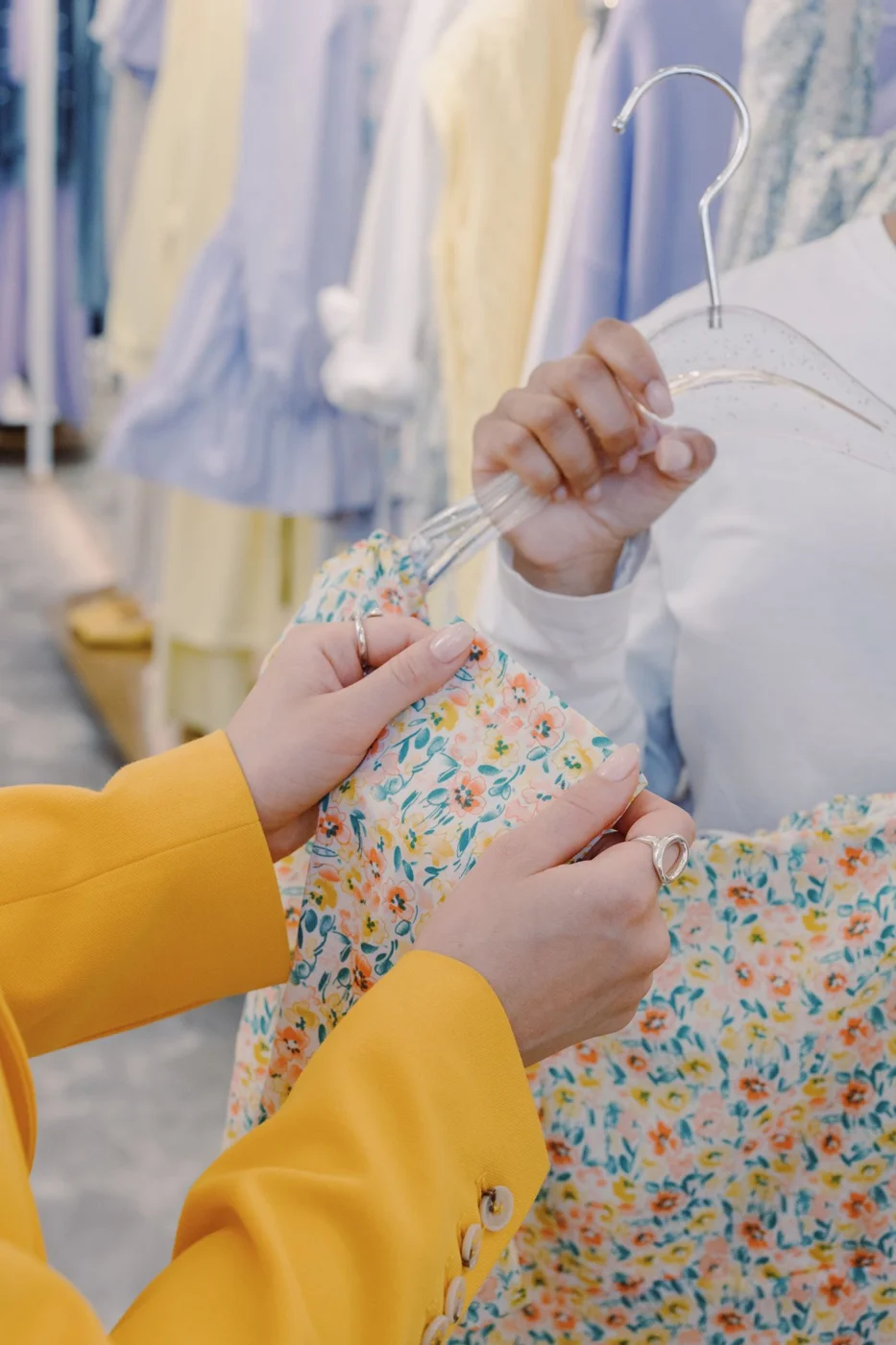
A fabric can stretch easily yet fail to return to the shape you want. Evaluate both behaviors in the garment.
 Materials & care
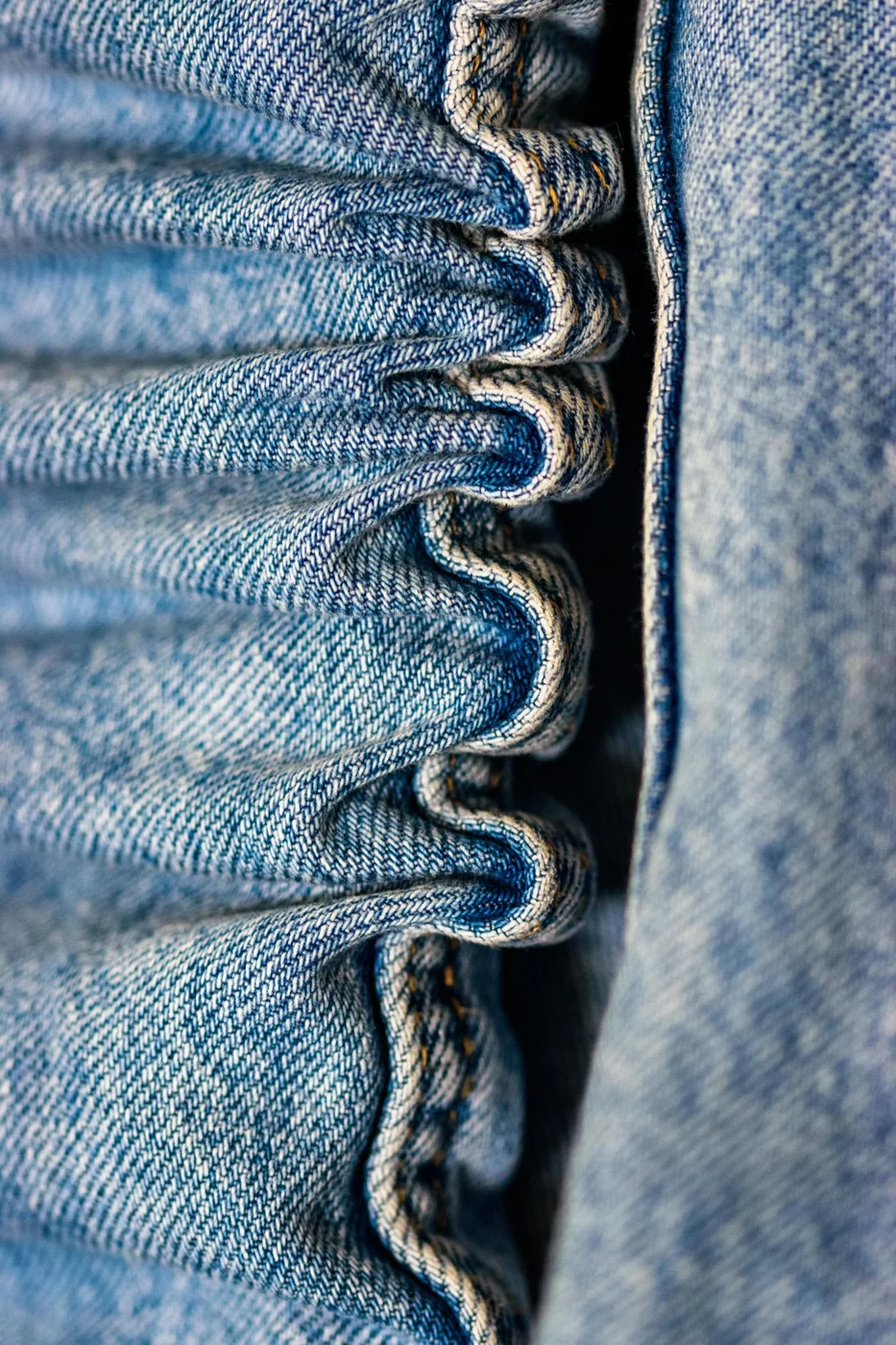
Denim weight helps describe the cloth, but cut, finishing, and stretch determine how the jeans behave on you.
 Materials & care
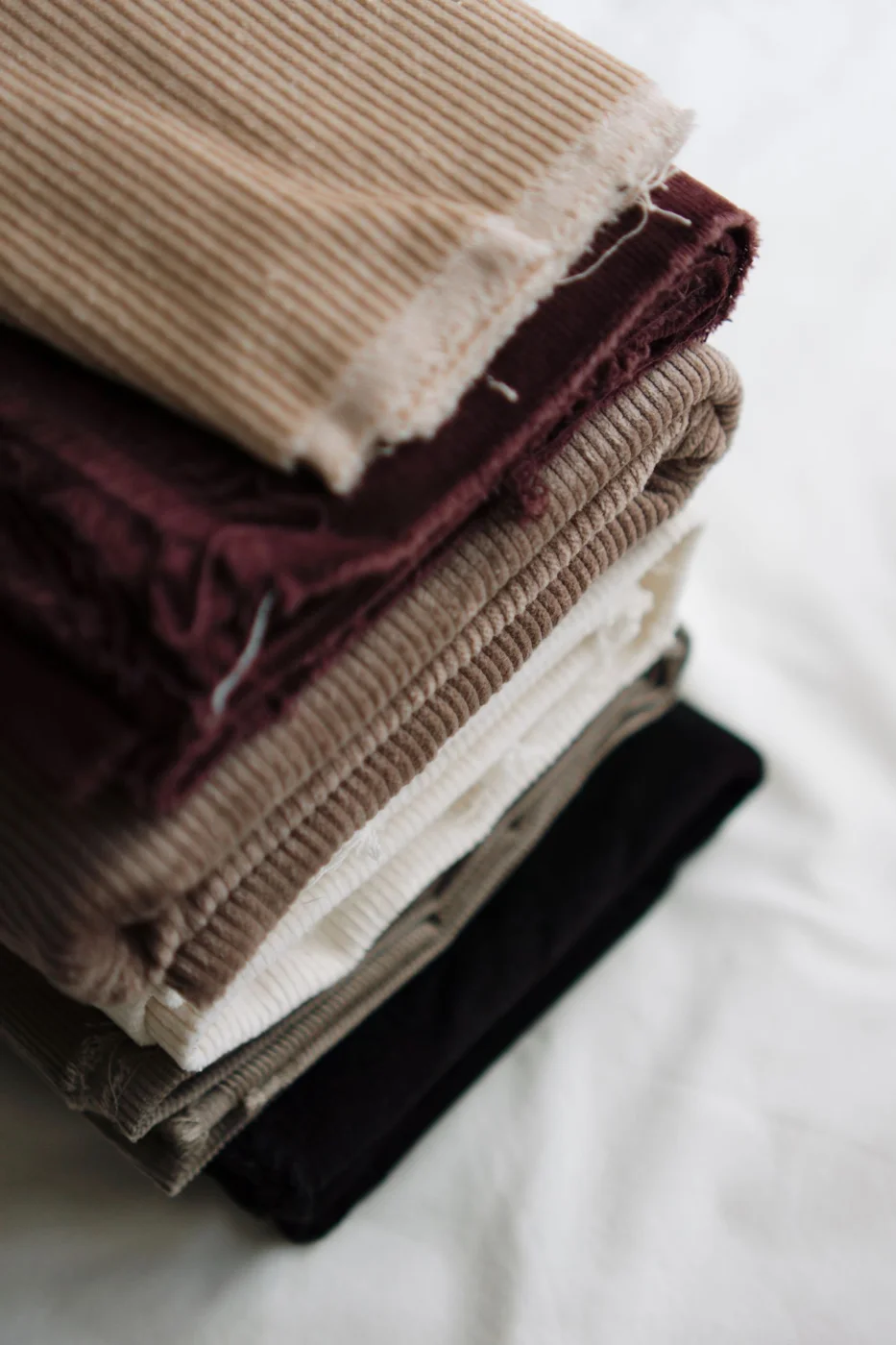
Corduroy's rib width changes its appearance, while fit and contact points influence where wear becomes visible.