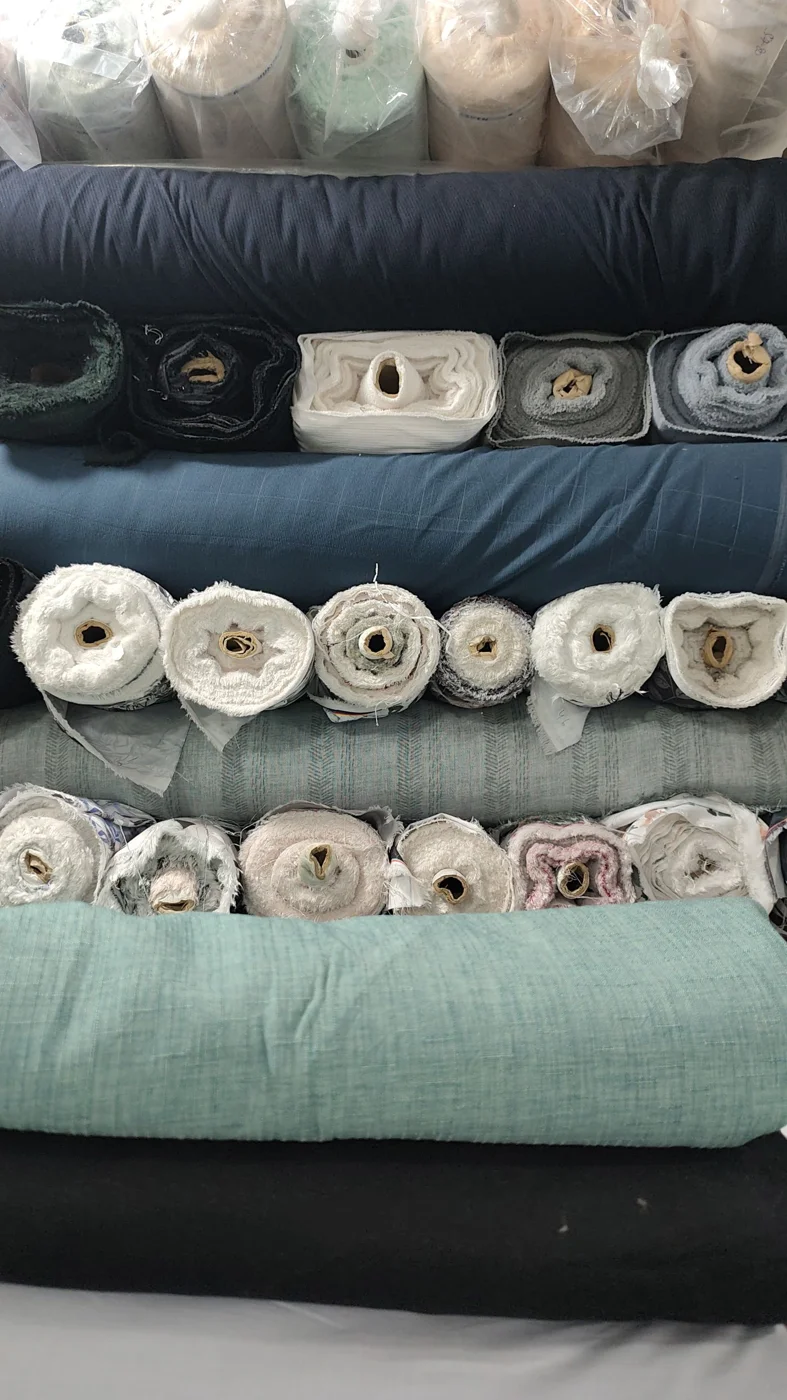
Two tops can each contain sixty percent polyester and still feel unlike one another. One may be a fine open knit, another a dense woven fabric with a lining. The percentage tells you how much of that fiber is present, but it does not describe every feature that shapes the wearing experience.
Start with the purpose of the garment. A lightweight layer for an air-conditioned office, a flowing occasion dress, and a casual travel shirt ask different things from a fabric. Compare the complete item against that purpose rather than deciding that a particular percentage is automatically good or bad.
Ask what else is in the blend
Read the full composition and any separate lining entry. A cotton-polyester blend is not the same as a wool-polyester blend, and a small amount of elastane can change the movement of some constructions. The order of ingredients is less useful than the actual proportions and the way the cloth behaves.
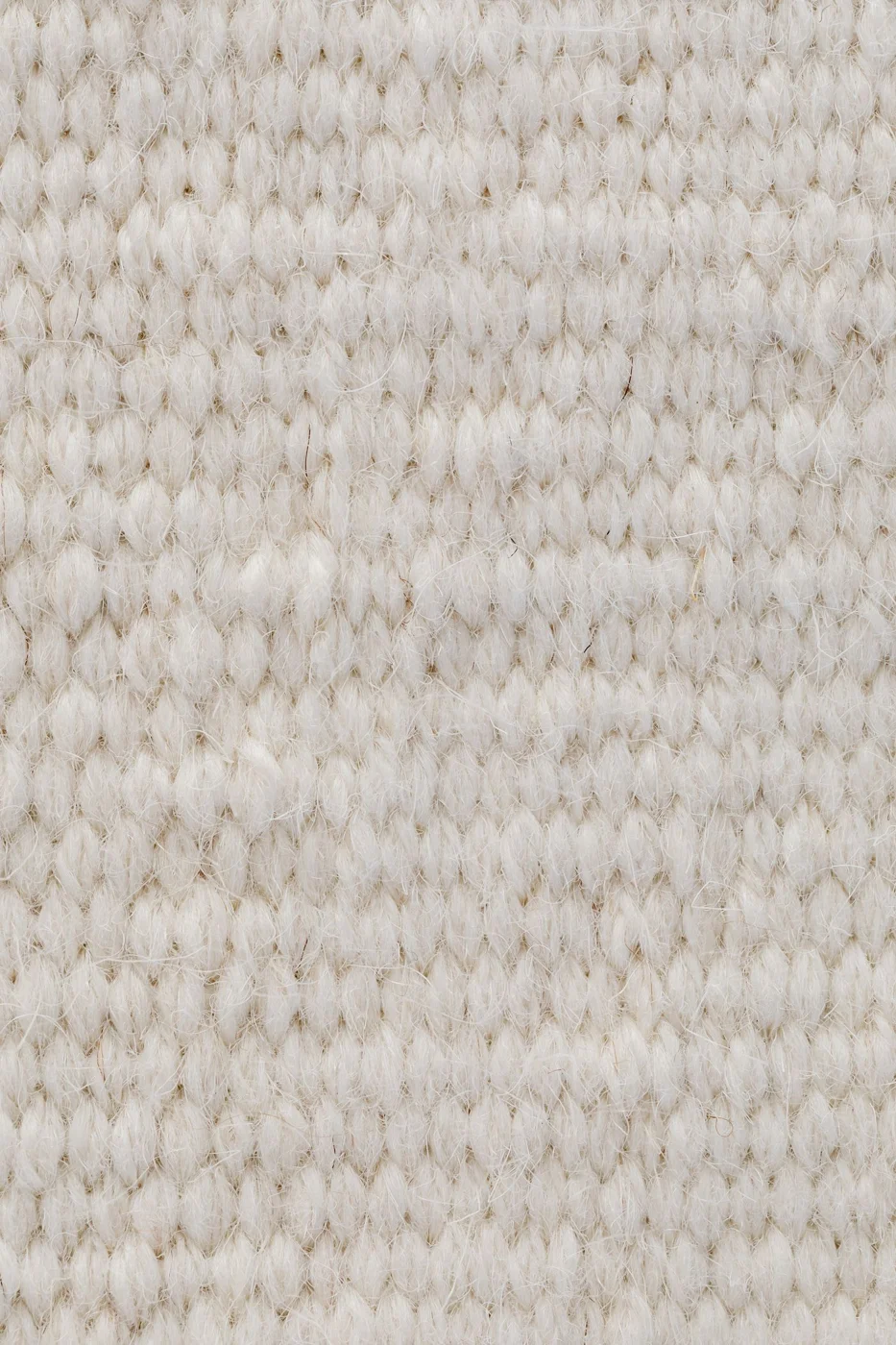
Feel the inside surface as well as the outside. A brushed face, smooth lining, or textured seam can make more immediate contact with you than the fiber featured in the product title. If the garment will be worn over another layer, try that combination.
Gently gather and release part of the fabric during a permitted inspection. Notice its drape and the way folds settle, without treating this as a laboratory test. Then try the garment in ordinary movement. Sitting and reaching reveal issues that a composition list cannot.
Check claims against specifics
Words such as easy-care, performance, and wrinkle-resistant need context. Look for actual cleaning instructions and any clearly described functional feature. A blend does not establish a waterproof rating, sun-protection rating, or tested durability on its own.
Avoid inferring environmental superiority from a single material term. A recycled-content statement, where supported, describes a particular aspect of the product rather than every stage of its life. Ask for the detail that matters to your decision instead of treating one percentage as a complete score.
Care requirements can also differ between garments made from similar blends. A lined jacket or embellished top may need a different process from a plain shirt. Read those instructions while the purchase is still reversible.
Use the label to identify what you are comparing, then let construction, fit, surface, and care decide whether the item suits you. The best blend is not a universal formula; it is the one that works in the finished garment for the use you have in mind.