 Shoes
Everyday sneakers: comparing fit beyond your usual size
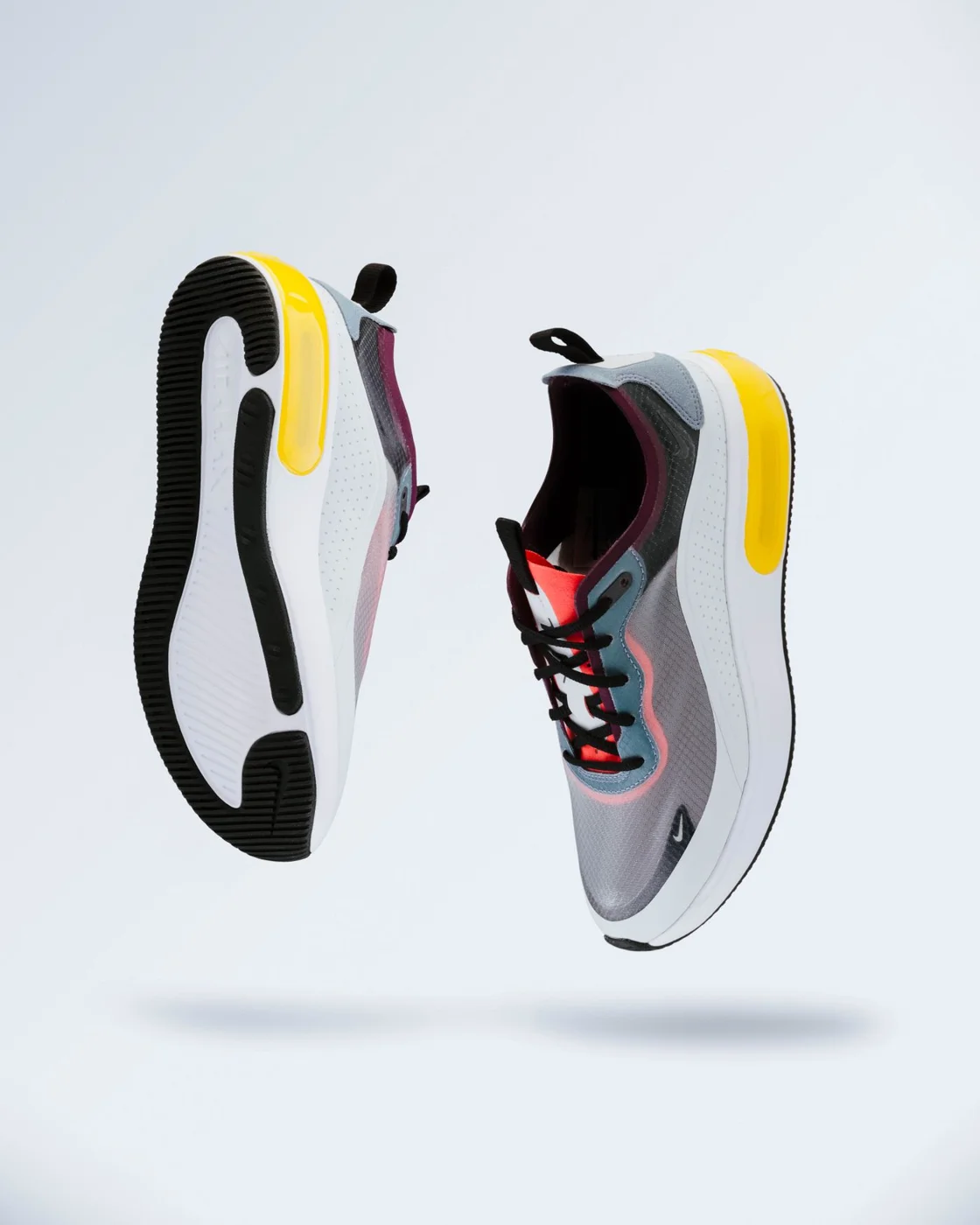
Use your usual size as a starting point, then compare the shape and volume of the actual sneaker.
The reading shelf
Room for your toes, room for your day. Compare footwear with the socks, routes, and outfits you already use.
ShoesUse your usual size as a starting point, then compare the shape and volume of the actual sneaker.
 Shoes
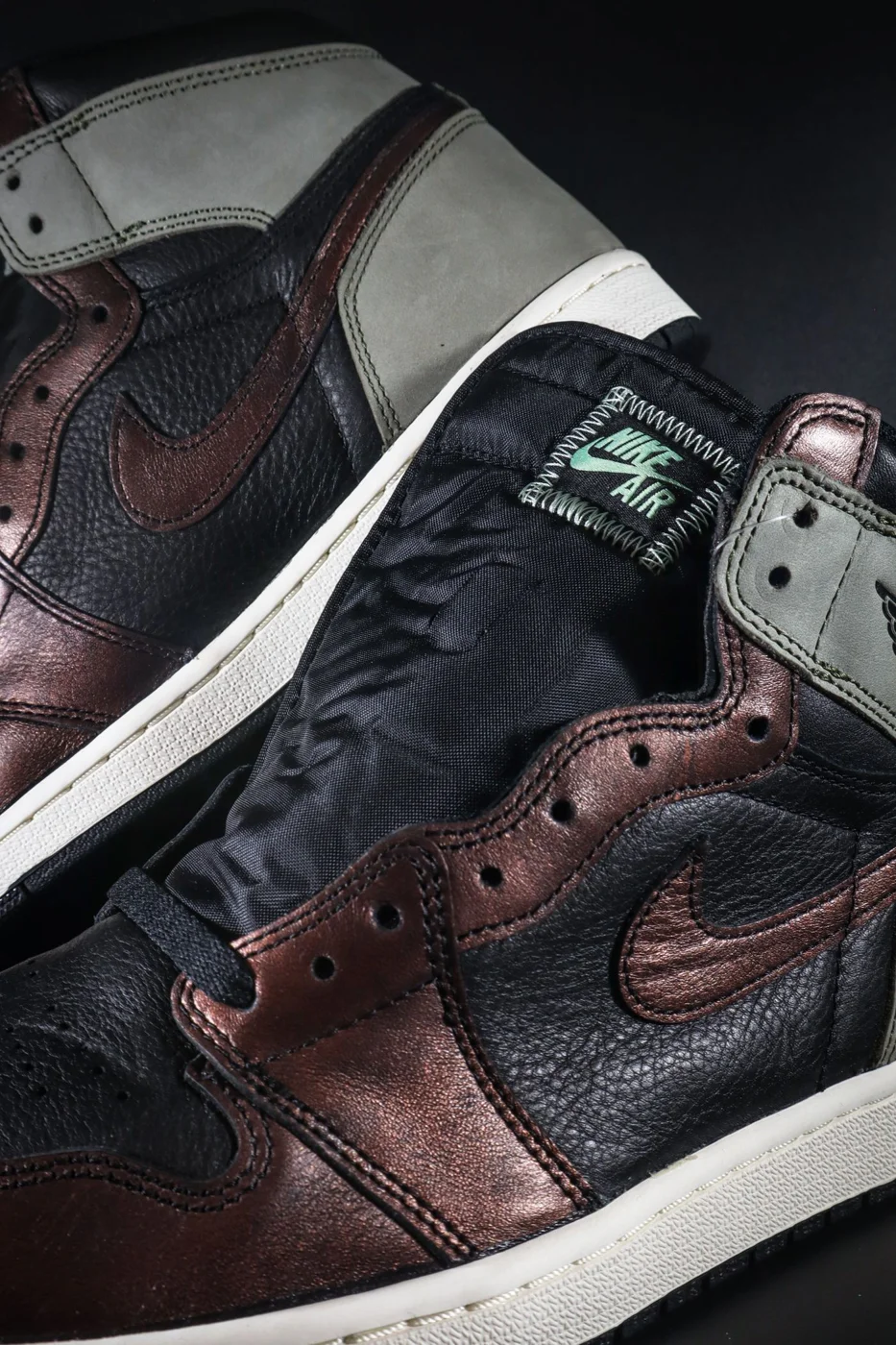
Compare the finished shoe’s coverage, cleaning needs, and fit instead of relying on the upper material alone.
 Shoes
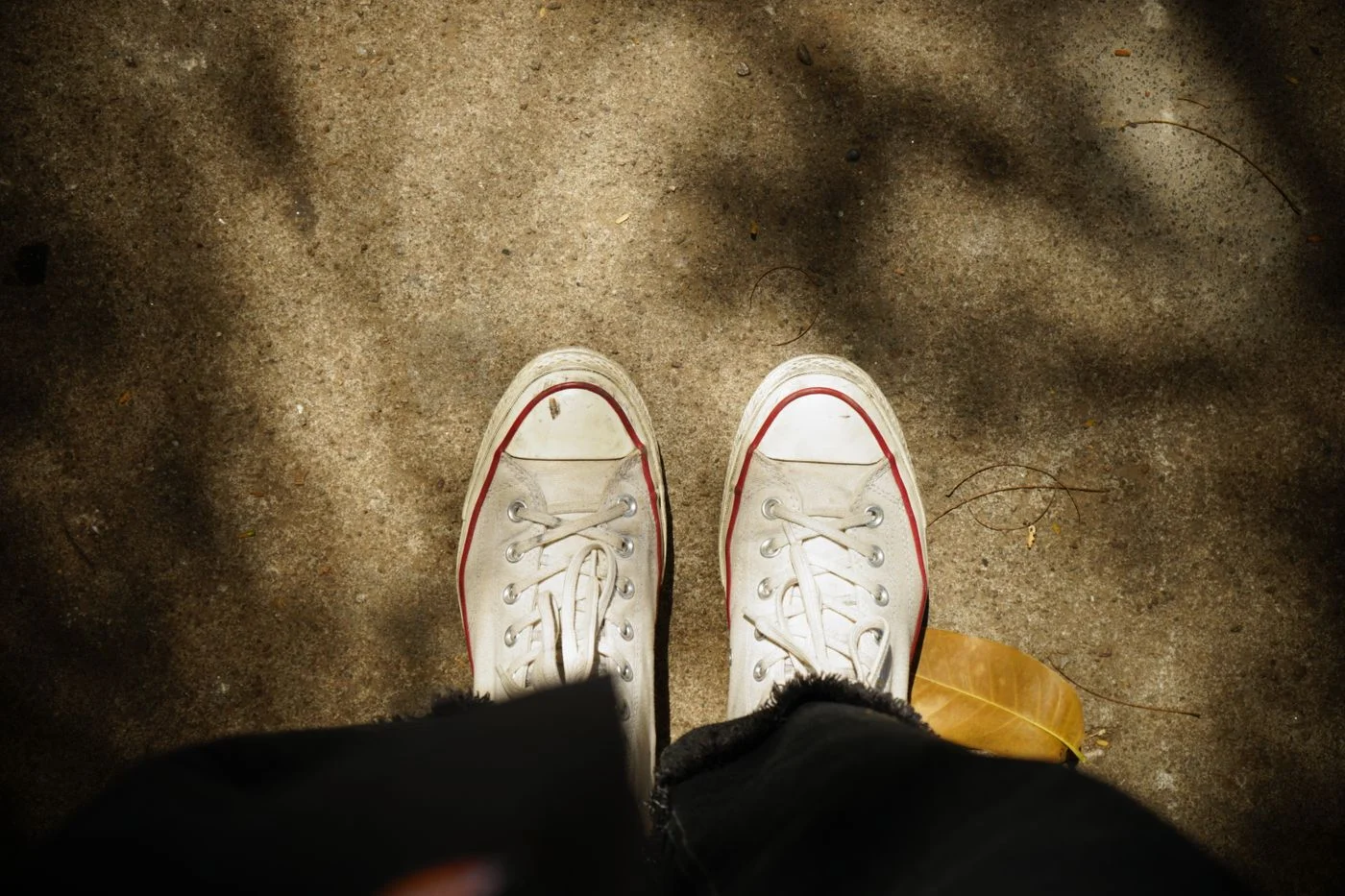
A white sneaker purchase includes the cleaning routine needed for its particular materials.
 Shoes
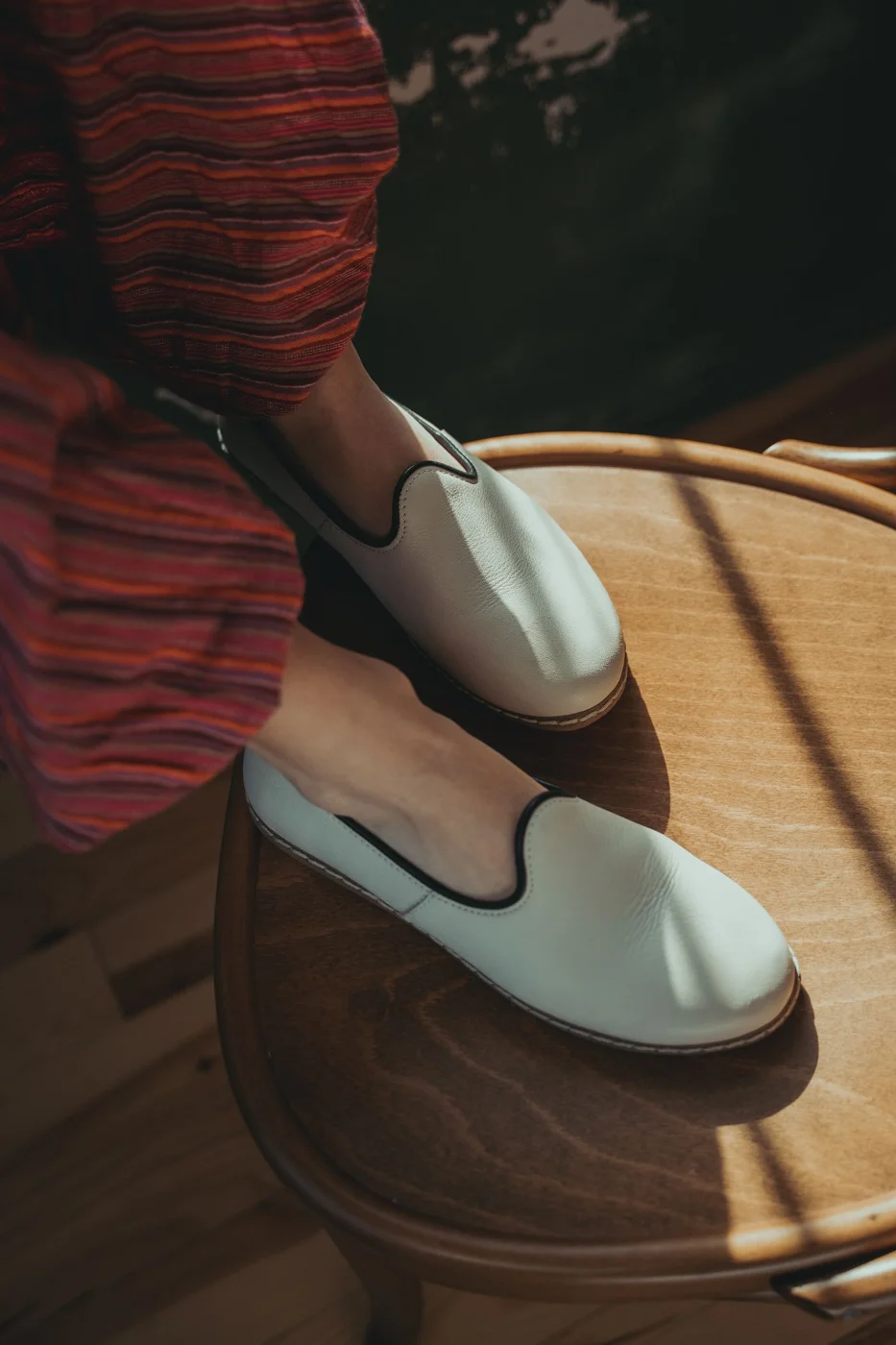
A slip-on should stay with your foot through ordinary walking without painful pressure across the top.
 Shoes
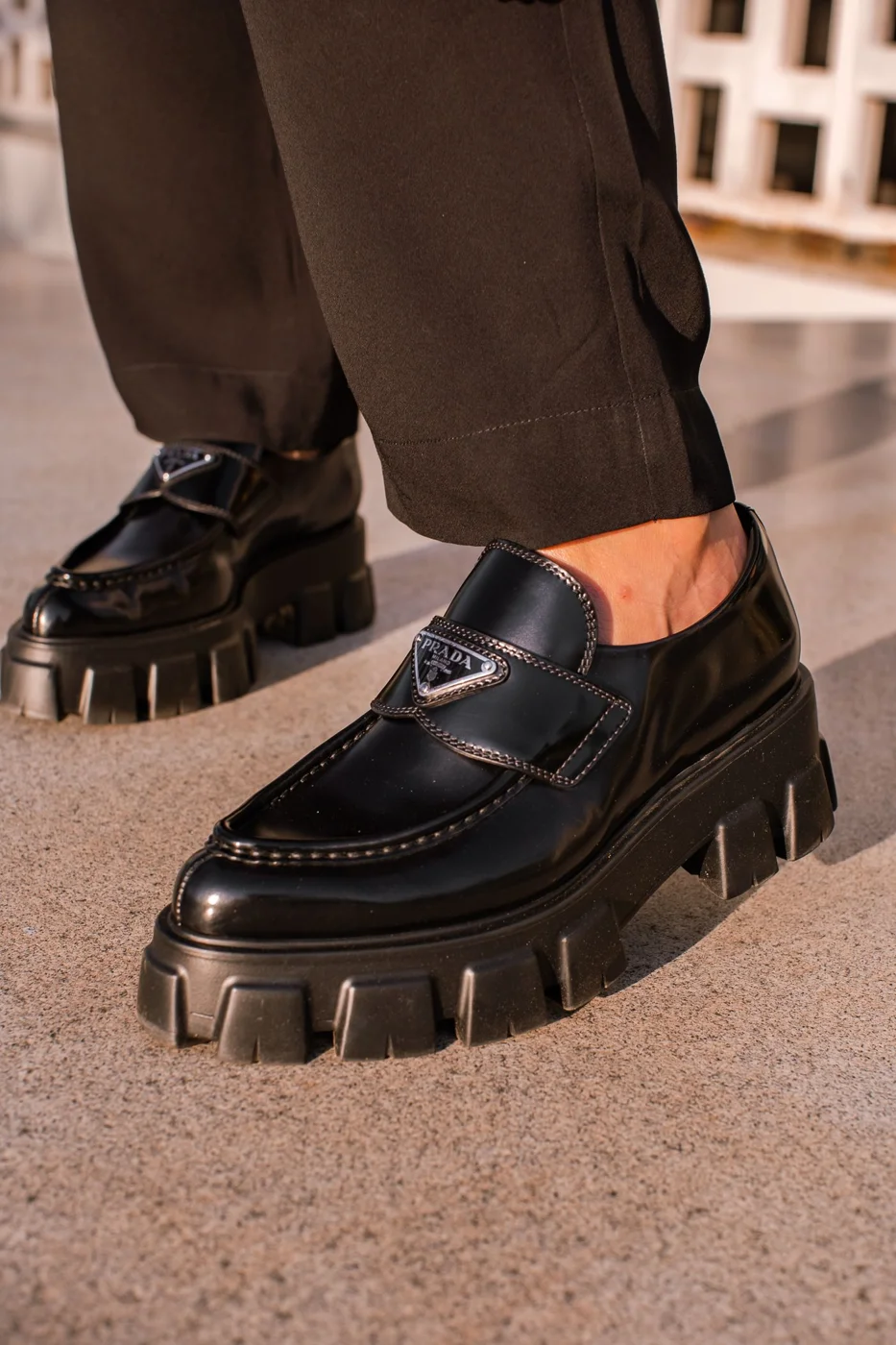
Distinguish minor movement from a loafer that needs you to change your stride to keep it on.
 Shoes
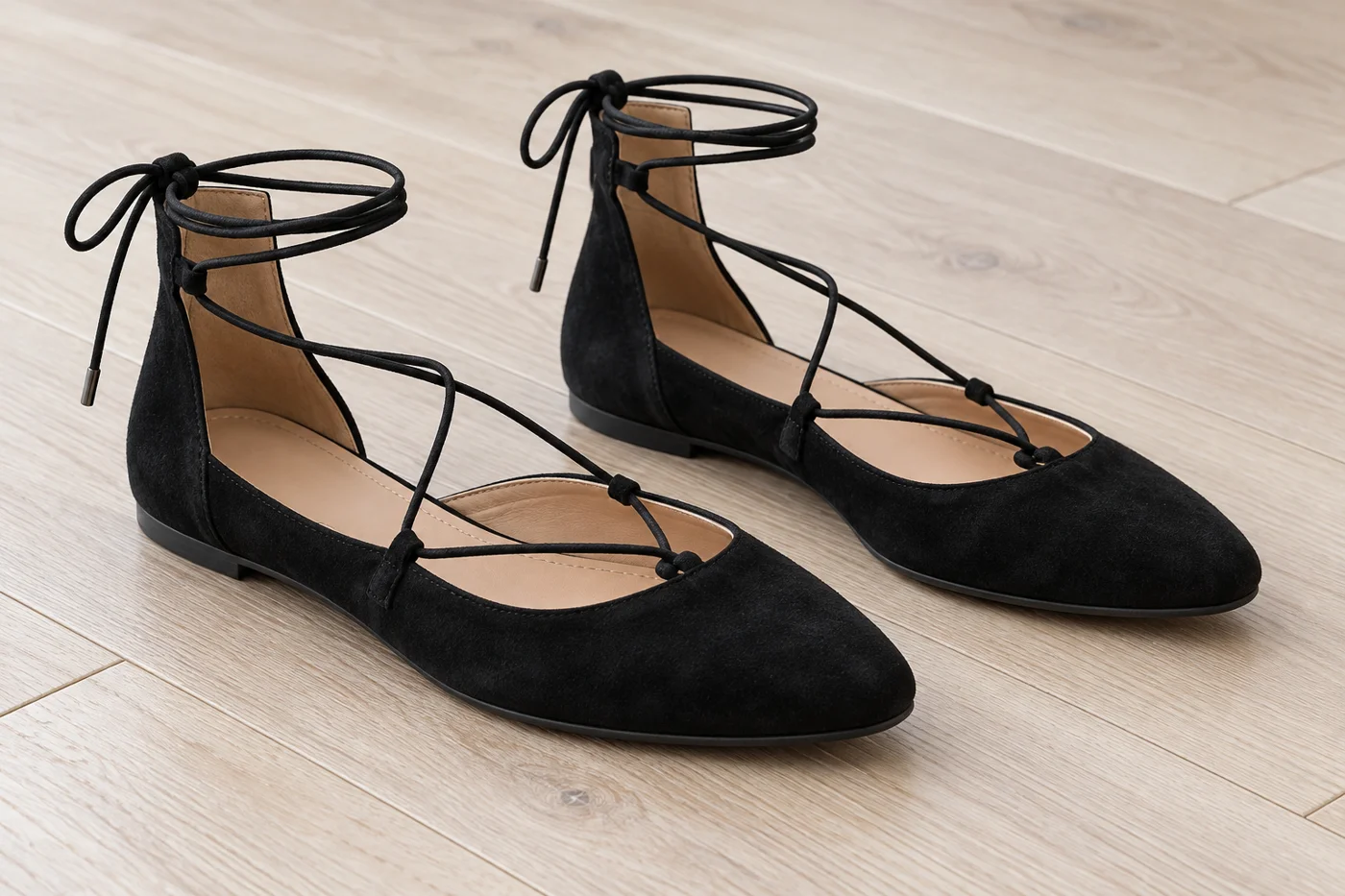
Laces provide adjustment only when the rest of the flat has suitable shape and room.
 Shoes
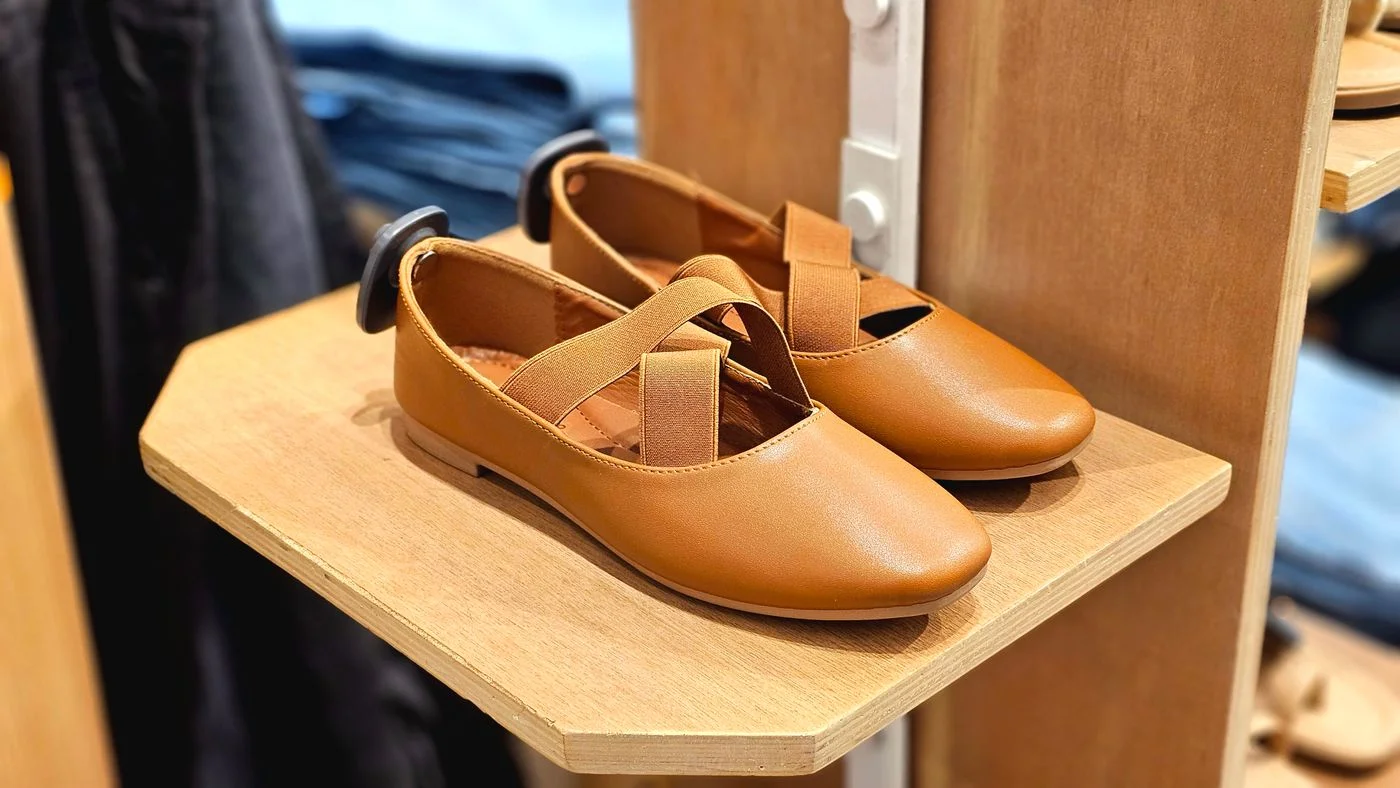
A ballet flat needs comfortable toe space and a sole that works with your stride, not simply a soft feel.
 Shoes
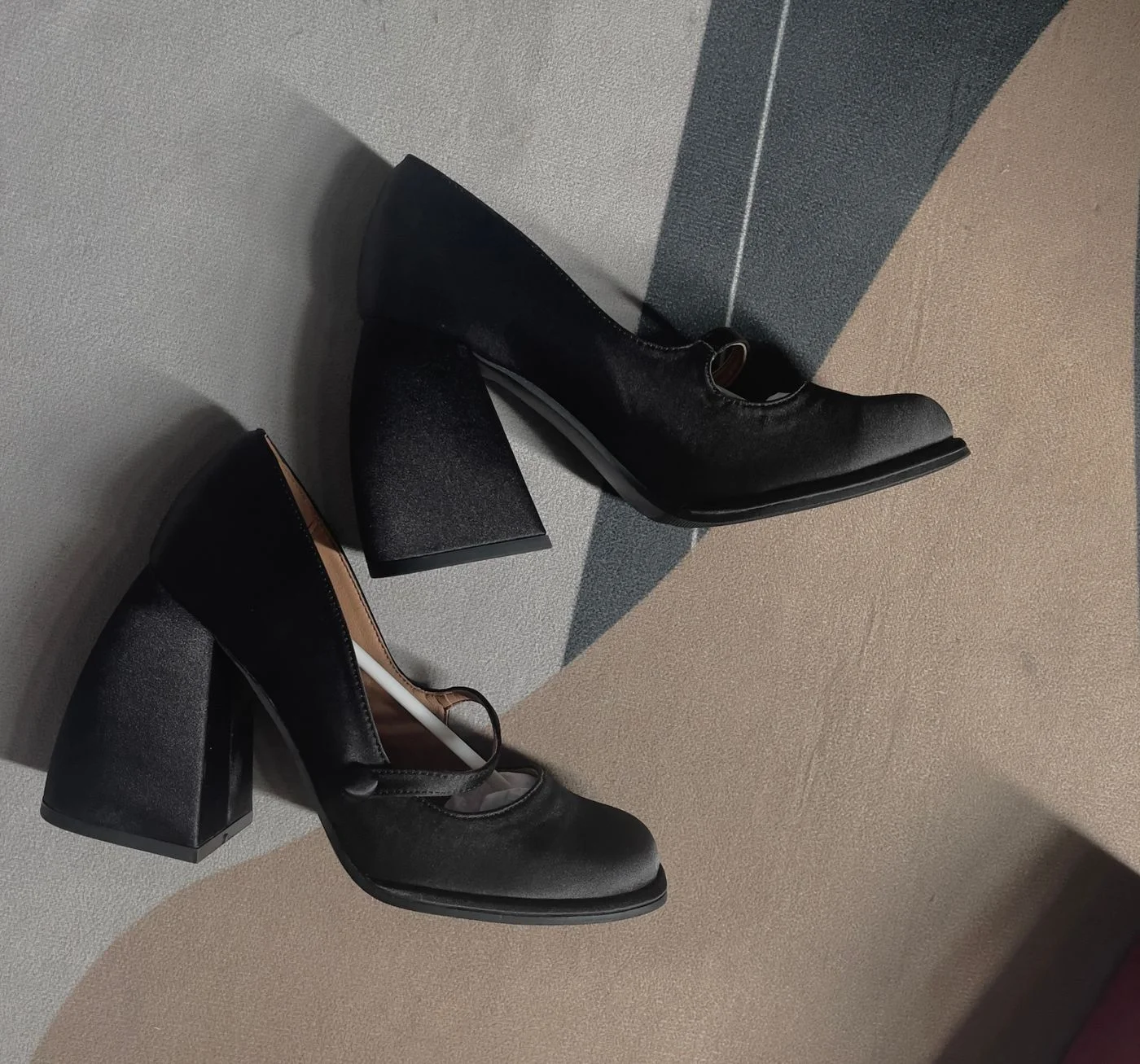
The strap should improve security without creating a new pressure point.
 Shoes
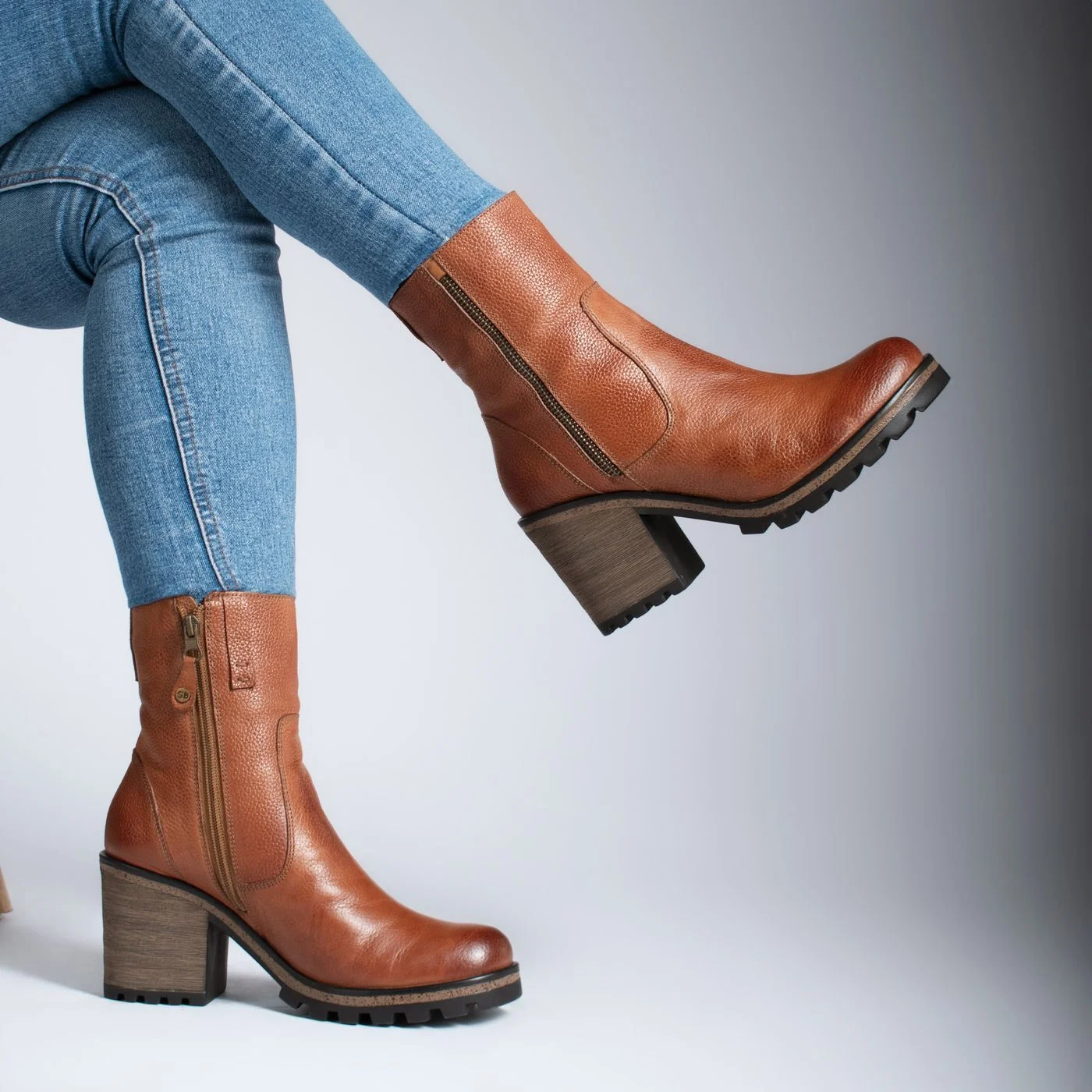
Compare the boot shaft and trouser opening together before changing either piece.
 Shoes
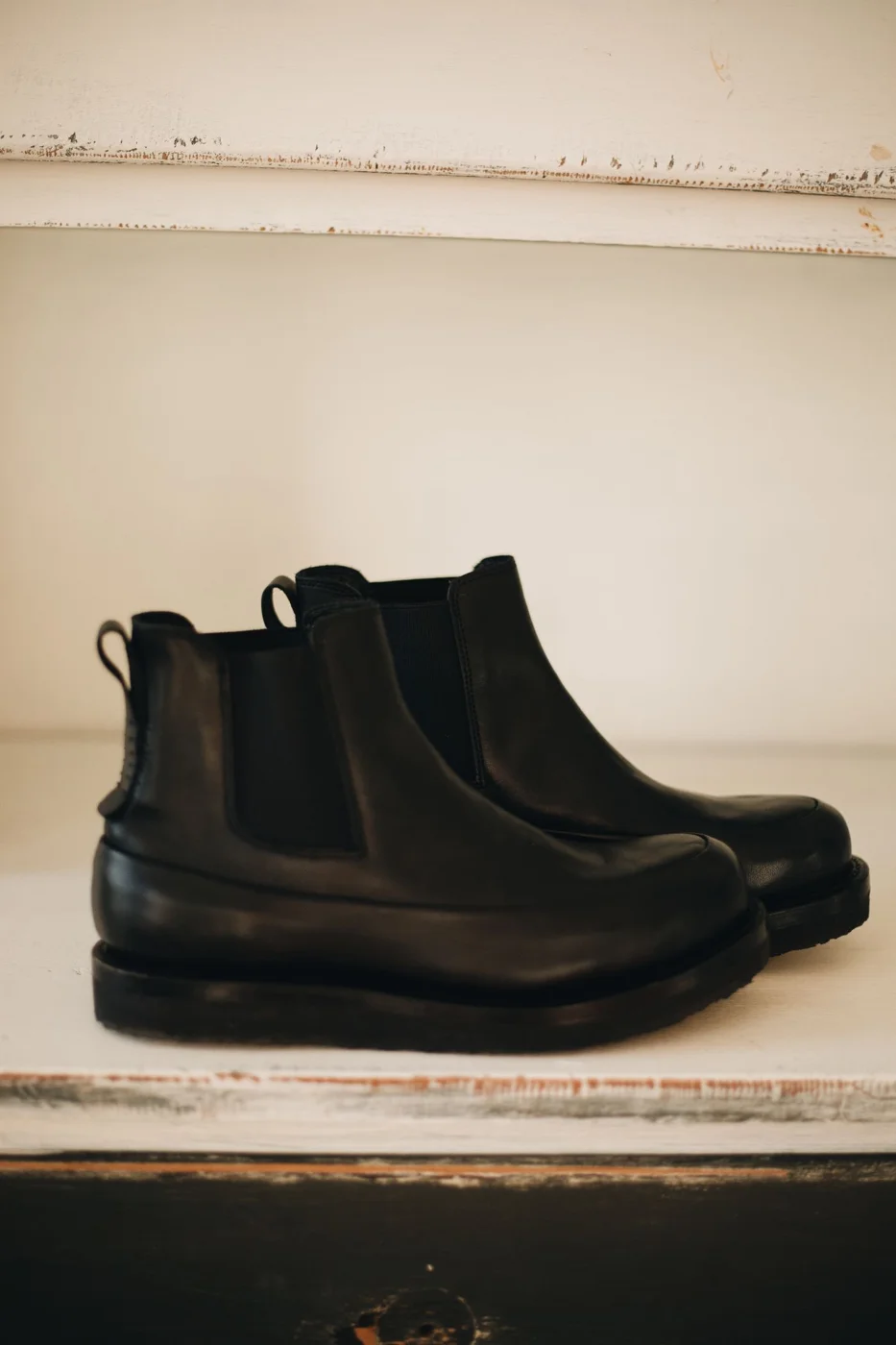
Getting a Chelsea boot on and finding the right fit once inside are two separate checks.
 Shoes
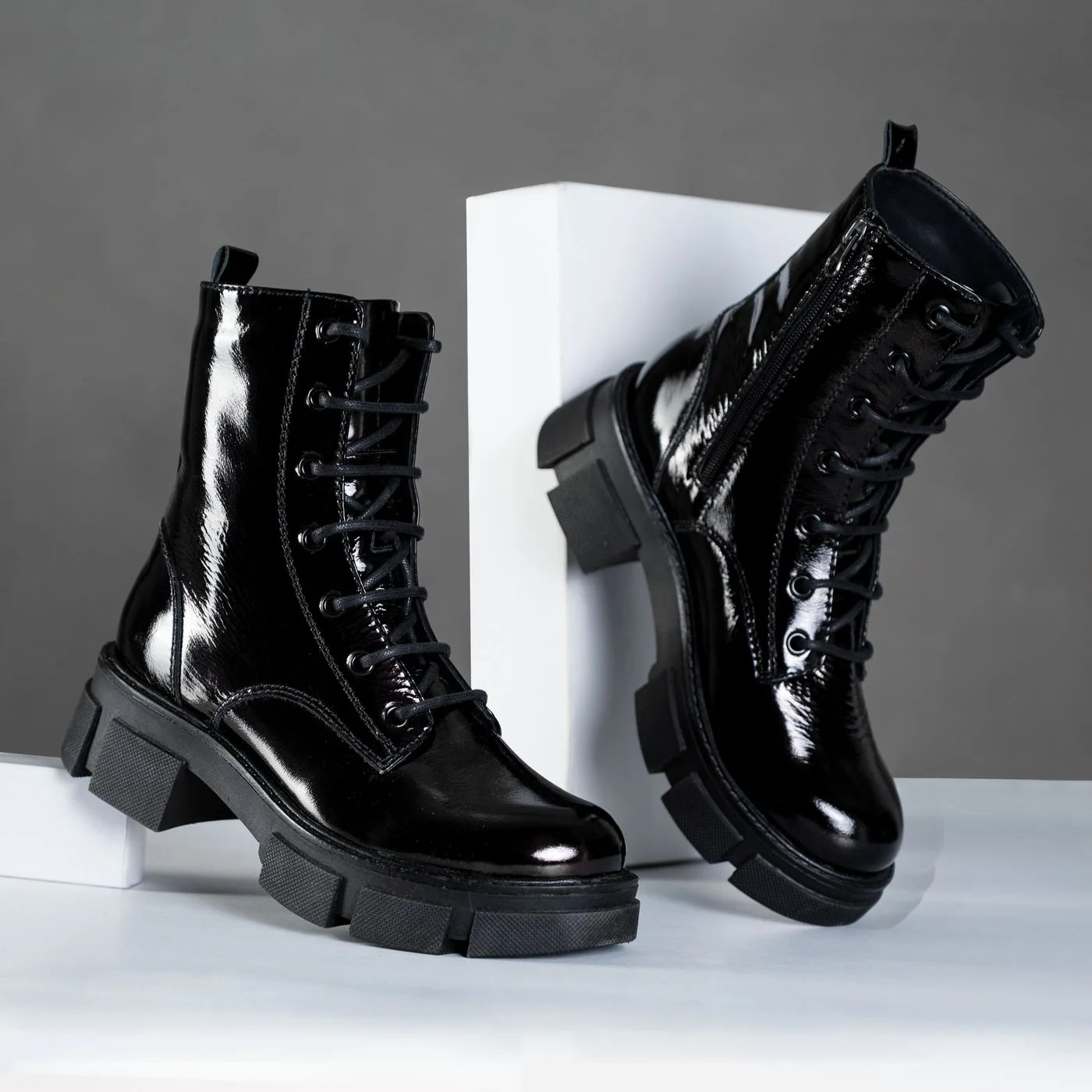
Use laces to refine volume while keeping the boot’s underlying shape suitable for your foot.
 Shoes
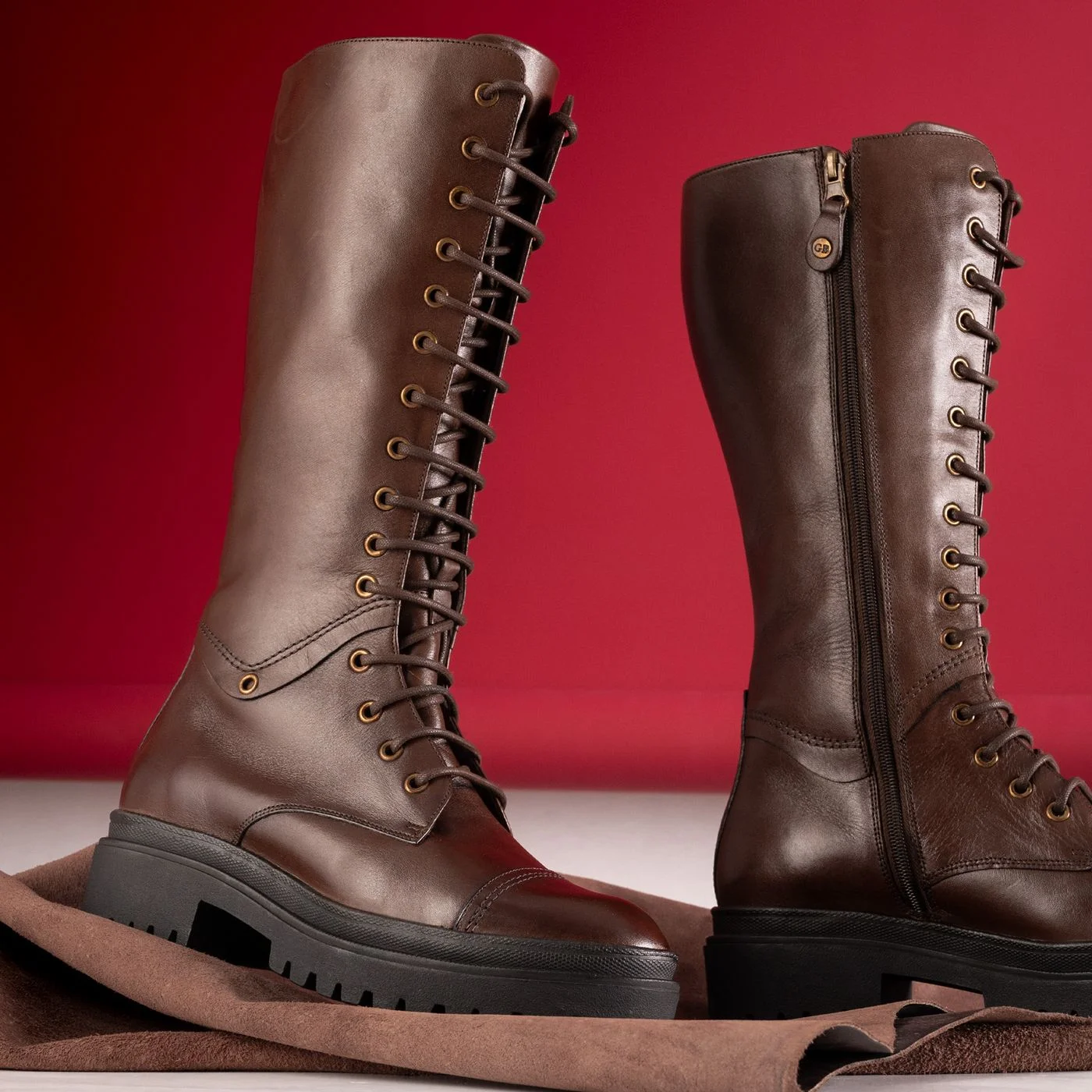
Measure the leg and read the boot’s measurement method before relying on a wide-calf label.