 Materials & care
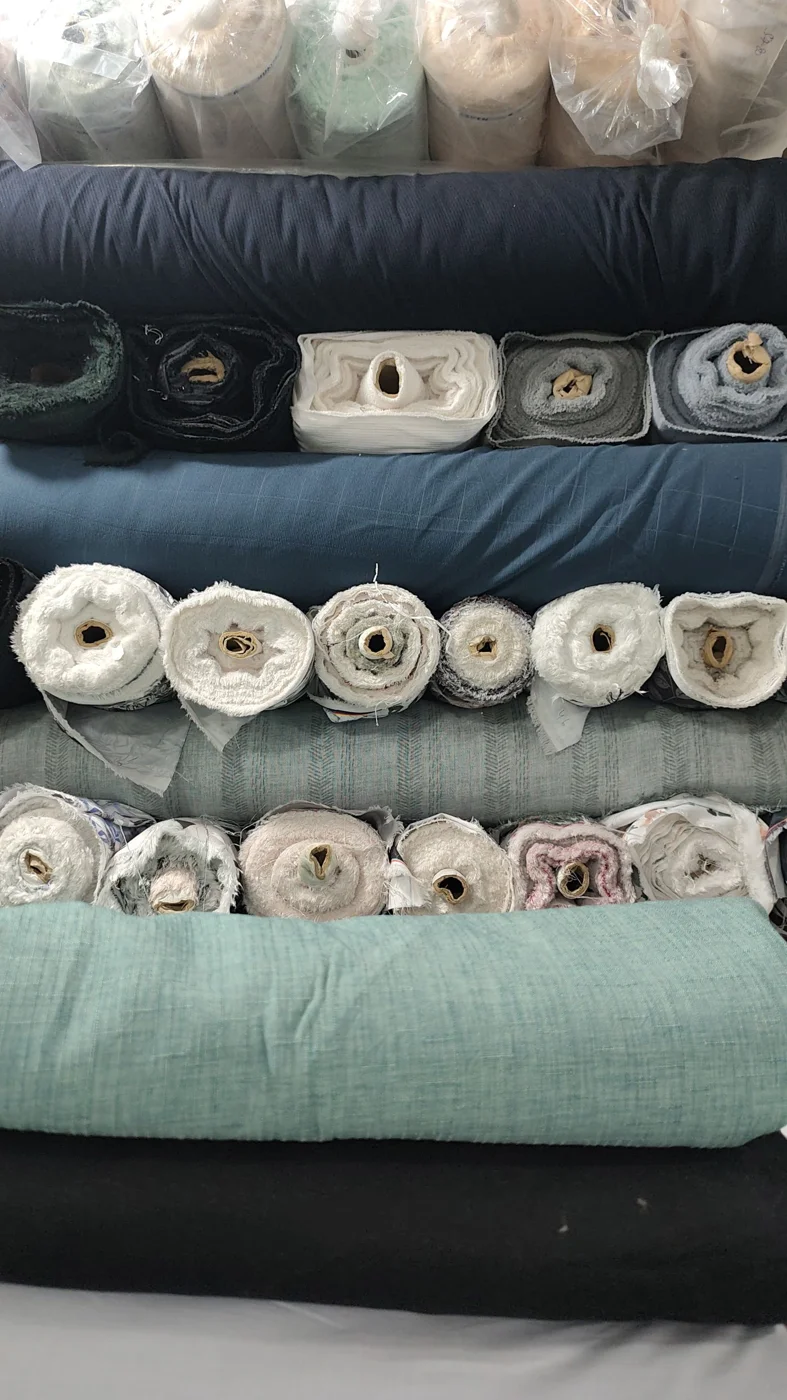
Polyester blends: looking beyond a fiber percentage
A blend percentage is a clue about composition, not a complete forecast of comfort, durability, or care.
The reading shelf
Find a guide for the garment, detail, or shopping decision in front of you.
Materials & careA blend percentage is a clue about composition, not a complete forecast of comfort, durability, or care.
 Materials & care
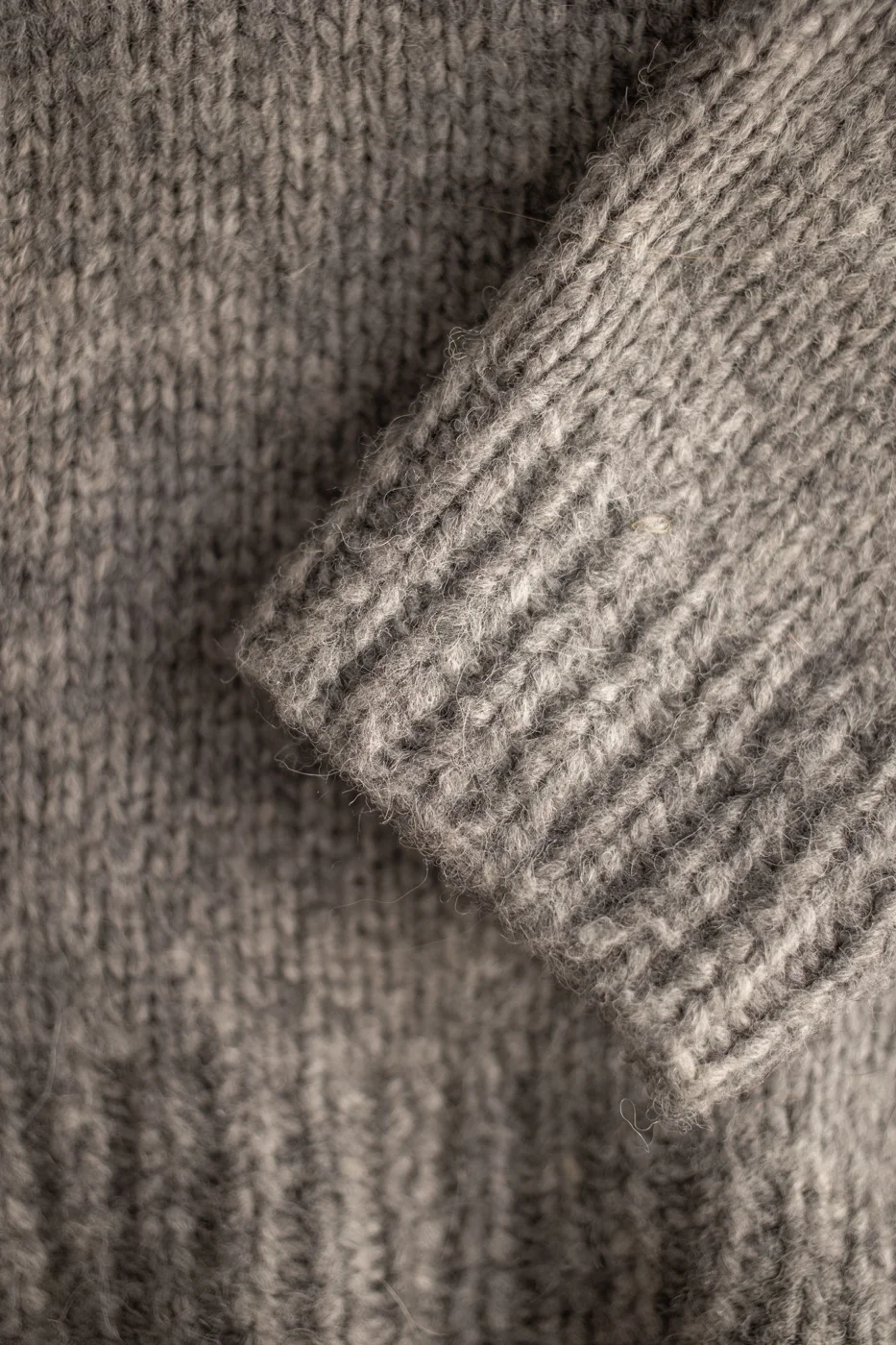
Compare the actual knit, seams, and contact surfaces instead of equating a thick sweater with a better one.
 Materials & care
Softness is a wearing preference. Fiber information, construction, seller transparency, and care make a more complete comparison.
 Materials & care
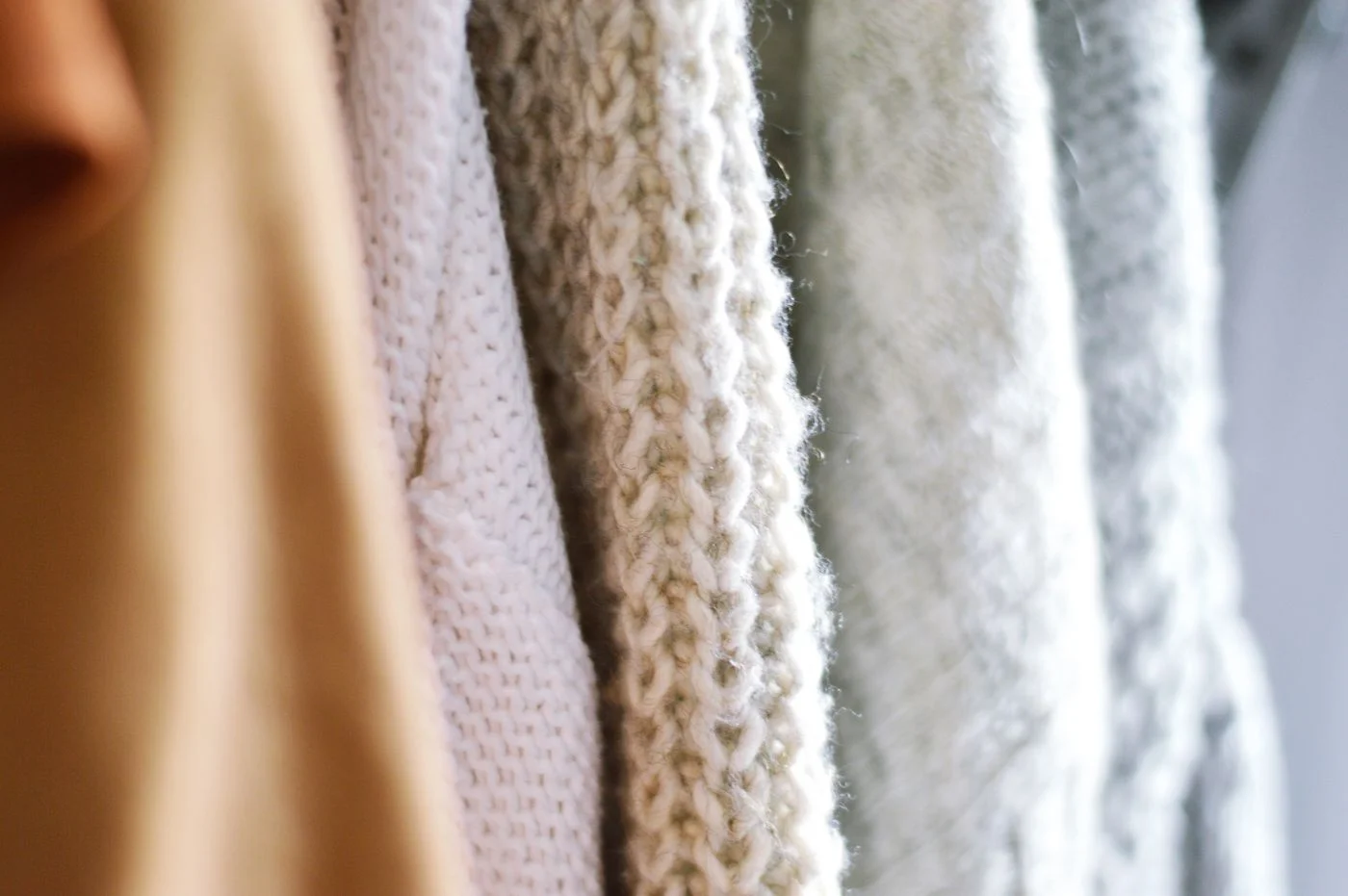
Merino layers are easiest to live with when their stated washing and drying routine fits your week.
 Materials & care
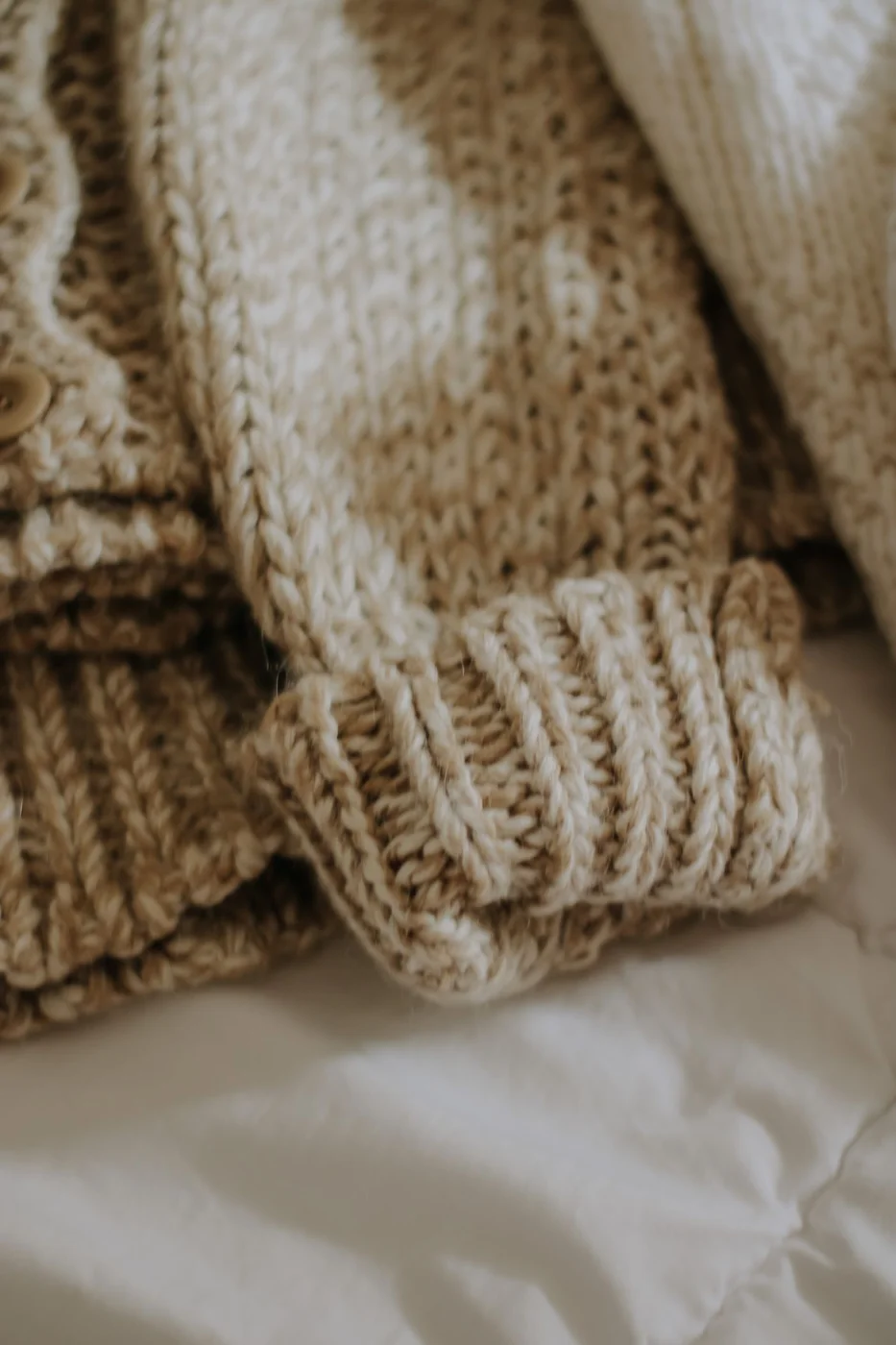
Assess an acrylic sweater's knit and surface in context instead of using the fiber name as a shortcut for quality.
 Materials & care
A fabric can stretch easily yet fail to return to the shape you want. Evaluate both behaviors in the garment.
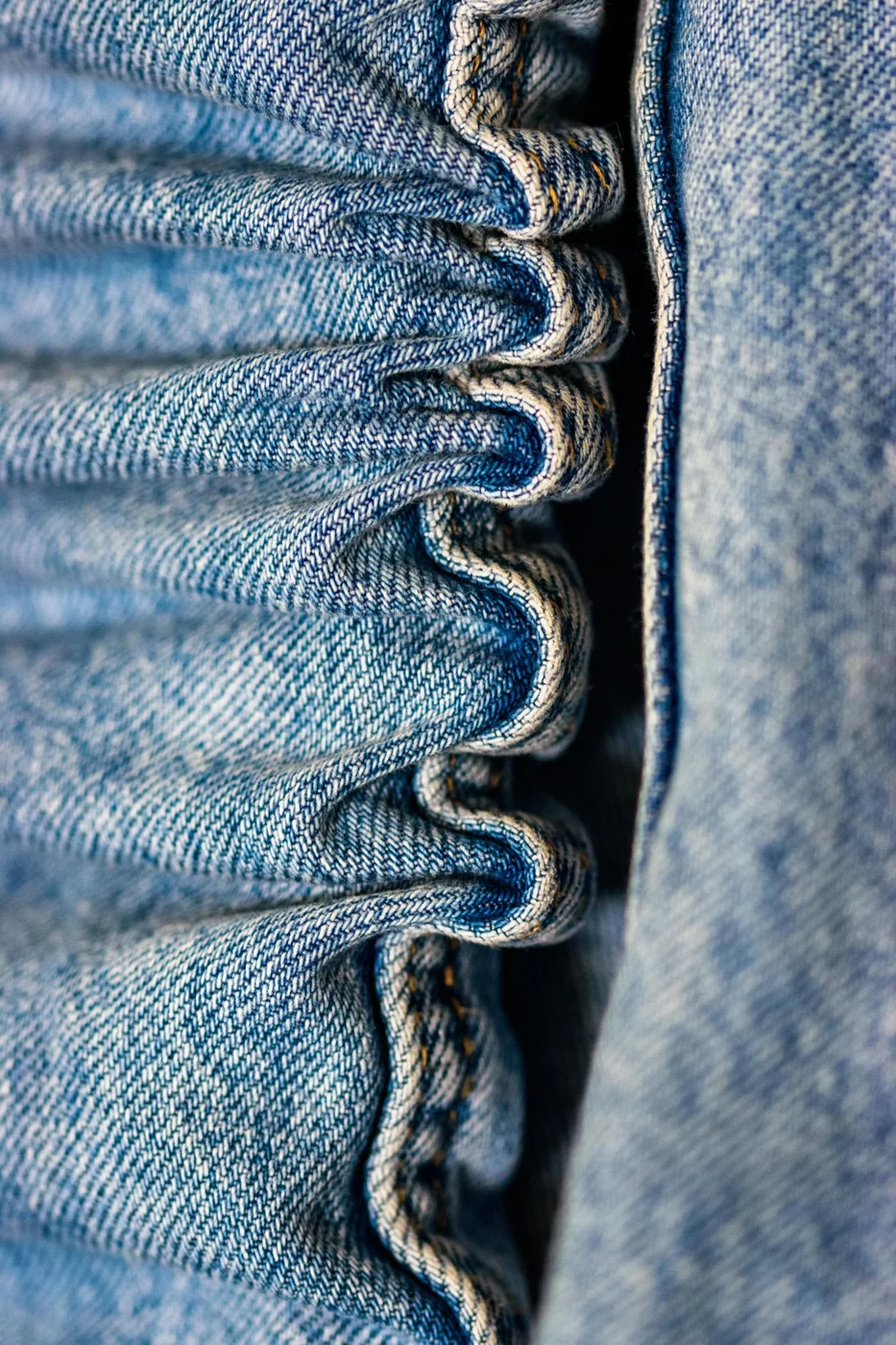 Materials & care
Denim weight helps describe the cloth, but cut, finishing, and stretch determine how the jeans behave on you.
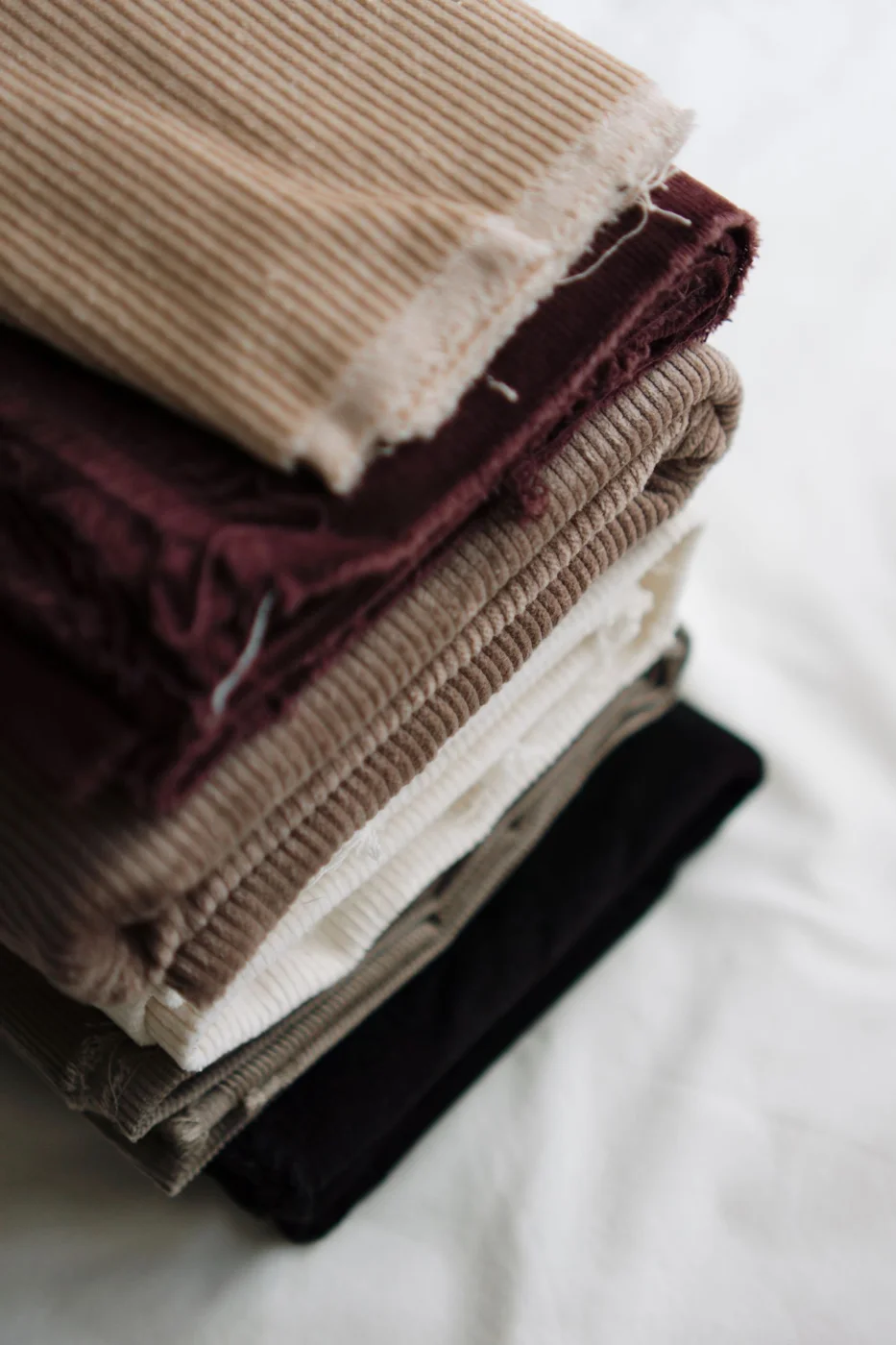 Materials & care
Corduroy's rib width changes its appearance, while fit and contact points influence where wear becomes visible.
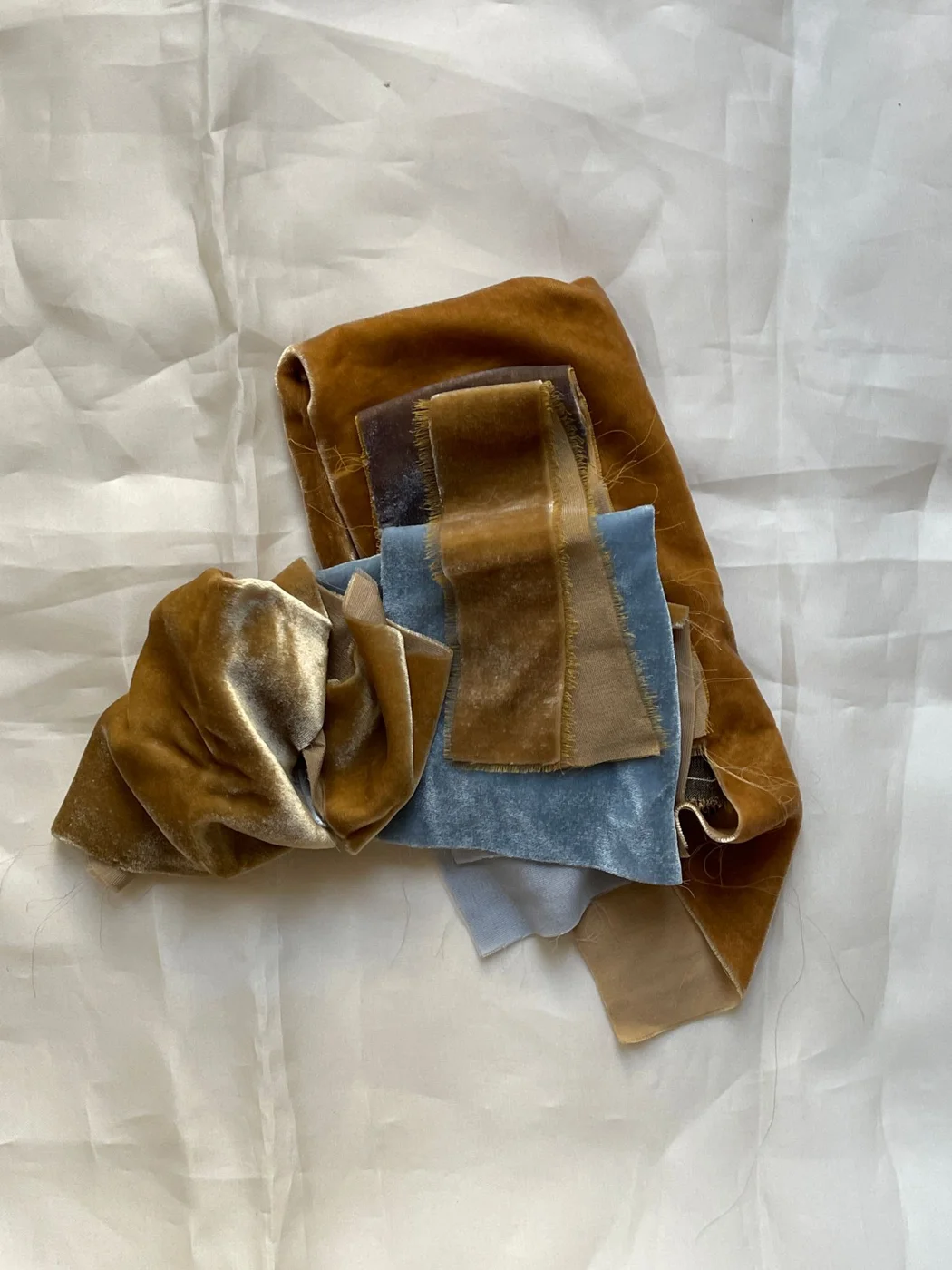 Materials & care
Velvet's raised surface can change appearance when pressed or brushed, so storage and everyday contact deserve attention.
 Materials & care
A satin description identifies a smooth woven surface; check the separate fiber label to learn what the garment contains.
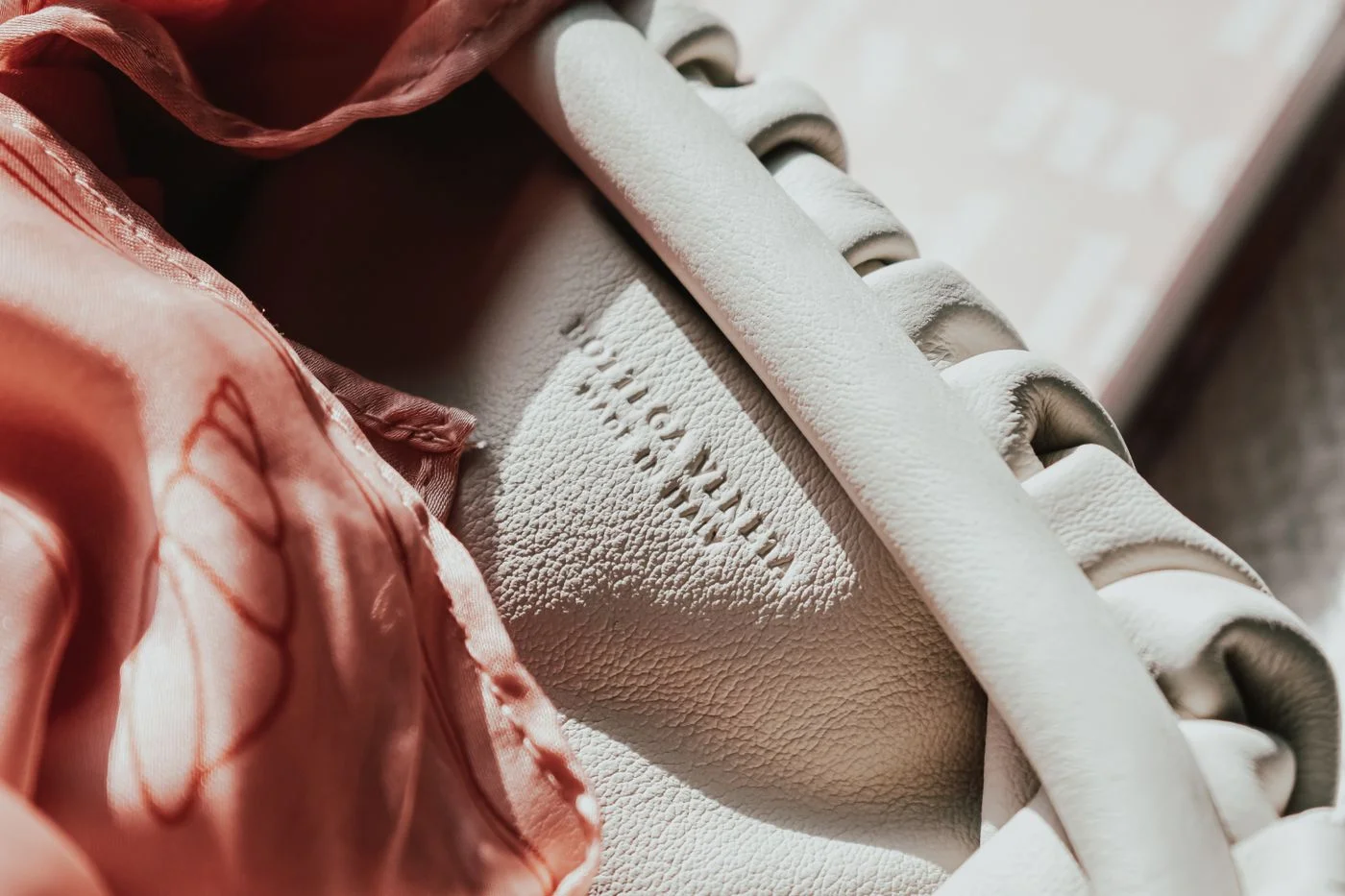 Materials & care
Inspect the parts of a leather bag that bend, carry weight, and rub against other surfaces.
 Materials & care
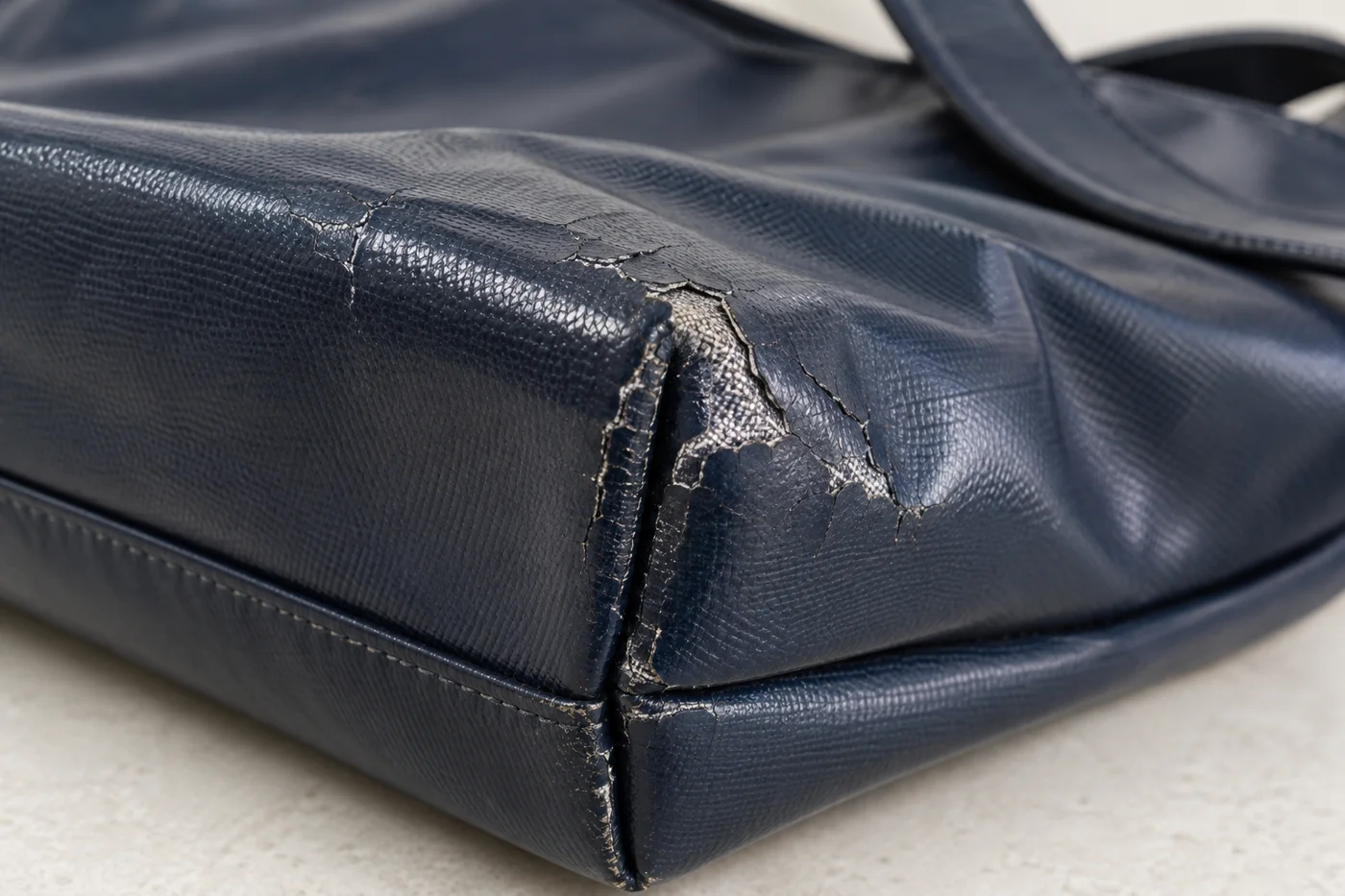
Distinguish surface dirt from peeling or cracking before buying, cleaning, or attempting a repair.