A leather bag's broad front panel attracts attention, but the corners, strap attachments, and seams do much of the work. Inspect those areas before deciding that a smooth finish or a familiar label establishes quality. A careful look can identify visible problems without pretending to predict the bag's entire lifespan.
Begin with the bag empty and open. Follow the seams around the base and handle attachments. Look for obviously missed stitches, loose ends that appear to be unraveling, or a seam already pulling apart. Small cosmetic variation is different from a structural opening.
Examine the places that bend
Gently move the flap and handles through their ordinary range. Watch the edge finish at folds and near hardware. Paint or a coating should not already be lifting into separate flakes on a new item. Do not sharply crease the leather as a toughness test.
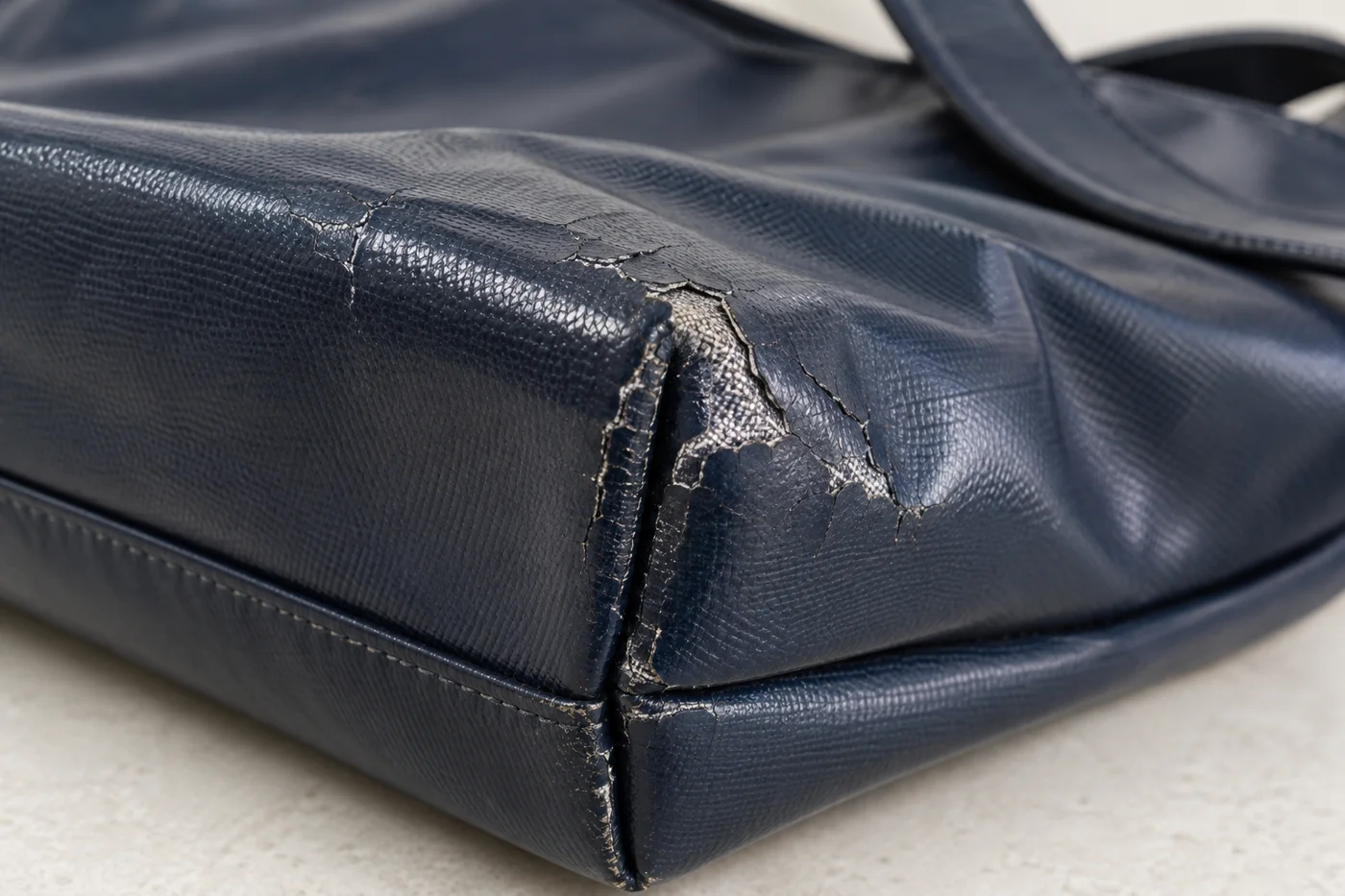
Look at the corners and underside. These areas may show wear first on a secondhand bag, so ask for clear close-up photographs if they are missing from a listing. A photograph of the front alone cannot describe overall condition.
Color and grain can vary intentionally. Ask the seller about a finish you do not understand rather than judging authenticity through a home scratch, water-drop, or smell test. Those methods can damage an item and do not provide a reliable complete assessment.
Add a normal load
Use clean everyday objects during a permitted indoor trial. Check how the straps and base behave, and whether the closure still meets comfortably. An attractive empty shape may collapse or tilt when packed, which matters if you expect it to stand on a desk.
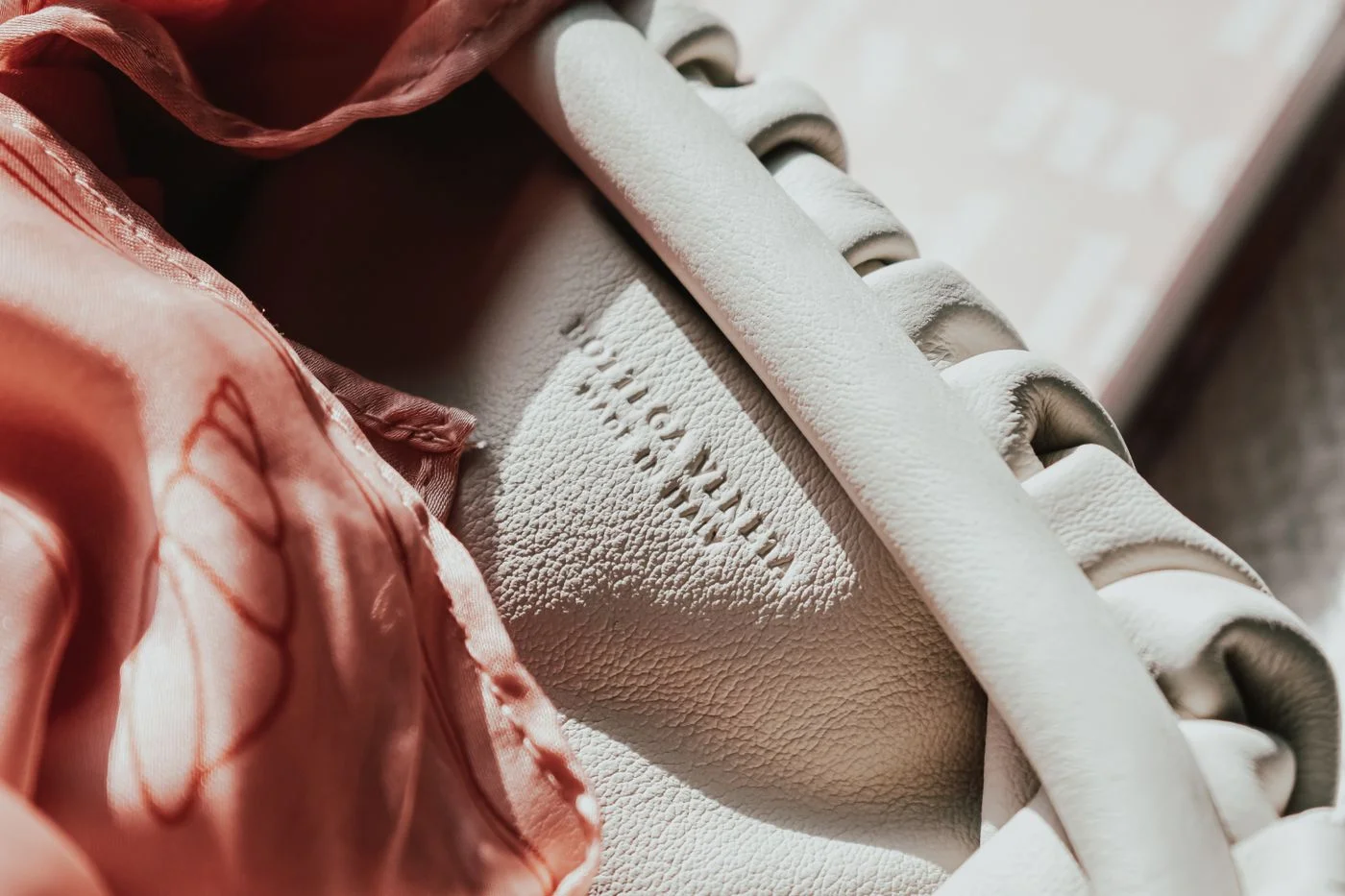
Inspect the lining and pockets at the same time. A rough inner seam or protruding hardware can affect belongings even when the exterior looks excellent. Open each zipper slowly and check that the lining stays clear.
Care needs depend on the actual finish. Do not apply a general leather conditioner to every surface, especially suede, coated, metallic, or specialty finishes. Follow the maker's guidance and ask before treating an unfamiliar material.
The useful inspection is ordinary and gentle: look, open, close, pack, and carry. Keep the bag that works cleanly through those actions. A decorative finish is worth enjoying, but it should sit on construction that is already sound when the bag reaches you.