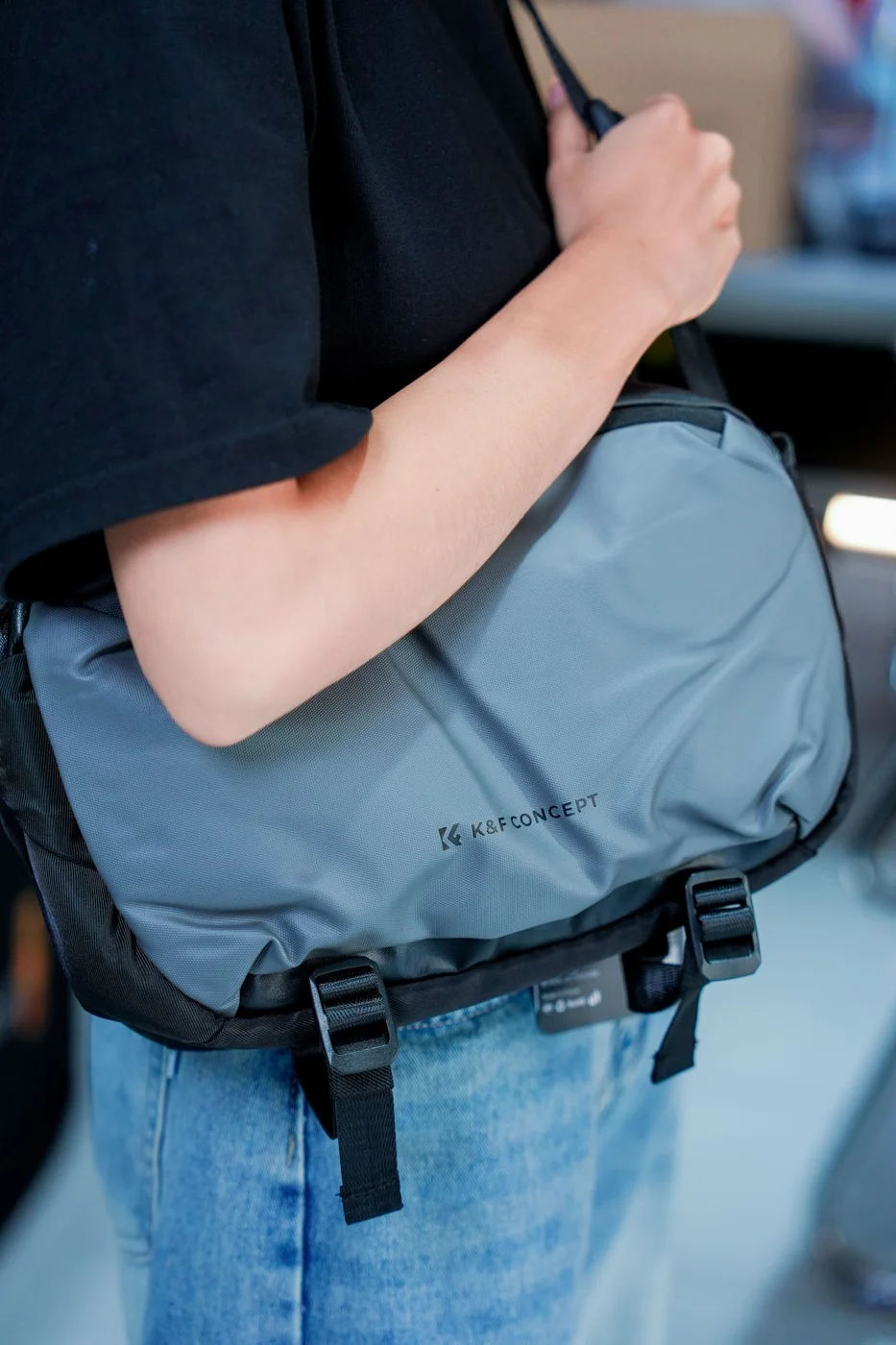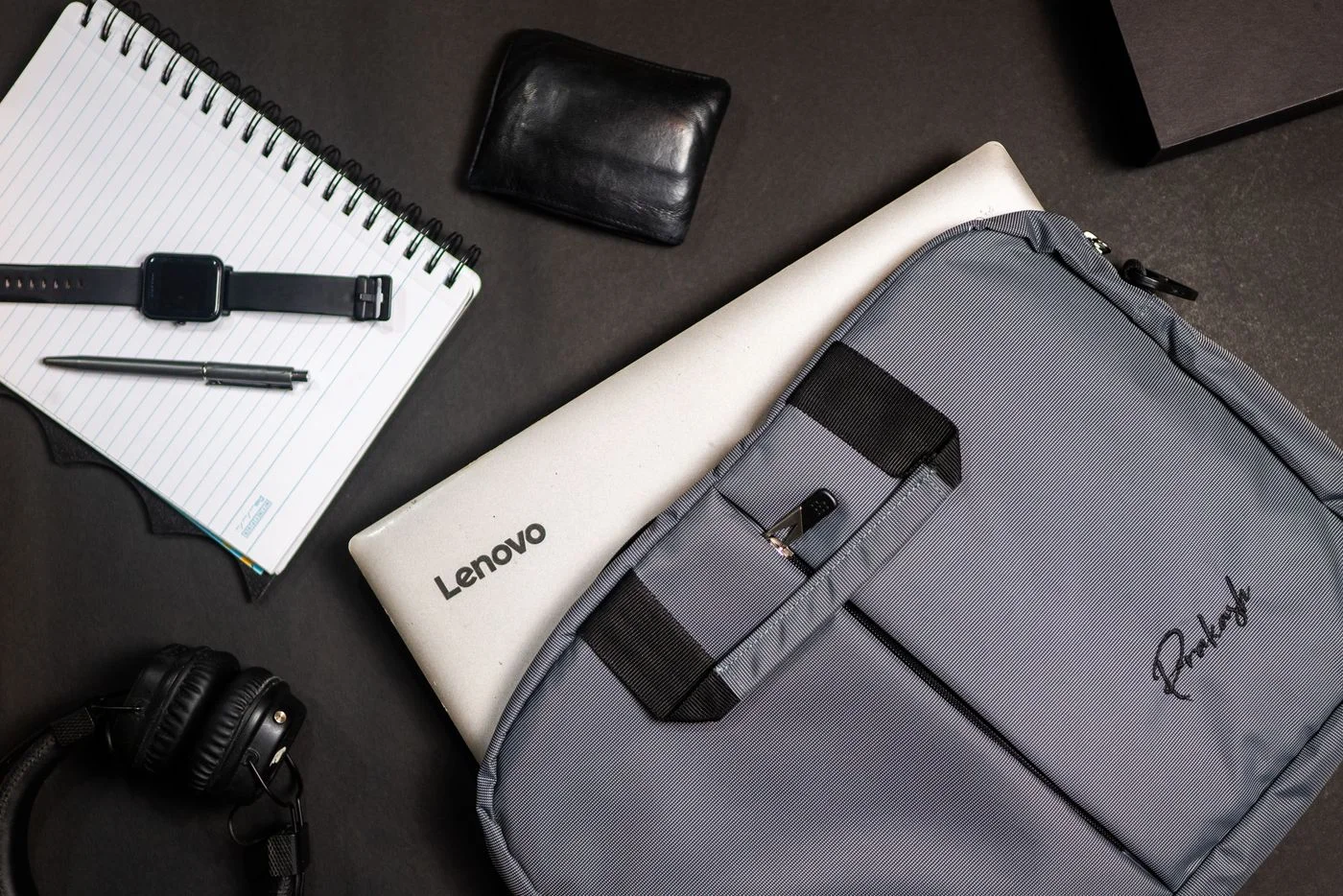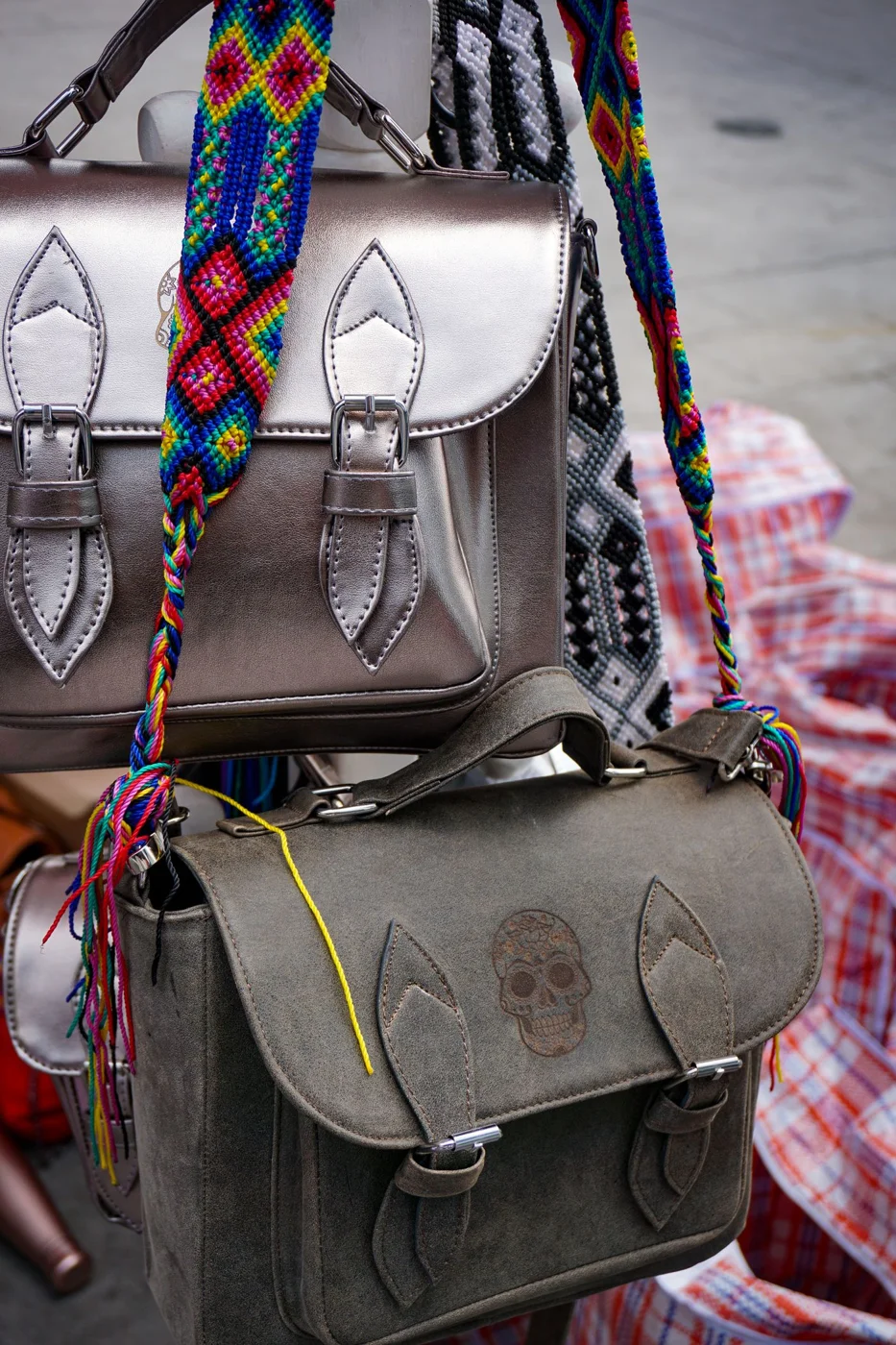
An empty weekend bag is part of the load, even though it does not count as anything you can wear. Thick leather, heavy hardware, a rigid base, and elaborate pockets can make a beautiful bag substantial before you pack a shirt. That may be an acceptable tradeoff, but compare it deliberately.
Look for an empty-weight specification and confirm which size it describes. Product families sometimes place several sizes on one page. A shoulder strap or detachable pouch may be included in the quoted weight or listed separately. If the figure is missing and weight matters, ask the retailer instead of guessing from the photographs.
Compare complete loads
Imagine two bags: one weighs two pounds and another four pounds. With the same eight pounds of contents, the carried totals are ten and twelve pounds. This hypothetical comparison is simple, but it makes the difference more meaningful than calling one bag lightweight.
Use your usual weekend packing list rather than filling every available pocket. Shoes, toiletries, and electronics can dominate the weight. A roomy bag may tempt you to add items you would leave behind in a smaller one. Capacity is an option, not an instruction to fill it.
Try the handles and shoulder strap with a representative indoor load. Check whether the handles meet comfortably and whether the shoulder pad stays in position. A wide strap helps only if it remains flat rather than twisting along its edge.
Softness and structure serve different jobs
A flexible bag can fit into irregular storage spaces, while a structured base can help keep clothing arranged. Neither is automatically better. If the bag must sit neatly in a car trunk, structure may be welcome. If you carry it through several stations, the extra mass may matter more.
For air travel, check the current airline's size and weight rules for the particular ticket. Measure the fully packed exterior, including protruding pockets and handles where the airline requires them. A bag marketed as a weekender is not a universal carry-on size.
Finally, consider how you will store it between trips. A rigid bag needs more closet space; a foldable one should be emptied and stored according to its care instructions. Buy the combination of capacity, structure, and carrying comfort that suits your trips. A slightly plainer bag can be the more useful purchase when it leaves more of your comfortable carrying load available for the things inside.