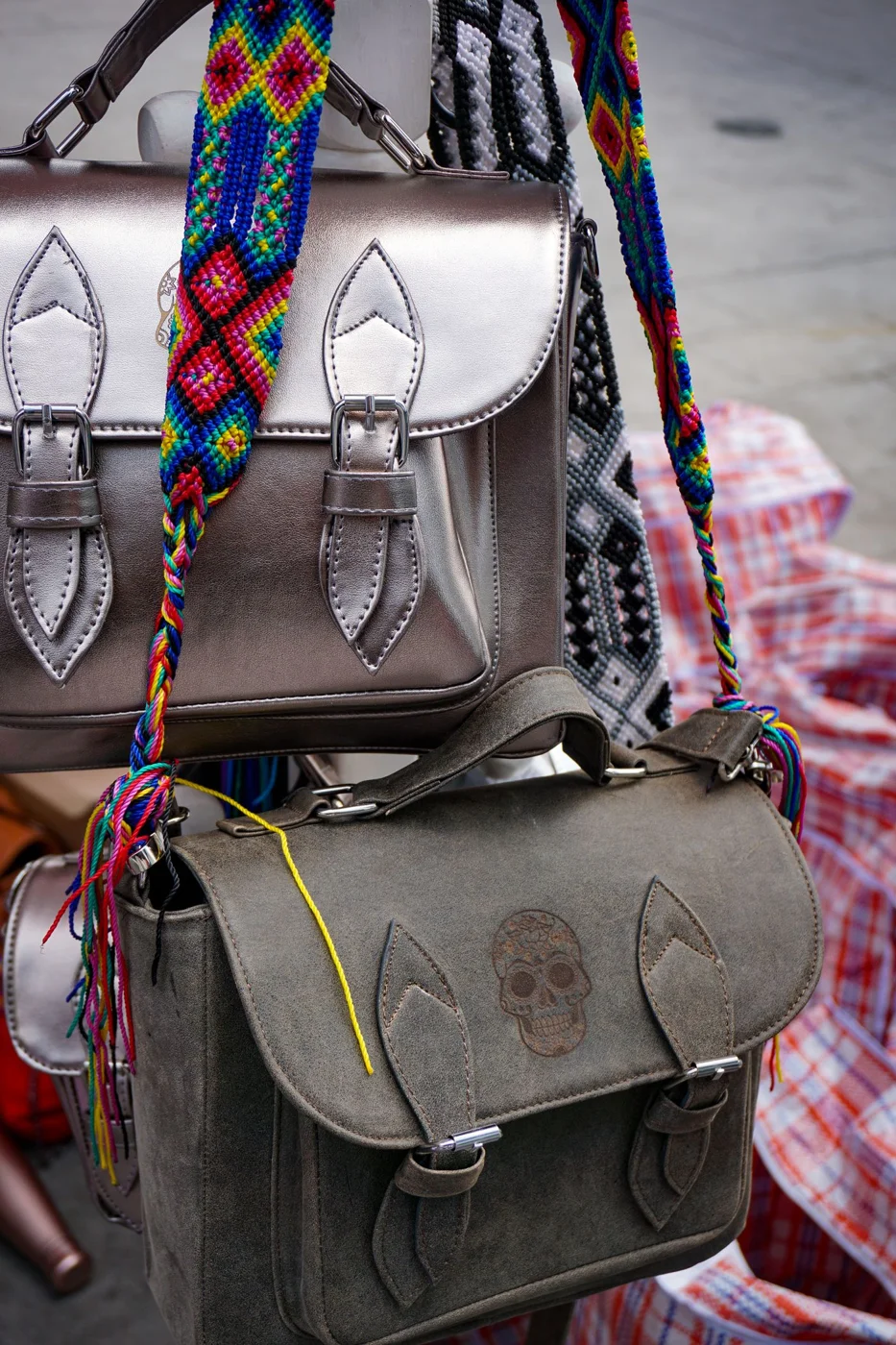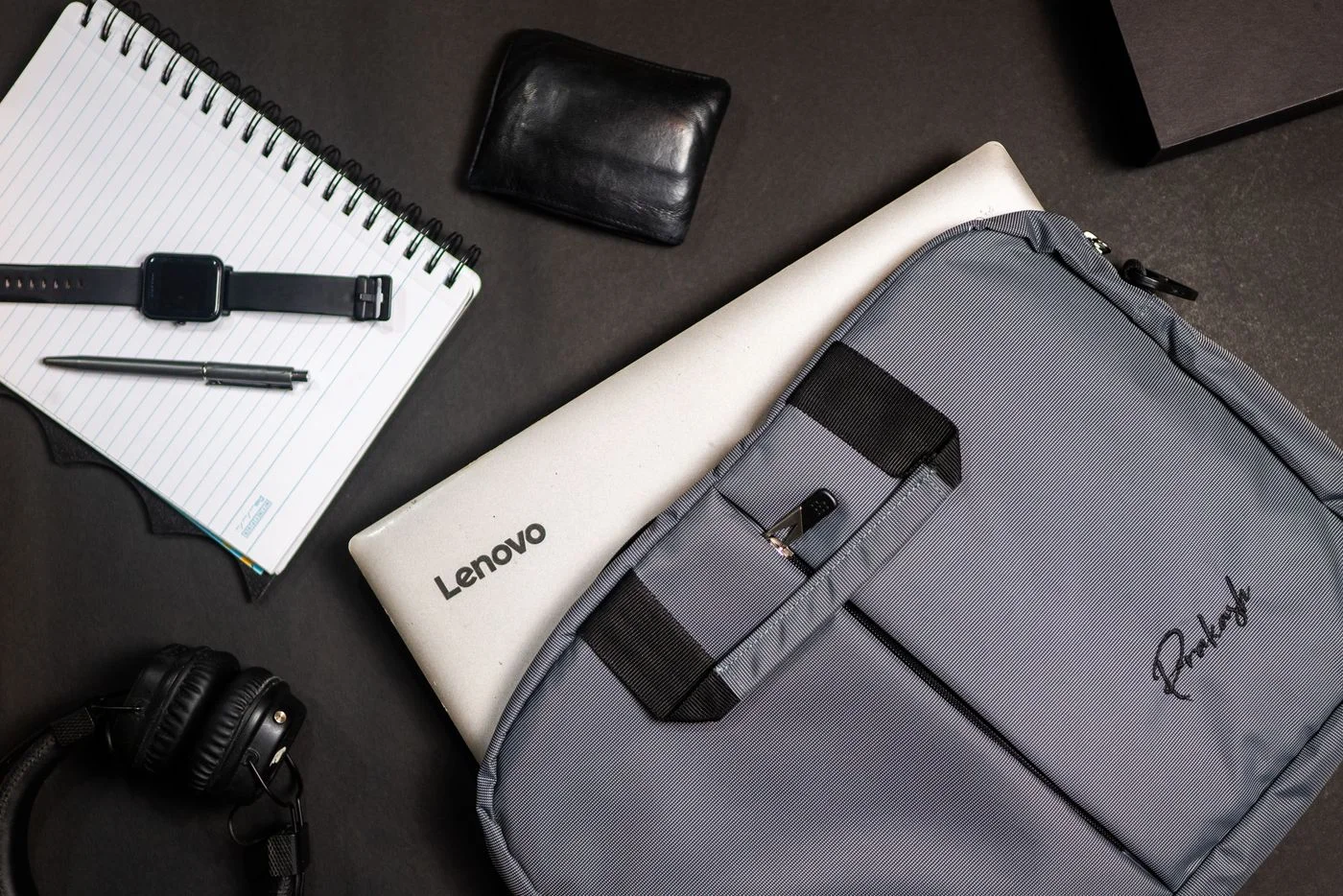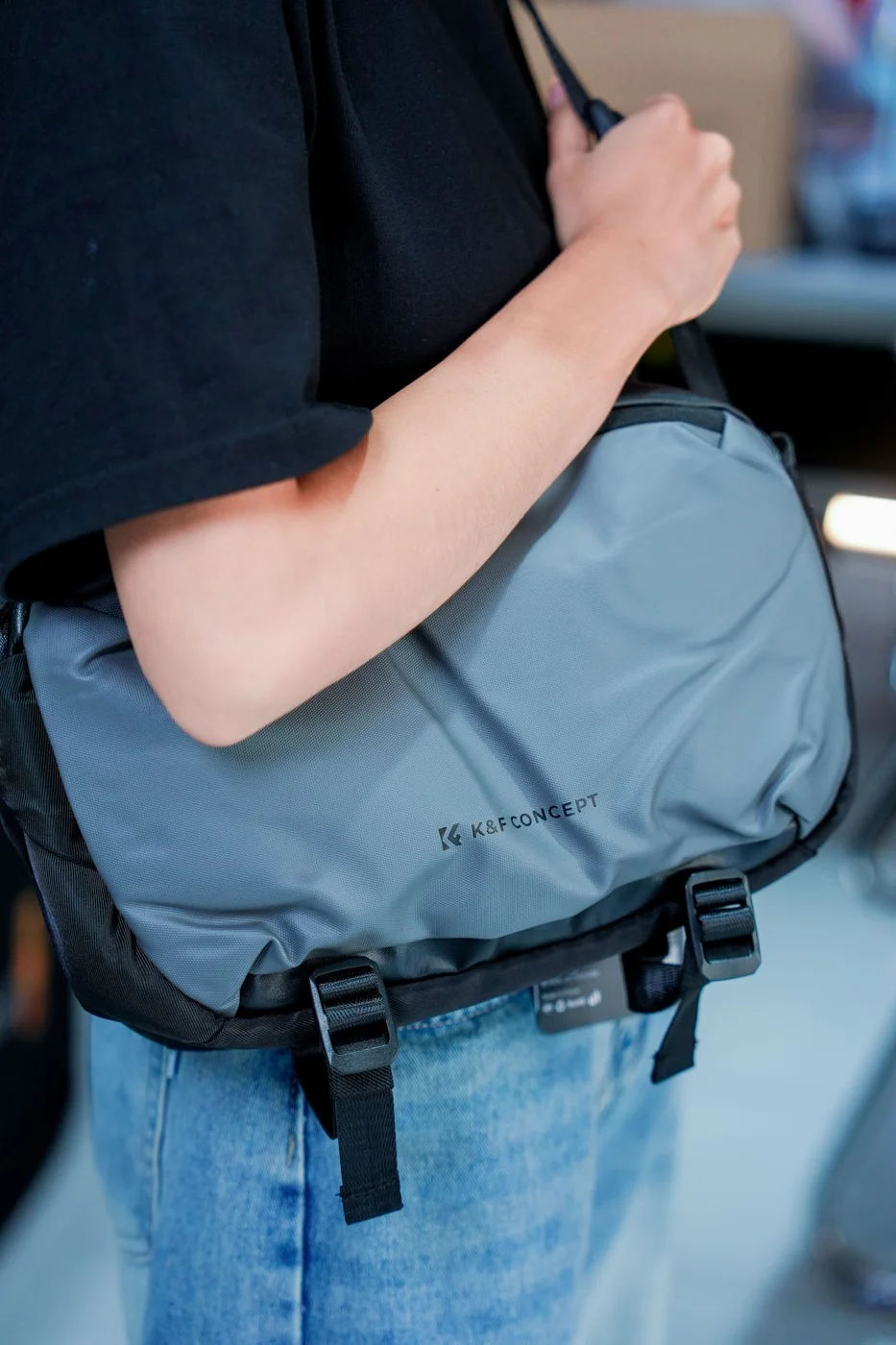
A messenger bag can feel balanced when empty and pull noticeably to one side once a water bottle or charger goes in. Its broad shape encourages objects to spread across the base, while a single shoulder strap gathers that load through two attachment points. The resulting hang matters more than the number of pockets.
Start by identifying the dense items in your usual load. A laptop, full bottle, compact umbrella, and charger can contribute much more weight than clothing or a folder. Pack them in their intended locations and lift the bag slowly. Watch which corner drops and whether the flap still closes evenly.
Rearrangement before a larger bag
Try moving the densest loose object toward the center. Keep hard accessories away from the laptop and use the bag's intended compartments. A small pouch can stop a charger sliding into a corner, but adding several organizers also adds weight and consumes space.
If the bag remains awkward, assess the pocket arrangement itself. A fixed bottle holder at the extreme edge may suit one load and not another. Buying a larger bag can create more room without correcting where the weight sits.
Wear the loaded bag with your ordinary jacket. Adjust the strap so you can reach the opening, then walk, sit, and stand. Notice whether you are continuously lifting the bag or holding it in place. This is a personal usability test; a messenger should not be selected on unverified promises about posture or back support.
Access with the flap open
Open the flap while the bag is hanging normally. A heavy flap or large metal buckle can shift the center of weight forward. If you need one hand to support the bag and another to hold the flap, retrieving a transit card may be inconvenient.
Check the strap attachments and stitching under an ordinary load. Look for obvious twisting, strained seams, or a clip positioned against your body. Do not exceed a manufacturer's load guidance or use a new bag as a stress-test project.
There is no obligation to make a messenger work for every day. It may suit a light meeting load and be less suitable for carrying a laptop plus several heavy objects over a long route. If reducing or rearranging the contents does not make it comfortable, consider a different carrying format. The useful choice is the one that handles your actual load without constant adjustment.