Two laptops described as fourteen-inch models may have different outer dimensions. The screen measurement runs diagonally across the display; the body also includes the frame, hinge, and casing. A bag advertised for that screen size is therefore a useful shortlist, not a guarantee of fit.
Measure the closed device's width, depth, and thickness. Include any rigid shell you leave attached. If you intend to use a separate padded sleeve inside the bag, measure the sleeve instead. Write these figures down in the same units as the bag listing so you are not comparing rounded inches with precise centimeters.
The entrance can be the limiting dimension
Ask for the laptop compartment's internal dimensions, including the opening. A pocket can be large enough at its base yet narrow at the zip entrance. Rounded corners, padding, and a retaining strap may further reduce the usable space.
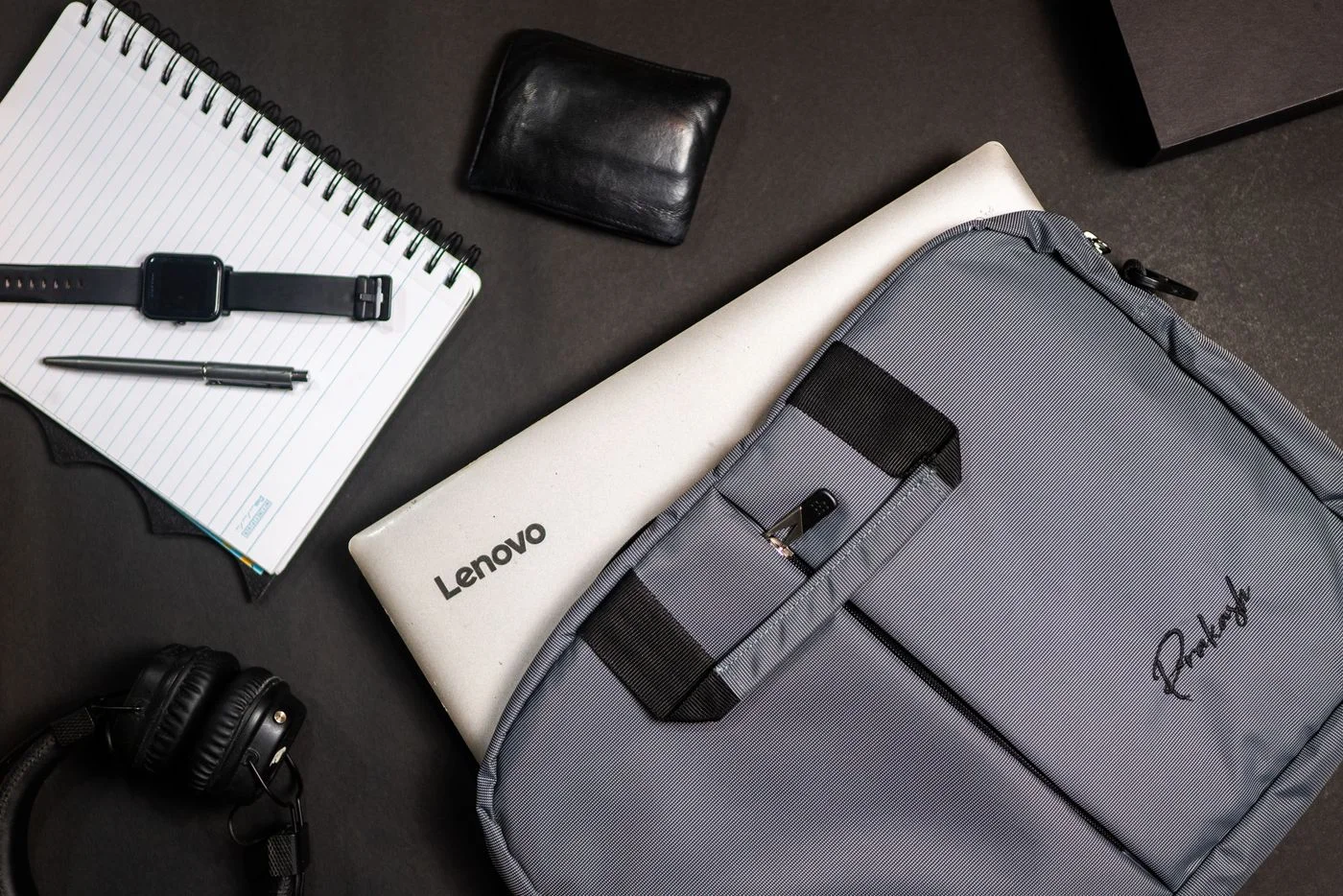
Slide the laptop in gently during an indoor test. It should not require stretching the bag or bending the device. Close the compartment and check whether the zipper presses against a corner. A snug fit that prevents movement is different from a strained fit that loads pressure onto the computer.
Padding also varies. Feel the bottom and sides rather than judging protection from the thickness of the front panel alone. Some bags have a raised sleeve that keeps the device above the outer base, but this construction is not a substitute for careful handling or evidence of tested impact protection.
Pack the charger as well
A bag that fits a computer beautifully can become awkward once the charger occupies the same compartment. Keep hard accessories from pressing directly into the device. Look for a separate space large enough for the charging block and coiled cable without forcing a bulge against the sleeve.
Consider access in the places you work. If you often remove the laptop while the bag is on a narrow desk, a large fold-open panel may be less convenient than a simple top opening. Check whether the carrying handle remains comfortable with the complete load.
Before buying online, save the bag specification and verify the return conditions. Avoid testing fit by forcing a device into a compartment because the product title says it should work. A few minutes spent comparing actual dimensions can prevent a return and, more importantly, avoid unnecessary pressure on the object the bag is meant to carry.