A broken zipper does not necessarily mean a garment is finished, and a low replacement price does not automatically make repair wasteful. The useful comparison starts with the actual damage and the condition of everything around it.
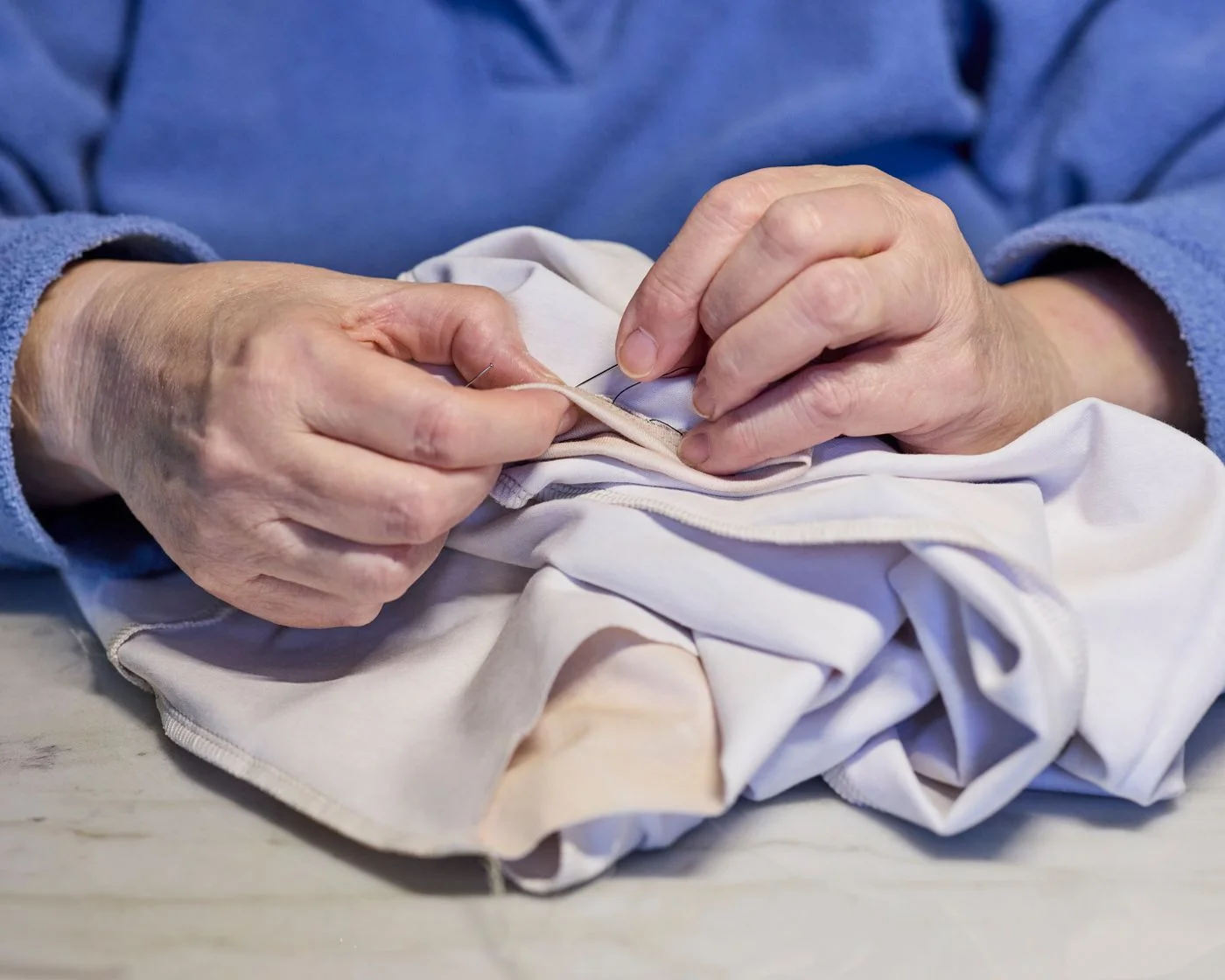
Lay the item out and identify what has failed. Is it a replaceable component, a localized seam, a worn surface, or widespread fabric deterioration? A new button on sound cloth is a different project from a button attached to an area that is tearing apart.
Ask whether the rest still works
Check fit, lining, seams, and other high-contact areas. If you already avoid the garment because it is uncomfortable, repairing one closure may not bring it back into use. Conversely, a well-fitting favorite with one failed part may be worth assessing even if its original purchase price was modest.
Do not estimate a guaranteed future lifespan from a quick look. Instead, describe the condition honestly and ask a repairer what the proposed work can and cannot address. A repaired area may be stronger while another worn area remains unchanged.
Compare real costs and outcomes
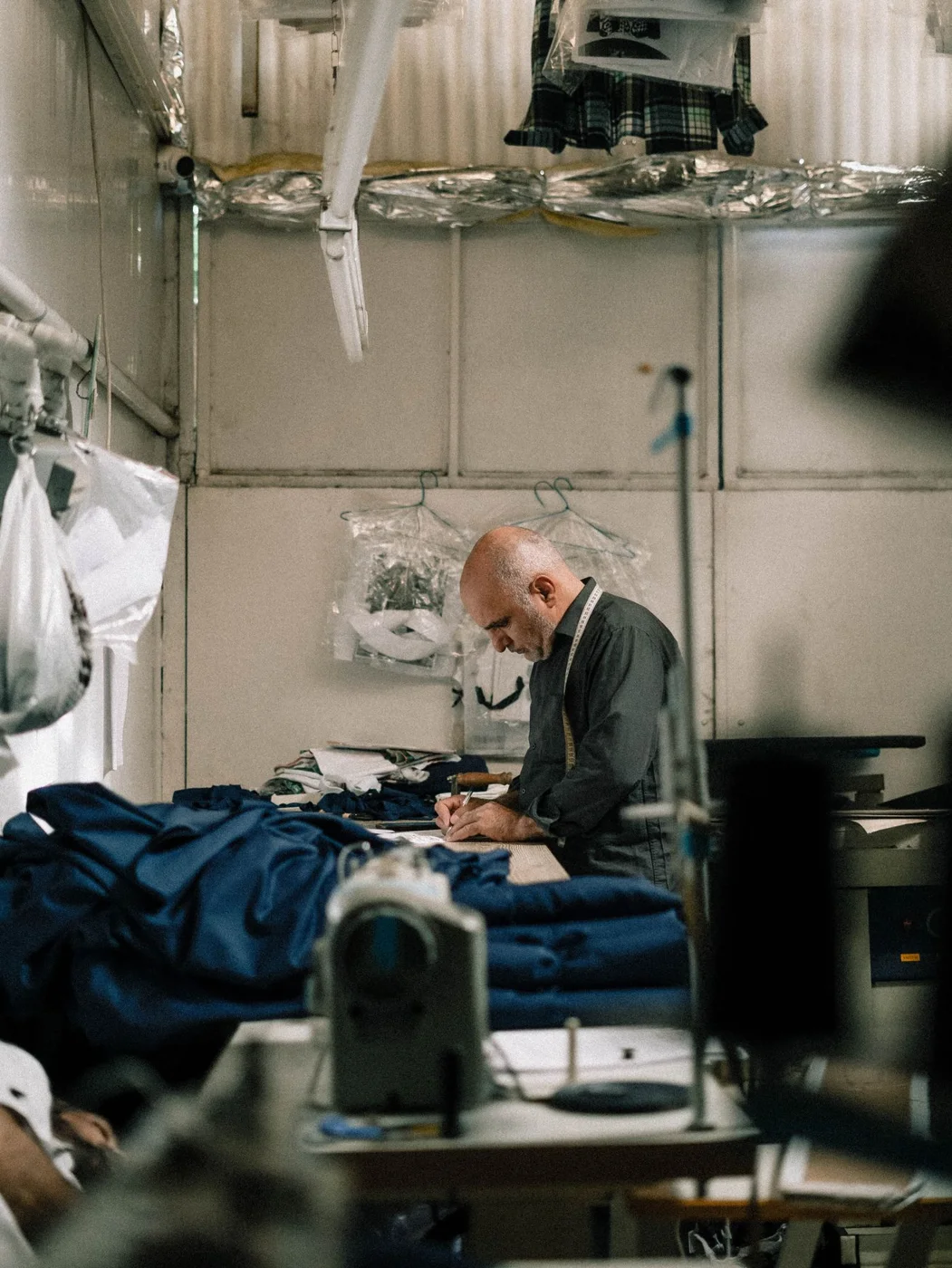
Get a quote that includes materials and any related work. Replacing a zipper in a lined garment can involve more labor than the zipper's retail cost suggests. Ask whether the result will look similar to the original and whether visible differences are acceptable to you.
Compare that quote with a replacement you would actually buy, not the cheapest theoretical alternative. Include delivery and any alterations needed for the replacement. Keep this as a practical spending comparison rather than a claim that one choice always has a lower environmental impact.
Time matters too. If the item is needed immediately, a repair appointment may not fit the deadline. A temporary alternative from your existing wardrobe can create space for a more considered decision.
Keep value separate from sentiment
A gift or memorable garment may justify repair for reasons beyond price. That is a legitimate preference, but tell the repairer about fragile details and ask what can be preserved. Do not authorize aggressive treatment simply because the item matters to you.
If repair is not worthwhile, consider whether the item can be passed on with its condition clearly disclosed, used for an appropriate other purpose, or handled through a suitable local textile route. Avoid donating an unusable item as though it were ready to wear.
A good decision is specific: this repair, on this garment, for this future use. It does not require a universal percentage rule or an invented promise about how many years the item has left.