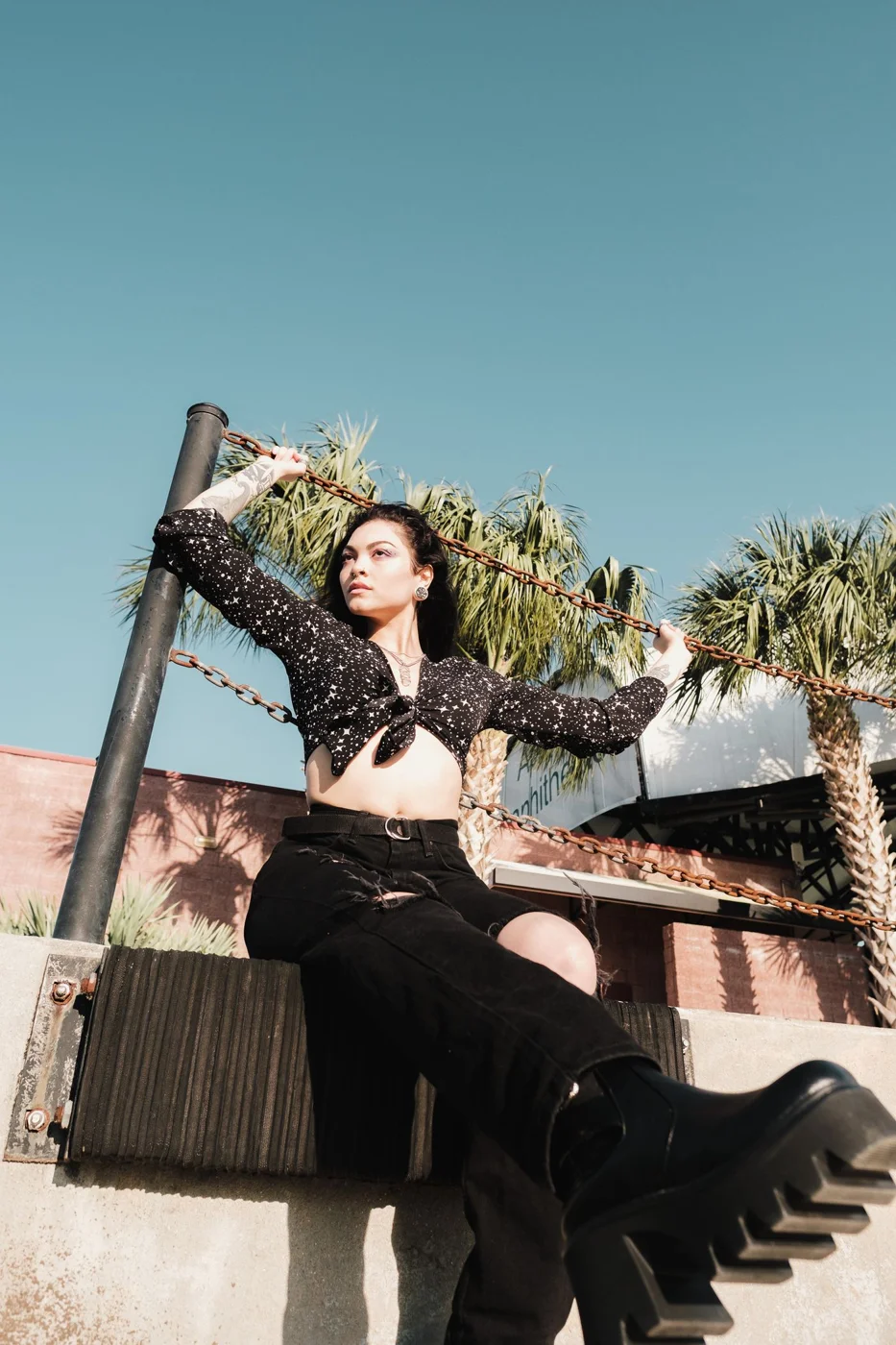
Platform shoes can add height while changing the relationship between the heel and forefoot. Two pairs with the same overall height may feel quite different if one has a level platform and the other has a larger rise at the heel. Read the measurements carefully and assess the complete shoe while walking.
The visible thickness is only one part of the decision. A platform can be light or heavy, flexible or rigid, broad or narrow at the contact surface. Product photographs may emphasize the side profile while telling you little about how the sole meets the ground.
Start with a natural stance
Put on both shoes and stand without bracing against a counter. Notice whether the foot slides forward or whether a strap is doing excessive work to hold it in place. Check toe room and the edges of the footbed as you would with any other shoe.
Walk a short, clear indoor route, turn, and stop. Pay attention to how easily the sole rolls or bends through a step. A stiff platform may require a different movement from the shoes you normally wear. The question is whether that movement feels manageable and natural enough for your intended use.
Check the upper separately. A secure ankle strap does not eliminate a loose heel or crowded toes. A broad-looking base does not establish grip on every surface. Avoid drawing a whole-shoe performance conclusion from one visually reassuring feature.
Include stairs and hems in the plan
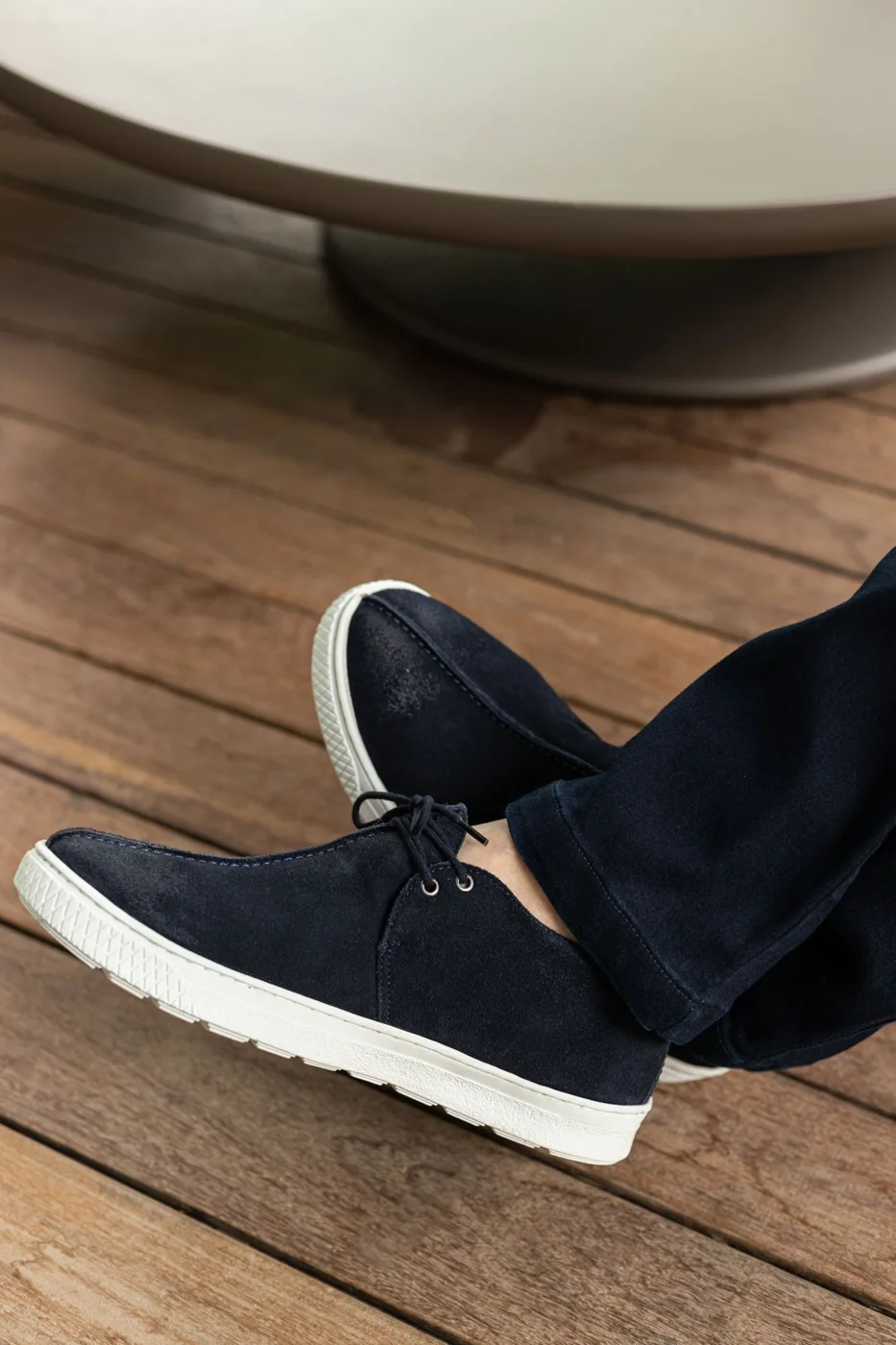
If you will wear the shoes with long trousers, check that the hem does not catch under the sole. A platform may lift the hem clear while standing and interact differently when seated or stepping. Use a safe, permitted setting to assess the movement that matters; do not test an uncertain pair on a hazardous surface.
Consider the venue and duration. Shoes for a short event may not be the pair you choose for prolonged walking or a busy commute. Carrying a replacement pair can be practical, but it should not be the plan for coping with a fit that is already uncomfortable.
Choose the platform for its actual balance, weight, and fit rather than its height alone. If the design makes ordinary walking feel difficult during the initial try-on, a different construction may offer the appearance you want with a more suitable experience.