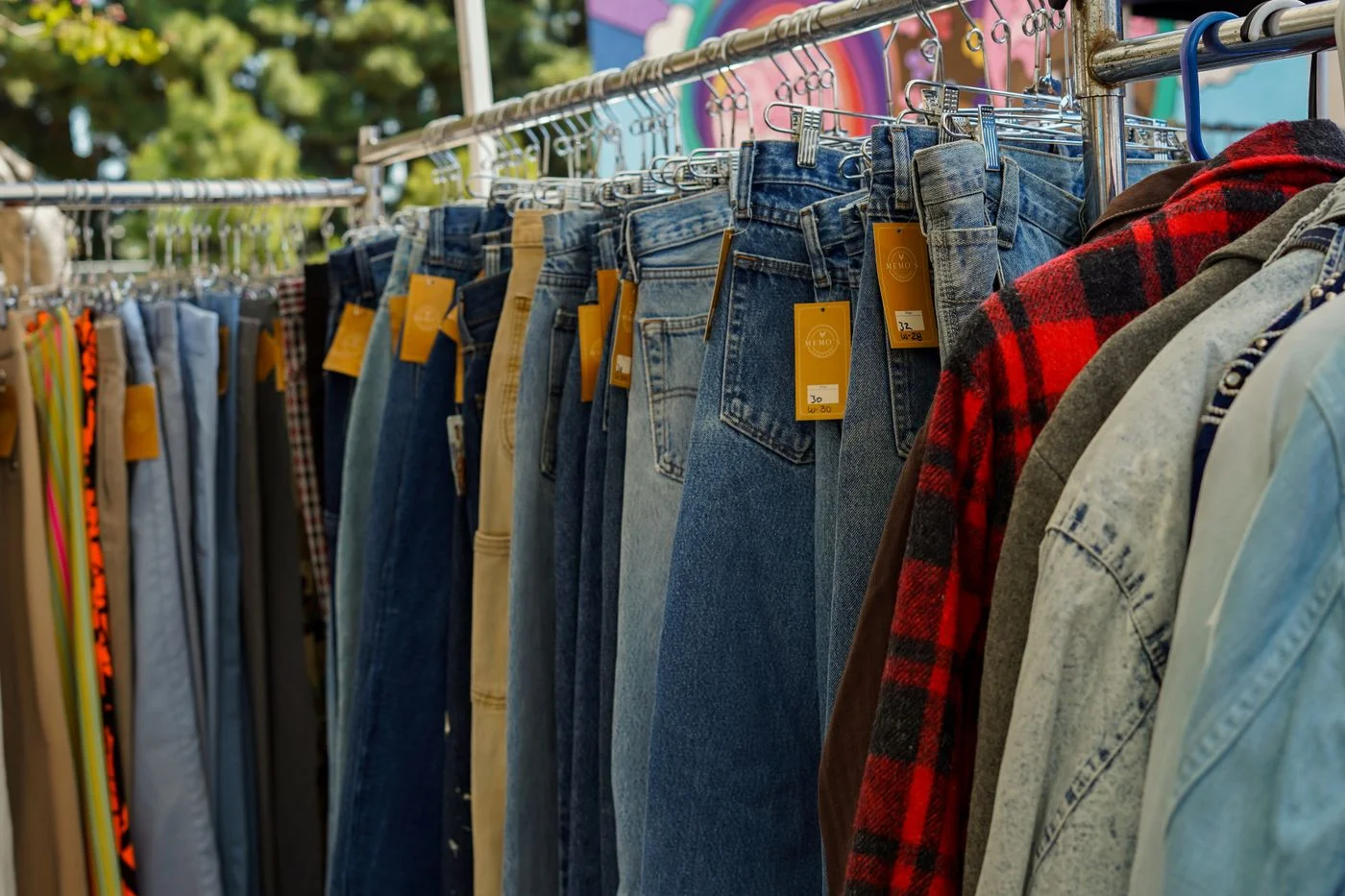
An outlet store can sell several kinds of merchandise, including items made specifically for that channel. The FTC notes that outlet products may differ from those sold in regular retail stores. That means a familiar brand name does not establish that a discounted jacket is the same jacket you saw elsewhere.
Start with the exact product details. Compare the style number, material composition, lining, pockets, hardware, and measurements where available. If you cannot establish a direct match, assess the outlet item on its own merits rather than calculating a saving against a different garment.
Look at what is actually included
A jacket with a partial lining may suit you perfectly, but it is not equivalent to a fully lined version merely because the silhouette is similar. A shirt can have a different fabric weight, collar construction, or button arrangement. These differences matter only in relation to the use you want.
Ask staff whether the item is made for the outlet or comes from another retail range. Their answer can clarify the comparison, but you should still inspect the garment and read the label. Avoid assuming that every outlet item is inferior or that every regular-store item is better.
Try the piece with the same care you would give a full-price purchase. Check movement, coverage, seams, and closures. A discount does not make an uncomfortable waistband or an awkward sleeve more wearable.
Treat reference prices carefully
A compare-at figure may not tell you what you would otherwise pay for that exact item today. Look at comparable available options and the final price you are being asked to pay. The useful question is whether the garment meets your needs at that amount.
If an additional coupon applies, confirm exclusions and the eligible subtotal. Do not add several percentage signs together or assume an outlet promotion stacks with every other offer.
Returns can follow a separate route
Check where an outlet purchase can be returned and what condition and time requirements apply. A regular store carrying the same brand may not handle it. Keep the receipt and confirm any final-sale marking before leaving or checking out.
Travel costs and time can also affect value if you make a special trip. A modest item saving may disappear when the purchase requires a long drive, though combining errands can change that calculation.
Outlet shopping works best when the product is evaluated as a real garment with its own construction and terms. A logo and a crossed-out price are useful identifiers, but they are not a substitute for that assessment.