Sorting dark clothing begins with the care label, not a rule that every dark item can share the same wash. A black wool sweater, navy jeans, and a dark embellished top may require different processes. Group compatible care needs first, then consider color.
Read warnings such as wash separately or wash with like colors. Those instructions are more useful than assuming an item is stable because you have washed a similar color before. A new garment can behave differently from a familiar one, and a dark shade does not identify the dye process used.
Keep incompatible items apart
A laundry bag can separate physical items but does not seal them away from shared water. It should not be treated as protection against color transfer. The same applies to folding a dark garment inside another item.
If the label requires separate washing, follow that direction. Do not rely on a small home test to prove that an entire garment will behave safely in a different cycle. Testing can itself leave a mark, and a single area may not represent every trim or component.
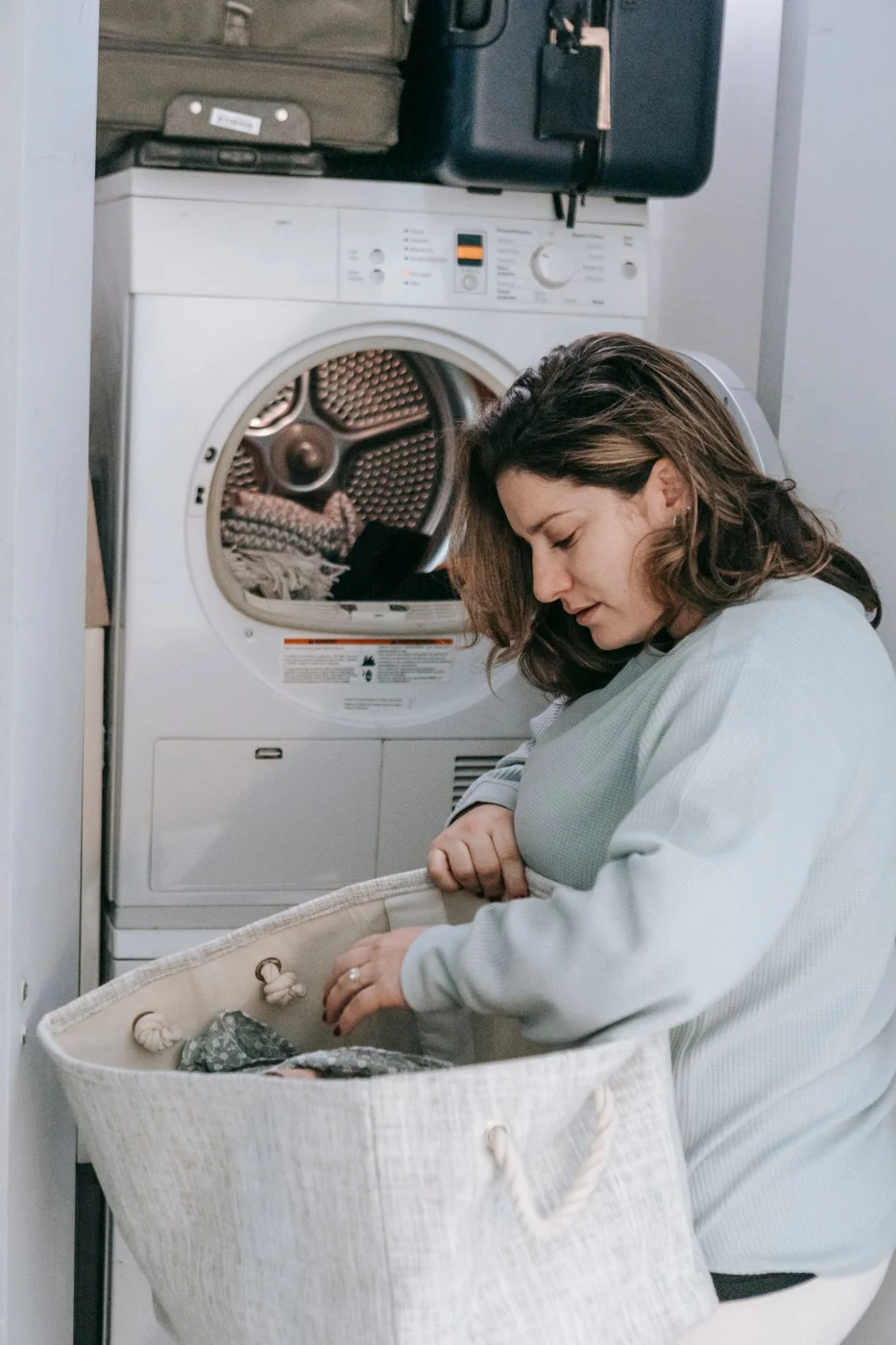
Check pocket contents, fastenings, and visible stains before starting. A forgotten tissue or loose object can create a different laundry problem that sorting by color will not prevent.
Detergent and temperature still come from the label
Choose the process appropriate to the garments and follow product dosing instructions. More detergent is not automatically more effective and may leave residue if the process cannot rinse it properly. Do not use bleach or an improvised additive unless it is suitable for the actual items.
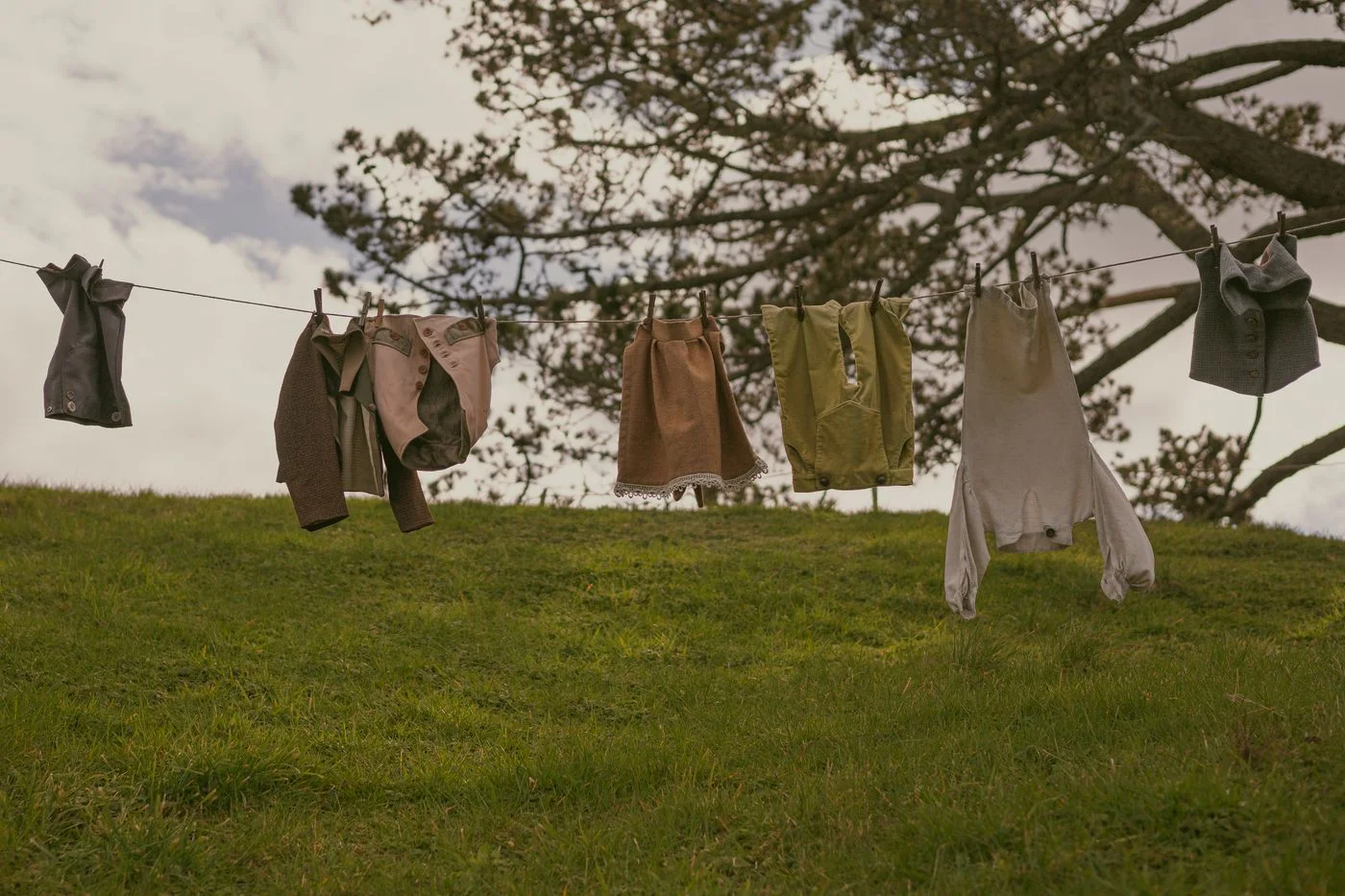
After washing, follow the drying guidance and avoid leaving wet dark and light pieces pressed together. Transfer can remain a concern while fabrics are damp, so do not move an unsorted wet pile into a basket and leave it there.
Build a routine you can repeat
A small separate load may take more planning than combining everything, but that cost belongs in the original clothing decision. If an item requires a care routine you cannot realistically provide, choose another piece rather than expecting sorting rules to be optional later.
Keep a note of unusual care requirements until they become familiar. You do not need an elaborate laundry system; a clear distinction between ordinary compatible loads and garments needing special handling can be enough.
The aim is to reduce avoidable surprises while following the garment's stated process. Color is one part of that decision, alongside fiber, construction, trim, and the specific warnings supplied with the item.