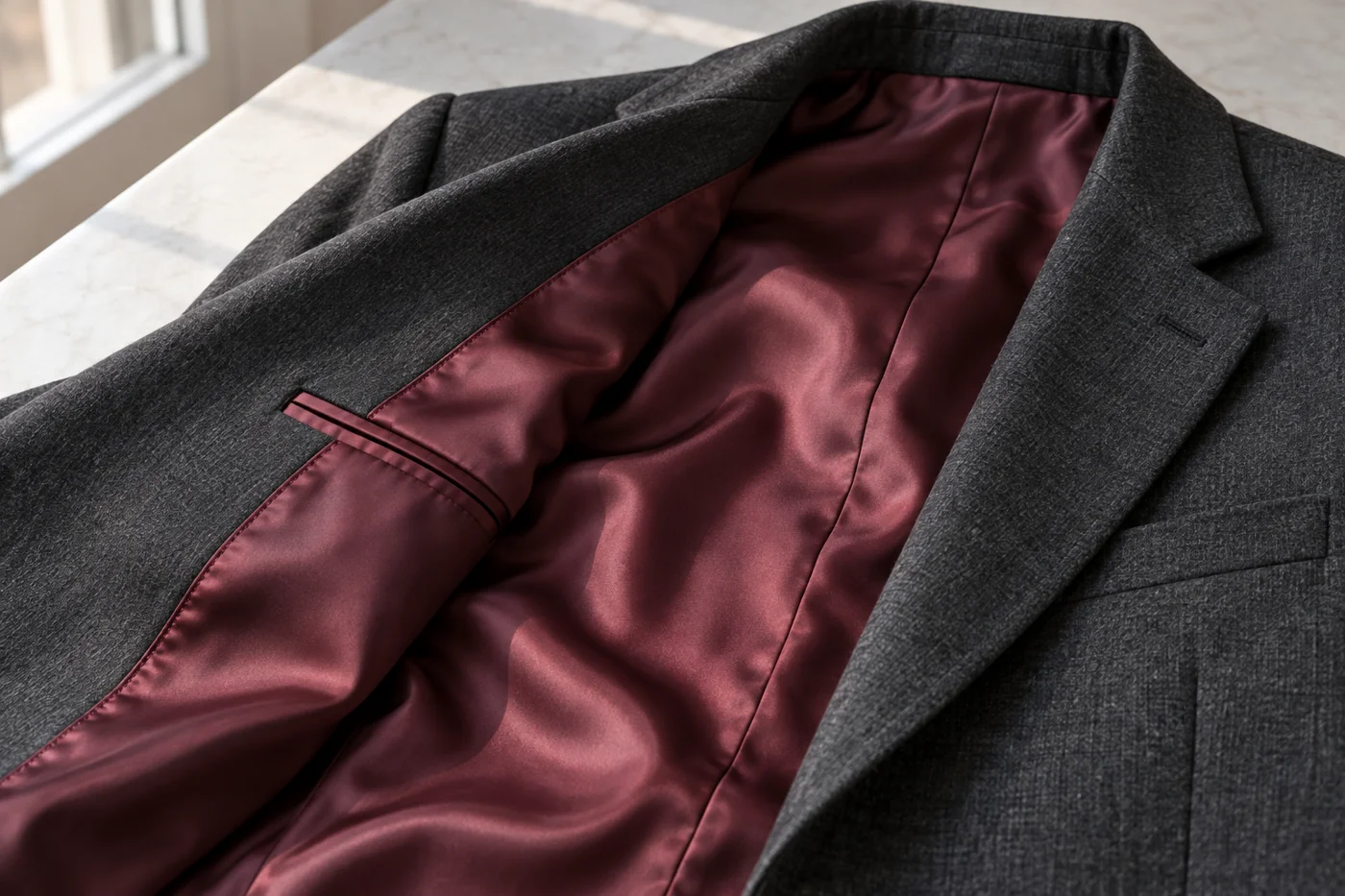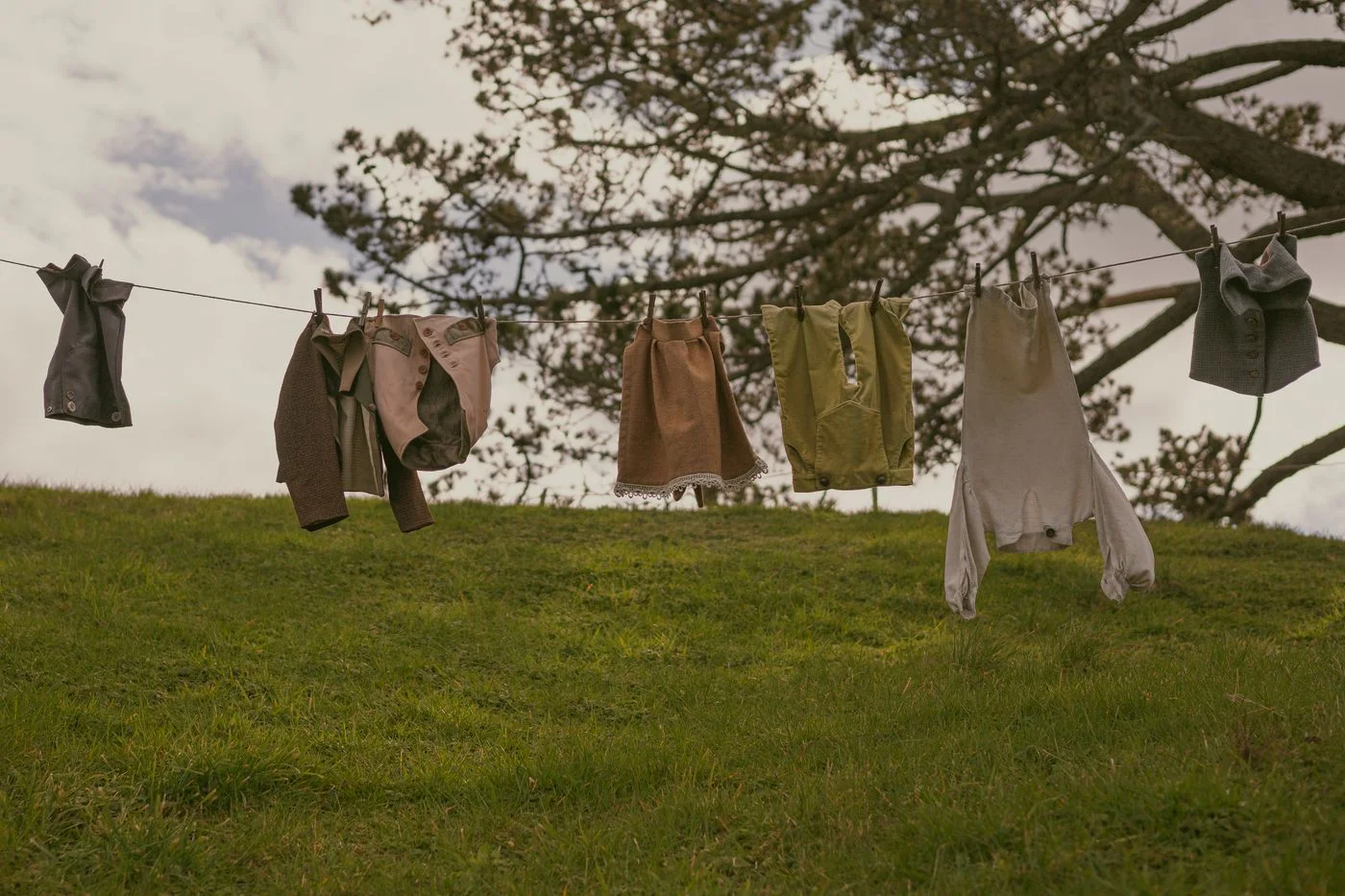
Air-drying is a broad description, not a single method. A garment may need to lie flat, hang from a particular point, or dry in another specified arrangement. The distinction matters because wet fabric can carry more weight and change shape under its own load.
Read the drying instruction before washing so you can prepare the space. A large sweater requiring flat drying needs a different setup from a shirt intended to hang. If you have nowhere suitable, that is useful information before buying the garment.
Spread the support
For an item that should dry flat, arrange it on a clean appropriate surface with its seams and edges resting naturally. Do not stretch it aggressively into a preferred size. Support sleeves and other heavy sections rather than letting them hang over the edge.
Woolmark recommends flat drying for wool sweaters unless the care claim allows an alternative. For other garments, follow their own labels instead of applying the wool example automatically.
A drying rack can provide airflow, but narrow bars may leave lines where a heavy garment drapes over them. Consider the contact points and use the arrangement recommended for the item. Keep the surface clean so wet fabric does not pick up marks.
Hanging without unnecessary tension
If hanging is allowed, choose a support suited to the shape and weight. A thin hanger can leave pronounced points in a wet shoulder, while clips can mark delicate fabric. Position the garment so seams are not being pulled in conflicting directions.
Do not twist the item to remove water unless its instructions permit that handling. Follow the specified wash and spin process, and avoid inventing a stronger wringing method simply to shorten drying time.
Leave space between items so they are not pressed together. Check thicker areas such as cuffs, waistbands, and pockets before putting the garment away. The outside may feel dry while a folded section remains damp.
Heat is a separate variable
Air-drying does not require placing clothing against a radiator or in strong direct heat. Follow any instructions concerning shade or temperature. An improvised heat source can affect dyes, finishes, and shape even though the garment is technically outside a tumble dryer.
A useful drying routine supports the garment while moisture leaves it, then allows it to return to storage without distortion or dampness. Plan for that entire process rather than treating the drying stage as an empty hook at the end of laundry.