Buttons are easy to overlook during a first try-on because the garment's overall shape takes attention. A short inspection before removing tags can reveal an attachment that needs attention or a closure that does not work comfortably.
Fasten the garment normally, without pulling the fabric into position. Buttons should meet their holes in the intended alignment. If the front pulls sharply across the chest or waist, the issue may be fit rather than a poorly placed button. Sewing it elsewhere can change the overlap and is not always a simple fix.
Look at both sides of the attachment
Inspect the thread at the front and back. A loose thread end may be harmless, but a button that wobbles because several stitches have broken needs closer attention. Do not pull the thread to see what happens; that can unravel an attachment.
Check whether the button has enough clearance for the thickness of the fabric. A heavy coat and a thin shirt use different constructions. The button should pass through without forcing the hole to stretch unnaturally.
Look at the buttonholes for obviously loose stitching, trapped threads, or incomplete openings. If a new hole is difficult to use, ask the retailer before cutting or enlarging it. Altering the garment can affect return eligibility.
Test the difficult positions
Cuffs, collars, and inner fastening buttons may receive less attention than the front row. Operate them in the position in which you will actually use them. A small cuff button that is manageable on a table may be awkward on your wrist.
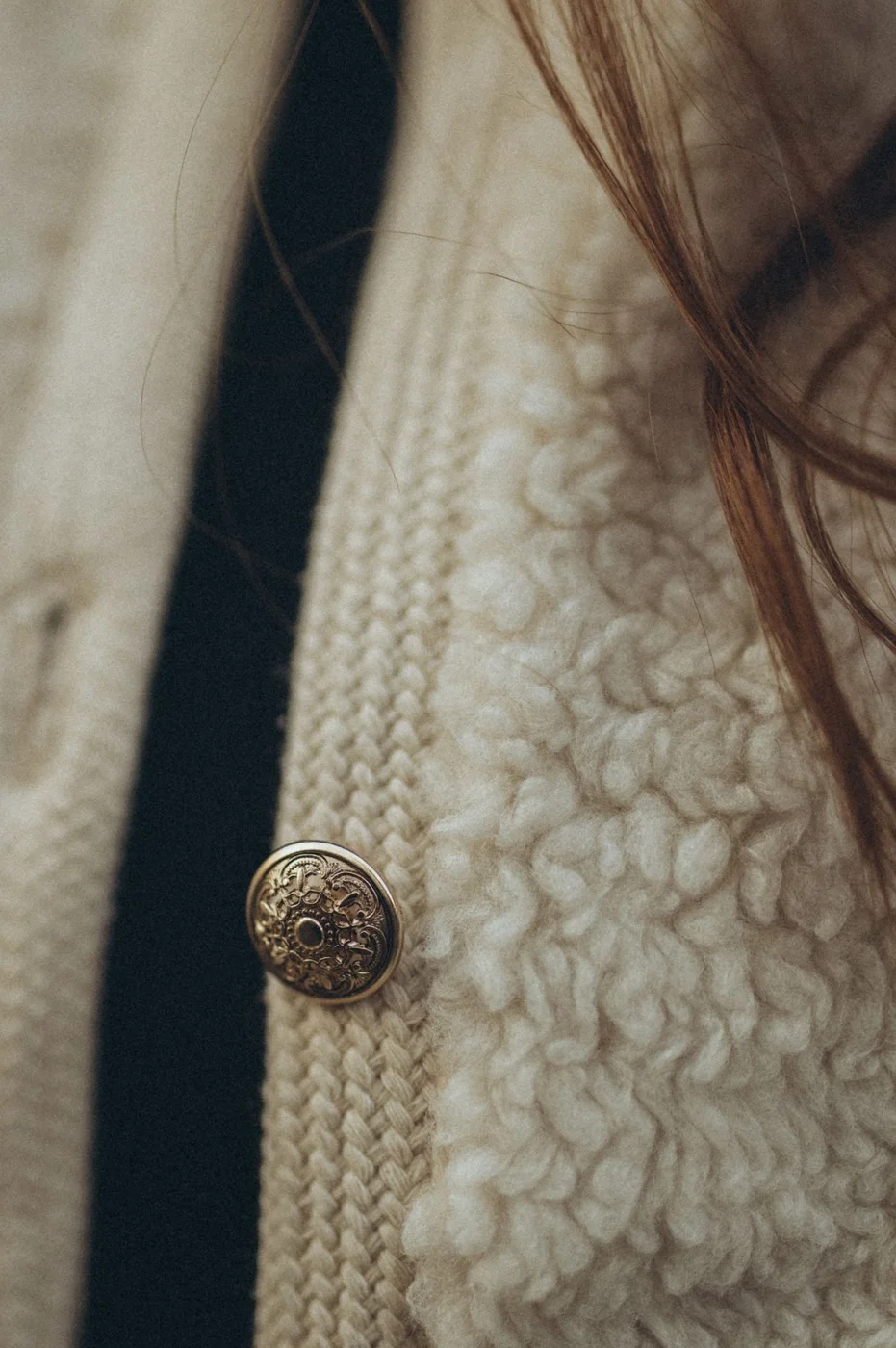
Check decorative buttons too. They may catch on a bag strap or chair even if they do not close anything. Make sure a spare button, if supplied, is stored somewhere you can find it rather than discarded with packaging.
For an older garment you intend to keep, replacing a loose button can be a modest repair if the surrounding fabric is sound. Match the button's size and function, and use an appropriate sewing method or a tailor. A torn patch beneath the button needs a different assessment from a broken thread.
For a new purchase, document a visible defect and contact the seller before repairing it yourself. The aim is to make an informed keep-or-return decision while the condition is clear, not to accept a preventable problem because the garment was discounted.