A zipper can look tidy while closed and still be awkward at the first inch of movement. Test the complete sequence before deciding a new garment or bag works for you: opening, engaging any separating end, moving the slider, and reaching the stop.
Begin with the item unstressed. A jacket should be in a comfortable size, and a bag should not be overfilled. If the two sides need to be pulled hard together, the zipper may be carrying tension the design does not intend.
Start with alignment
For a separating jacket zipper, follow the intended insertion and engagement before pulling upward. If it repeatedly fails to seat, stop and examine the arrangement. Do not force the slider while the base is misaligned.
On trousers or skirts, fasten any hook or button in the intended sequence so the zipper is not being asked to draw a tight waistband together. A closure can function perfectly on the hanger yet strain when the garment is too small.
Watch the fabric beside the teeth. Lining, loose threads, or a narrow flap can enter the slider path. YKK's usage guidance advises against forcing a zipper when material is caught; the useful shopping response is to stop, release the tension, and inspect.
Check the end points
The zipper should reach its intended stop without disappearing into a fold or trapping fabric. Look for missing teeth, a crooked slider, or a tape seam already coming loose. On a bag, check both corners where the zipper turns.
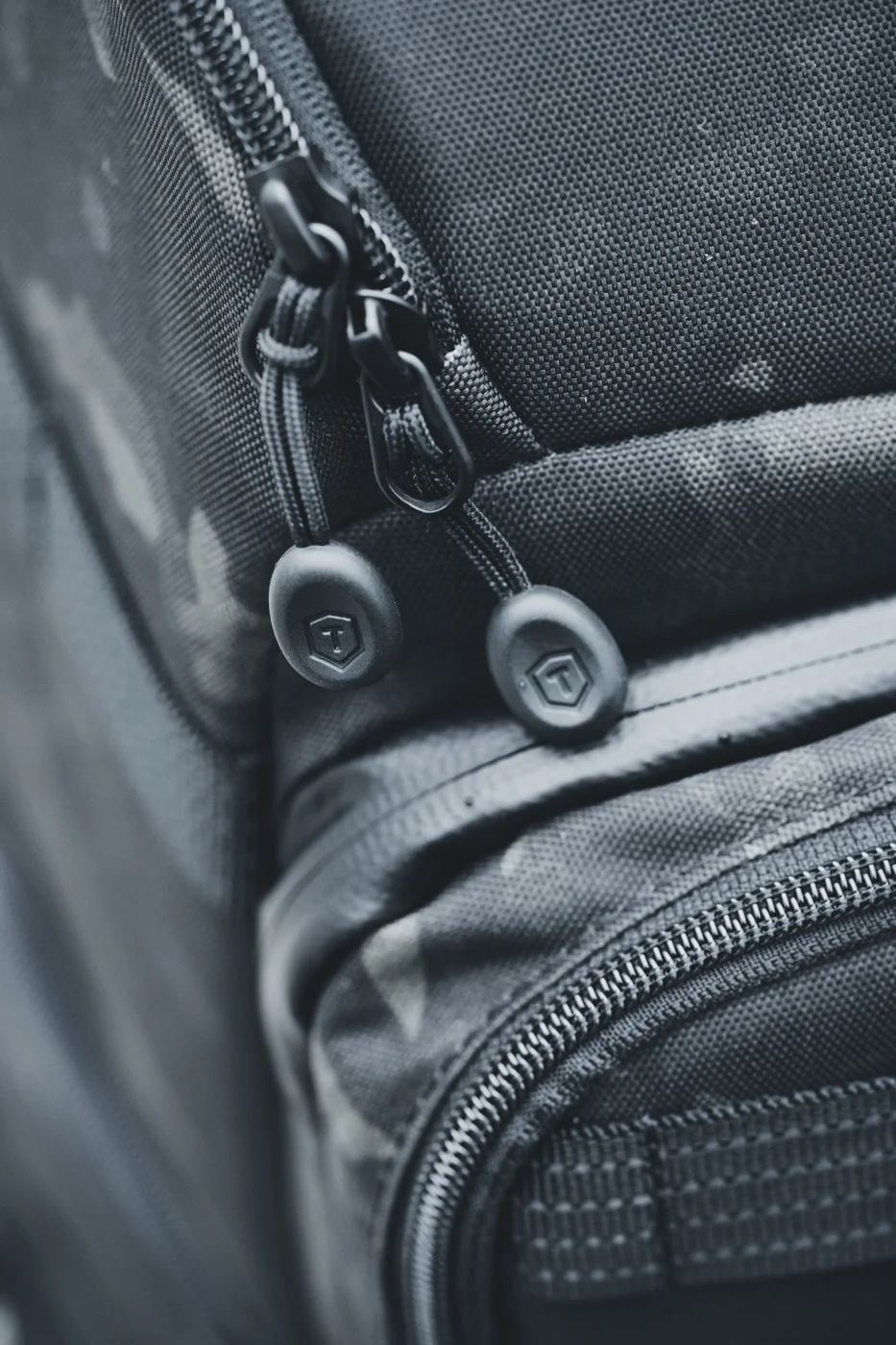
Operate the pull with the hand position you will normally use. A small decorative pull may be difficult with gloves, and a large one may catch on knitwear. The most attractive detail is not necessarily the easiest to handle.
Do not apply household oils, soap, or other improvised lubricants to a new item. They can affect fabric or finish and complicate a return. If the maker recommends a treatment, follow that specific instruction; otherwise, ask the retailer about a persistent problem.
A short test cannot predict a zipper's entire life, but it can identify a closure that is already inconvenient or defective. Keep the item whose zipper works through ordinary use without repeated negotiation. If each attempt requires force, repositioning, or a special trick, resolve the issue before removing tags or relying on it for travel.