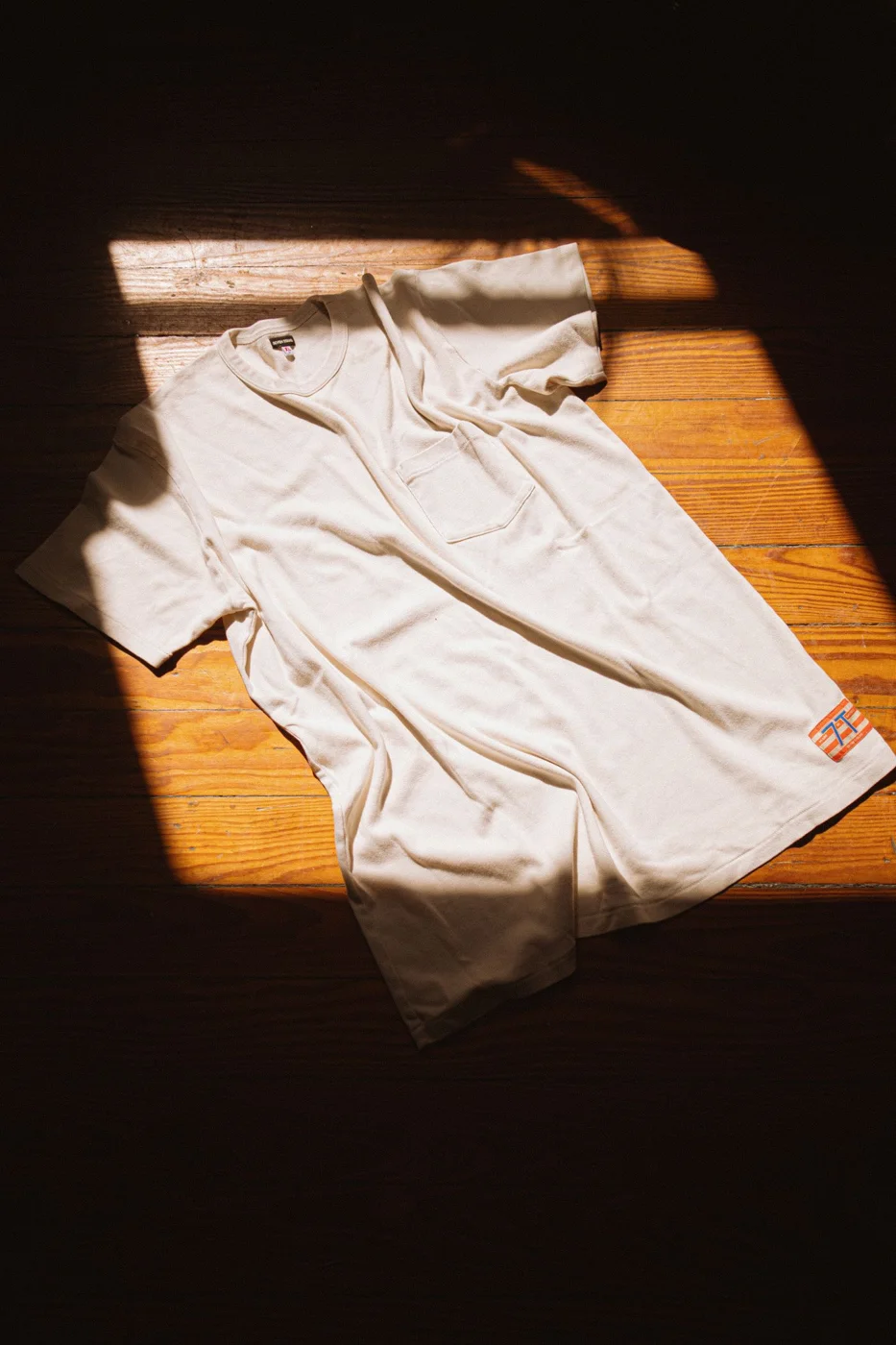
A white T-shirt can look solid on a hanger and reveal every layer underneath once it is worn. The useful question is not whether white shirts are inherently transparent, but how this particular fabric behaves over your body in ordinary light. Product photos and a hand held inside the shirt can offer clues; neither replaces a proper try-on.
Fabric weight matters, yet it is only part of the picture. A dense, smooth knit may cover differently from a loose or slubby one of similar weight. Added thickness can also make a shirt warmer or stiffer than you want. If you are shopping for a light summer layer, the heaviest option may solve the wrong problem.
Compare under the same conditions
Try two shirts over the same underlayer and inspect them near a window as well as under store lighting. Look at the chest, shoulder, and any place the fabric stretches. A very close fit can spread a knit and make it look more sheer. Going up a size is useful only if the resulting shoulder, neckline, and length still suit the intended outfit.
Color contrast underneath affects what you see. An underlayer close to your skin tone may draw less attention than bright white, but seams, lace, and edges can remain visible. Choose based on the clothes you will wear together instead of assuming that one underwear color guarantees coverage for everyone.
Hold the shirt away from the body and notice whether opacity changes sharply. This helps separate fabric sheerness from outlines caused by cling. A boxier cut or a different surface finish might be more comfortable than adding another layer solely to conceal seams.
Inspect the details that remain visible
Neck binding, doubled sleeve edges, and pocket outlines can look much darker than the body of a thin tee. Decide whether you like that contrast. Check the lower edge tucked into your usual pants too: a dense hem can show as a horizontal ridge beneath a fitted skirt even when the fabric above it is sufficiently opaque.
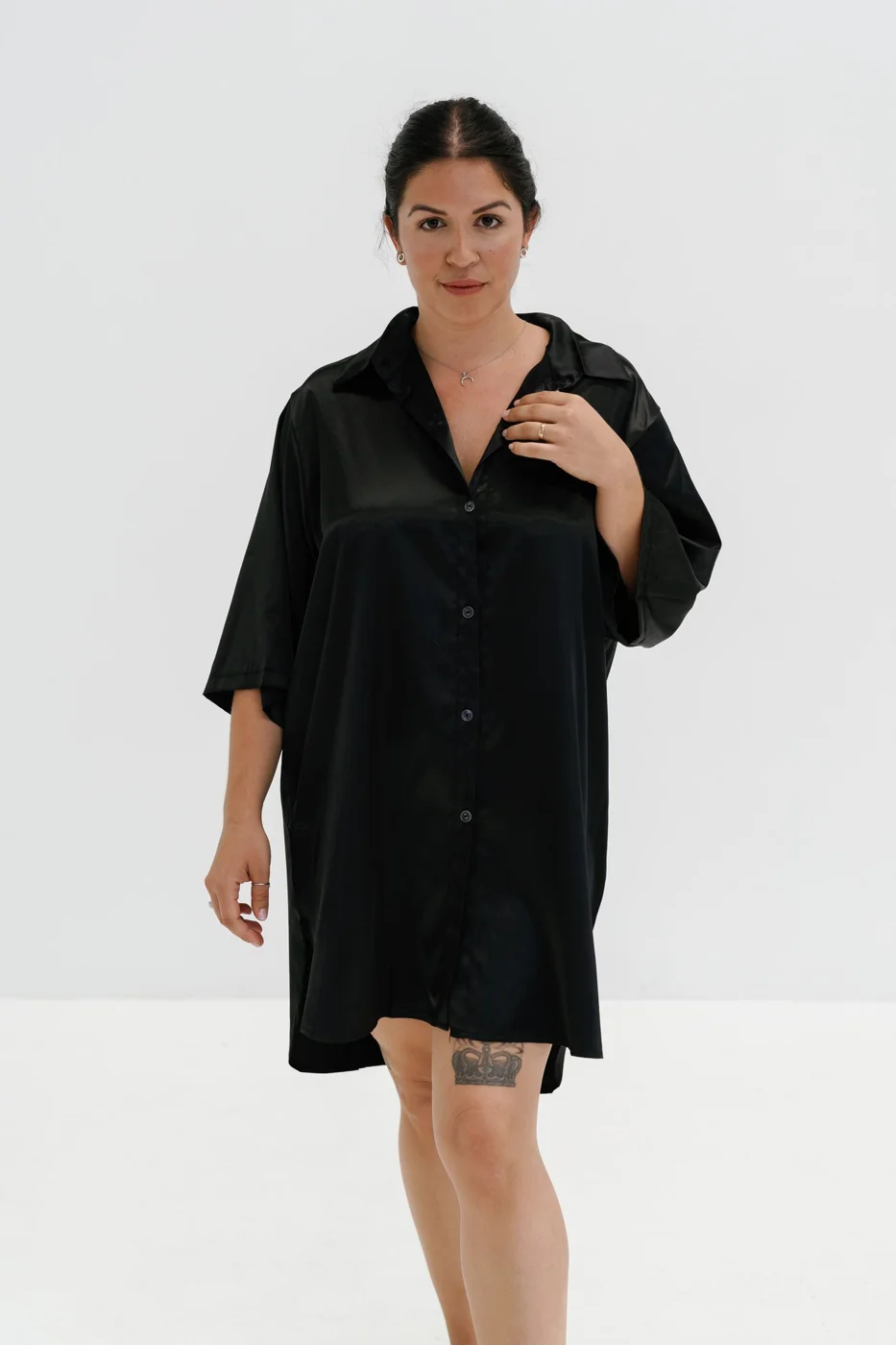
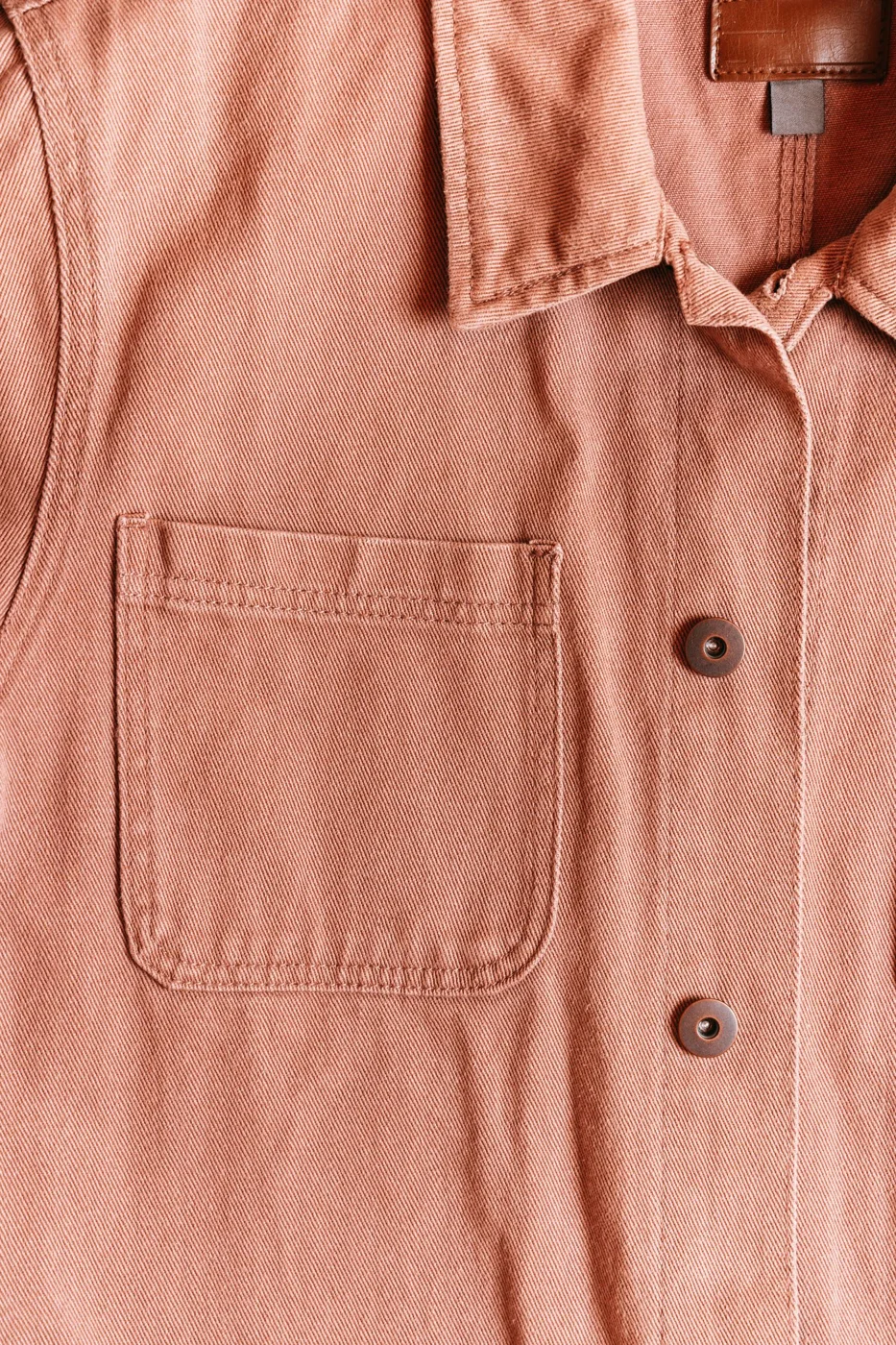
An online listing should ideally show the shirt worn from front and back, along with a close view of its fabric. If the only image is a flat product shot, coverage remains uncertain. Keep the return decision open until you have tested the shirt with your own layers; washing it in the hope that the fabric will become opaque is not a reliable fitting strategy.