A body measurement is a reference, not a judgment about size. Its purpose is to help you interpret a particular clothing chart. The most useful numbers are taken consistently, with the tape level and your body relaxed, rather than adjusted to match a size you expected to buy.
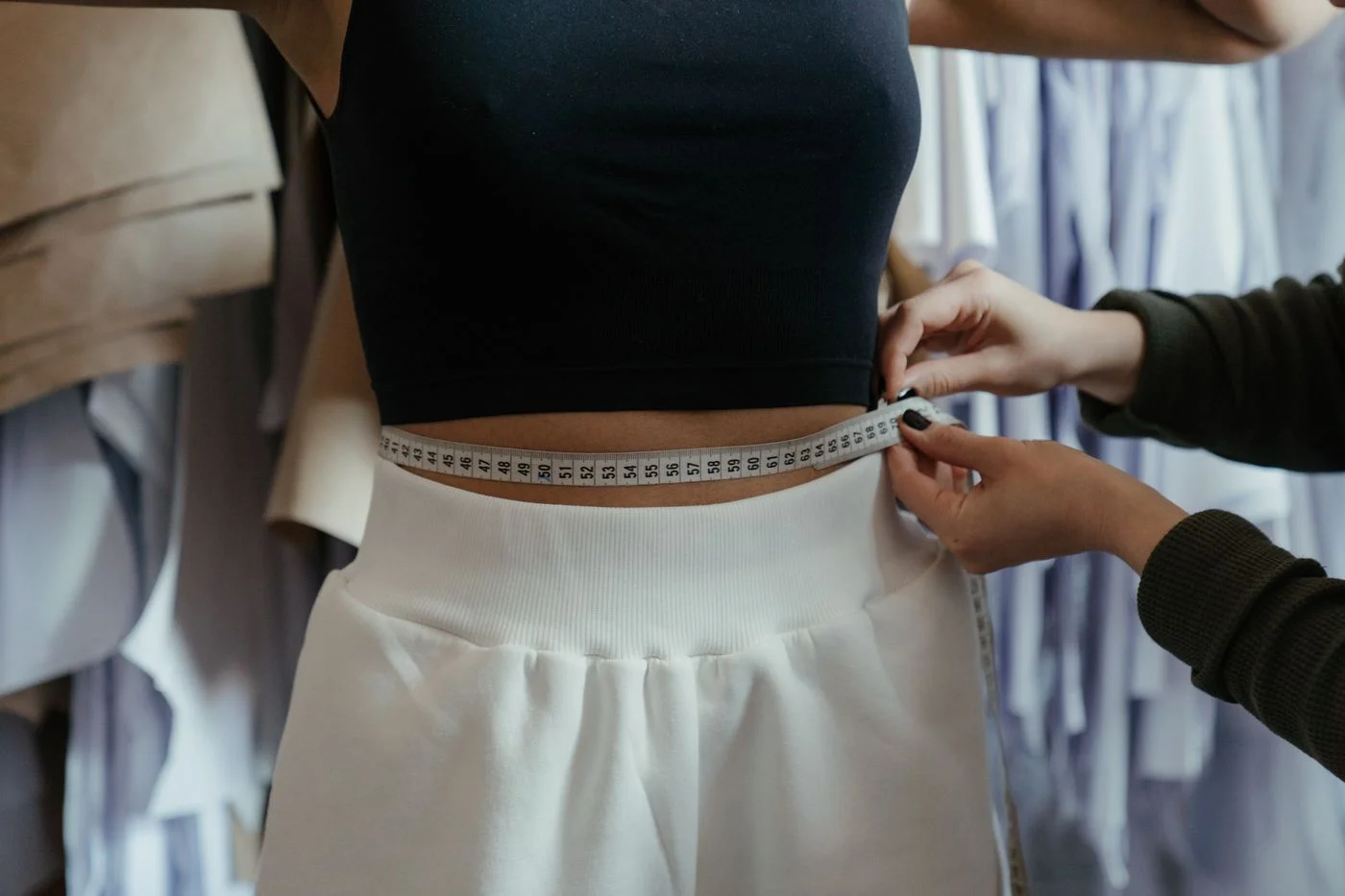
Use a flexible measuring tape in good condition and a mirror if possible. A second person can help keep the tape level around the torso. Measure over light, close-fitting clothing or appropriate underlayers; bulky clothes add information about those layers rather than your body.
Follow the chart’s landmarks
Read the retailer's measurement instructions before starting. A chart may define chest, bust, waist, and hip at particular points. Do not substitute the location of a trouser waistband for the waist landmark unless the instructions explicitly call for it. Different garment styles can sit at different heights.
Hold the tape against the body without digging in. Keep it horizontal for circumference measurements unless the chart says otherwise. Breathe normally and avoid pulling your stomach in or lifting your shoulders. Take the reading, reset the tape, and repeat to check that the first number was not caused by an angled tape or a twisted stance.
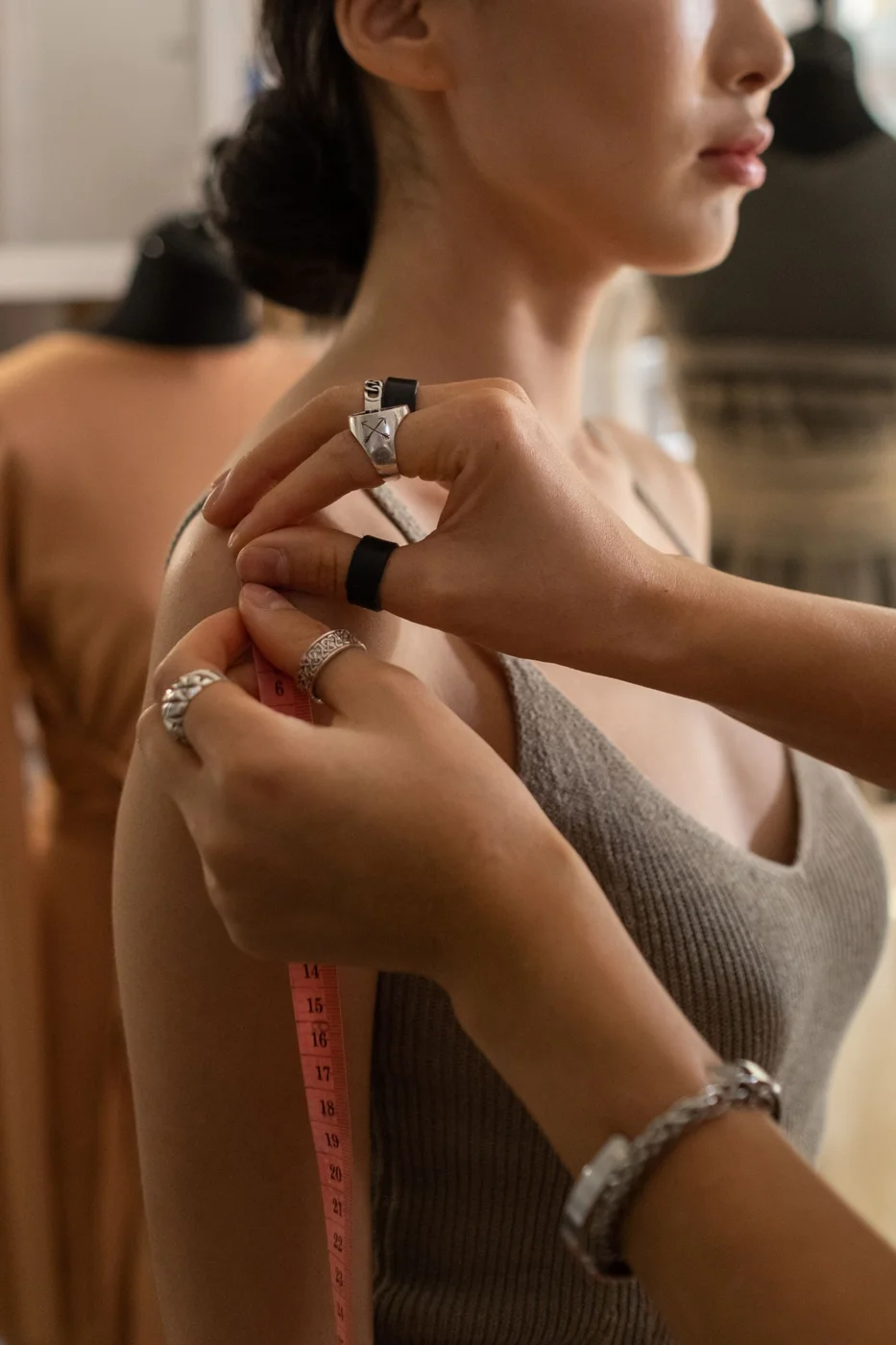
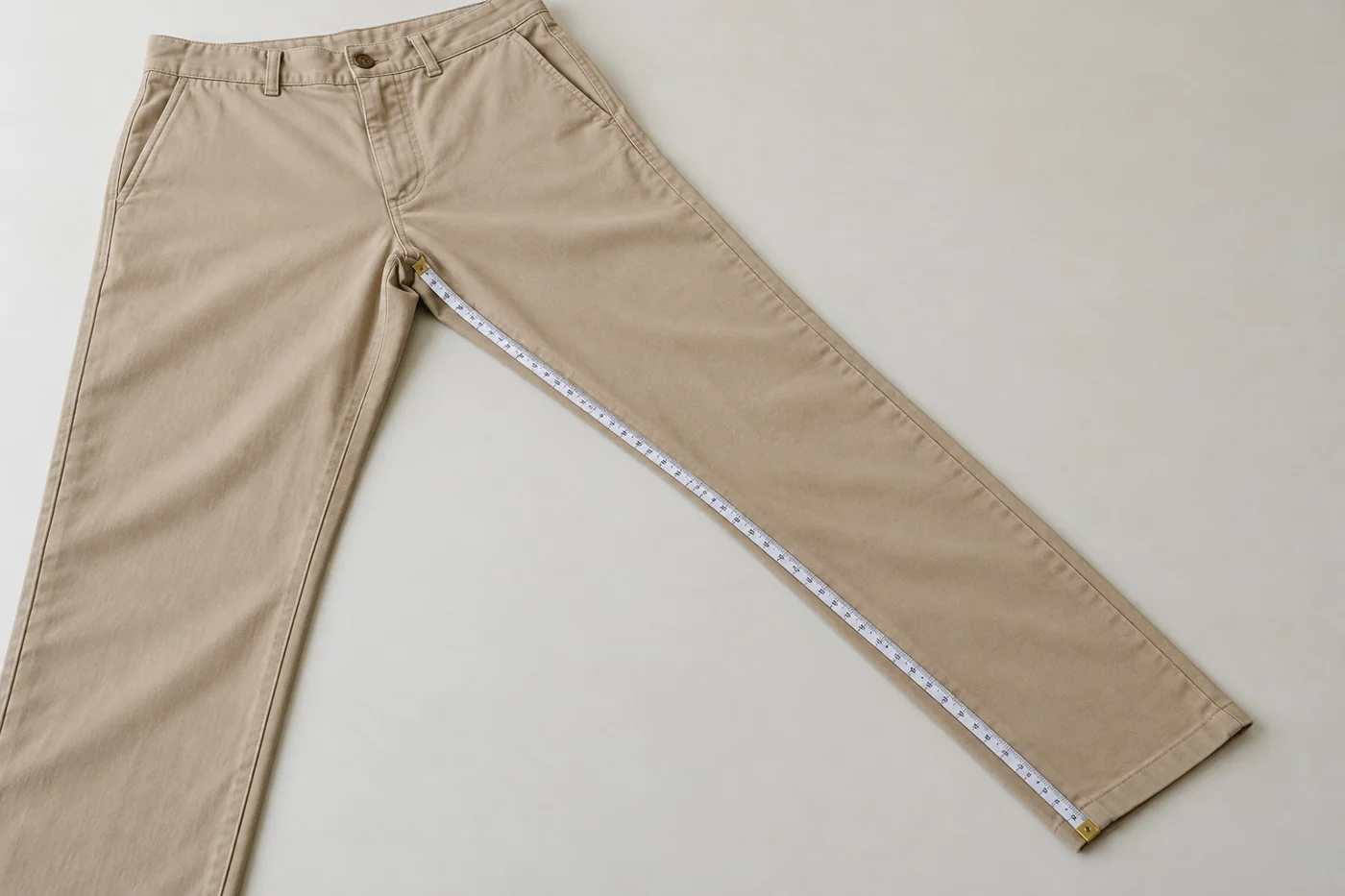
For inseam or sleeve measurements, pay close attention to the start point. A body inseam measurement is different from measuring a finished trouser leg on a table. A sleeve may be measured from the shoulder or from the center back, depending on the brand's instructions. A precise number from the wrong method is still the wrong comparison.
Keep units and rounding visible
Write down whether the measurements are inches or centimeters. Avoid converting repeatedly between the two and rounding each time, which can produce confusing discrepancies. If you convert, keep the original number as well.
A chart boundary does not make your body a sharply defined size. If a measurement falls between two listed sizes, consider the garment's intended fit and the dimensions that are hardest to accommodate. A fitted woven shirt and a relaxed knit can need different choices even when they are sold by the same retailer.
Use more than one measurement
For an upper-body garment, a suitable chest or bust measurement does not guarantee that the shoulders, sleeves, or length will work. For trousers, a waist match does not establish a comfortable rise or sufficient thigh room. Look for garment measurements, model information, and cut descriptions to fill those gaps.
Do not add your own arbitrary allowance to a body chart and then select a larger number without understanding the chart. Some charts already indicate the body measurements the garment is designed to fit. Others describe the garment itself, which requires a different comparison.
Save the date and method with your measurements, and retake them when your body, preferred fit, or type of purchase changes. The resulting note should make shopping clearer, not force every garment into the same size label. If the chart remains ambiguous, ask the retailer which measurements it represents before placing an order.