A small work wardrobe starts with the week, not with a prescribed number of pieces. How many days are you on site? How formal is the setting? Do you commute on foot, sit in strong air conditioning, or change shoes at work? These details decide which garments need to repeat and which layers earn their space.
Write down the outfits you wore during a representative week. Include anything that felt inconvenient: a shirt that needed ironing at the wrong moment, shoes that did not suit the commute, or trousers that could not be worn while another pair was being cleaned. Those gaps are more useful than a generic essentials list.
Choose a reliable base
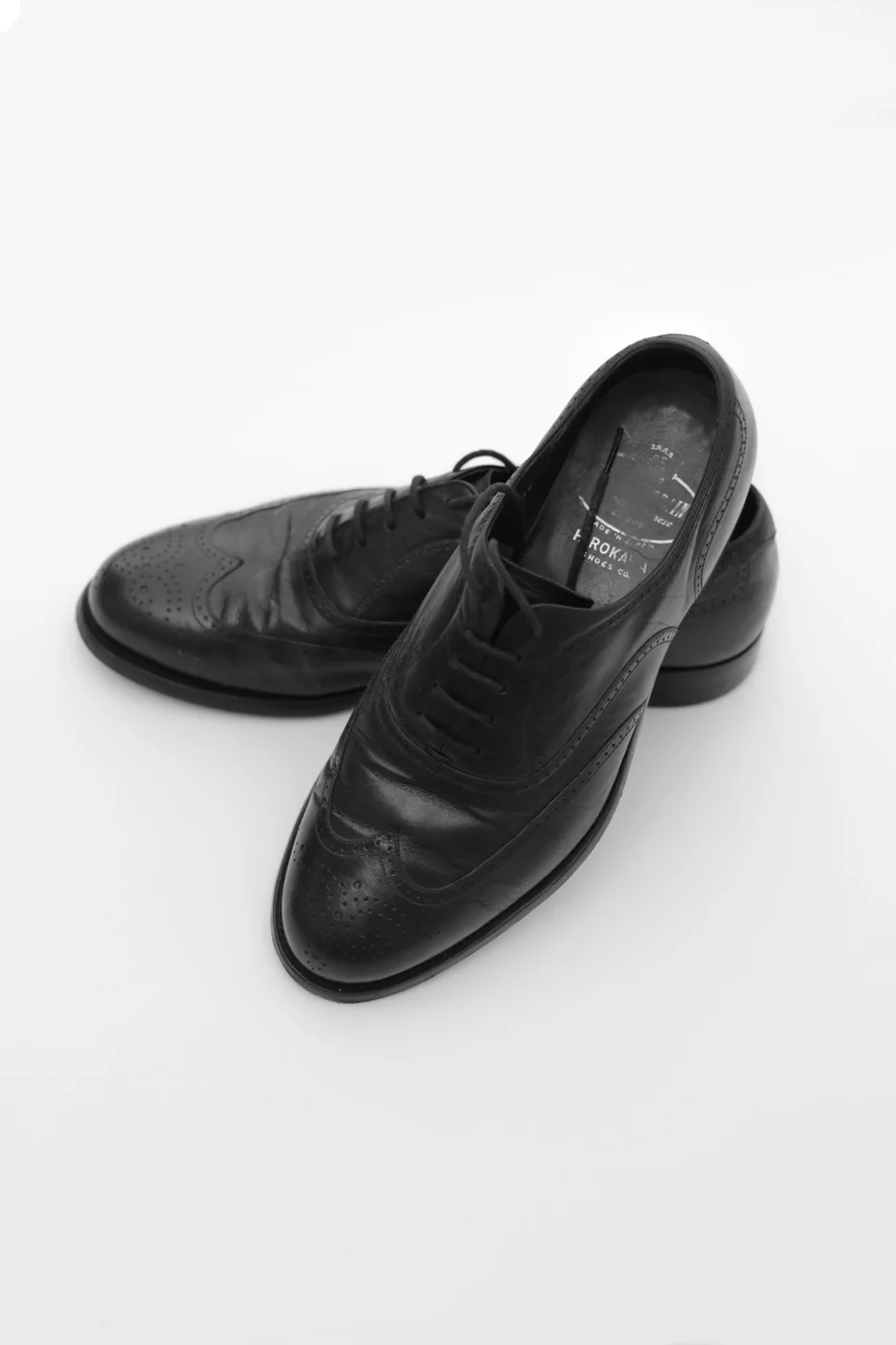
Select bottoms and shoes that fit the dress code and work together. They do not have to be identical or all one color, but they should support more than one combination. Test the actual pairings, including hem length and the way a top sits at the waistband.
Then add tops according to how often you need a fresh one and how often you can do laundry. A five-day office routine may require different quantities from a two-day schedule. Include a reserve for a spill, delayed wash, or unexpected extra day rather than designing a wardrobe that works only when every chore happens on time.
Layers should solve a workplace condition
A cardigan, blazer, or overshirt is useful when it addresses temperature or formality. Try it over the tops you plan to rotate. A layer that fits over only one thin shirt contributes less flexibility than its neutral color might suggest.
Think about storage and carrying too. If the layer comes off every afternoon, can it be folded or hung without awkward bulk? If you carry a backpack, inspect how it sits over the shoulders and whether the combination feels comfortable during the commute.
Keep occasion needs separate
An occasional presentation or formal event may need one additional outfit, but that does not mean every ordinary workday must be dressed for the most formal possibility. Keep a clear distinction between the daily rotation and exceptional requirements.
Buy replacements or additions one problem at a time. Wear the new piece through a normal week before assuming you need it in several colors. A small wardrobe works when the pieces cover your actual schedule, fit together comfortably, and can be cared for on time. It does not need to satisfy someone else's exact item count.