Petite sizing is easy to mistake for regular clothing with a shorter hem. In practice, a petite pattern may also adjust sleeve length, torso length, rise, and the placement of shaping details. The exact adjustments depend on the brand and garment, so the label is a place to investigate rather than a guarantee.
Start with the fit problem you are trying to solve. If regular trousers fit well through the waist and seat but are simply too long, a hem adjustment may be enough. If a dress's waist seam sits too low and the armholes gape, shortening the bottom alone will not address the proportions above it.
Look at landmarks before overall length
Try on the garment and identify where its shaping sits relative to your body. A jacket's waist shaping, a dress's bust darts, and a trouser's rise can matter more than the final inch at the hem. Details such as pockets and buttons also affect the visual balance when a garment is shortened.
Compare petite and regular versions in the same style when available. Keep the body size consistent for the initial comparison, but use each version's own chart. Notice what improves and what becomes less comfortable. A petite version that fixes sleeve length but crowds the torso is not necessarily the better fit.
Your proportions do not have to fit one sizing category from head to toe. You might prefer petite jackets and regular trousers, or the reverse. Select the piece that works rather than treating a label as a rule for your entire wardrobe.
Check the intended silhouette
A deliberately long blazer or oversized shirt should still look like its intended design in petite sizing. The goal is not automatically to make every garment short and close-fitting. Compare the proportion of sleeve, shoulder, body, and hem with the product's design, then decide whether you like that relationship on you.
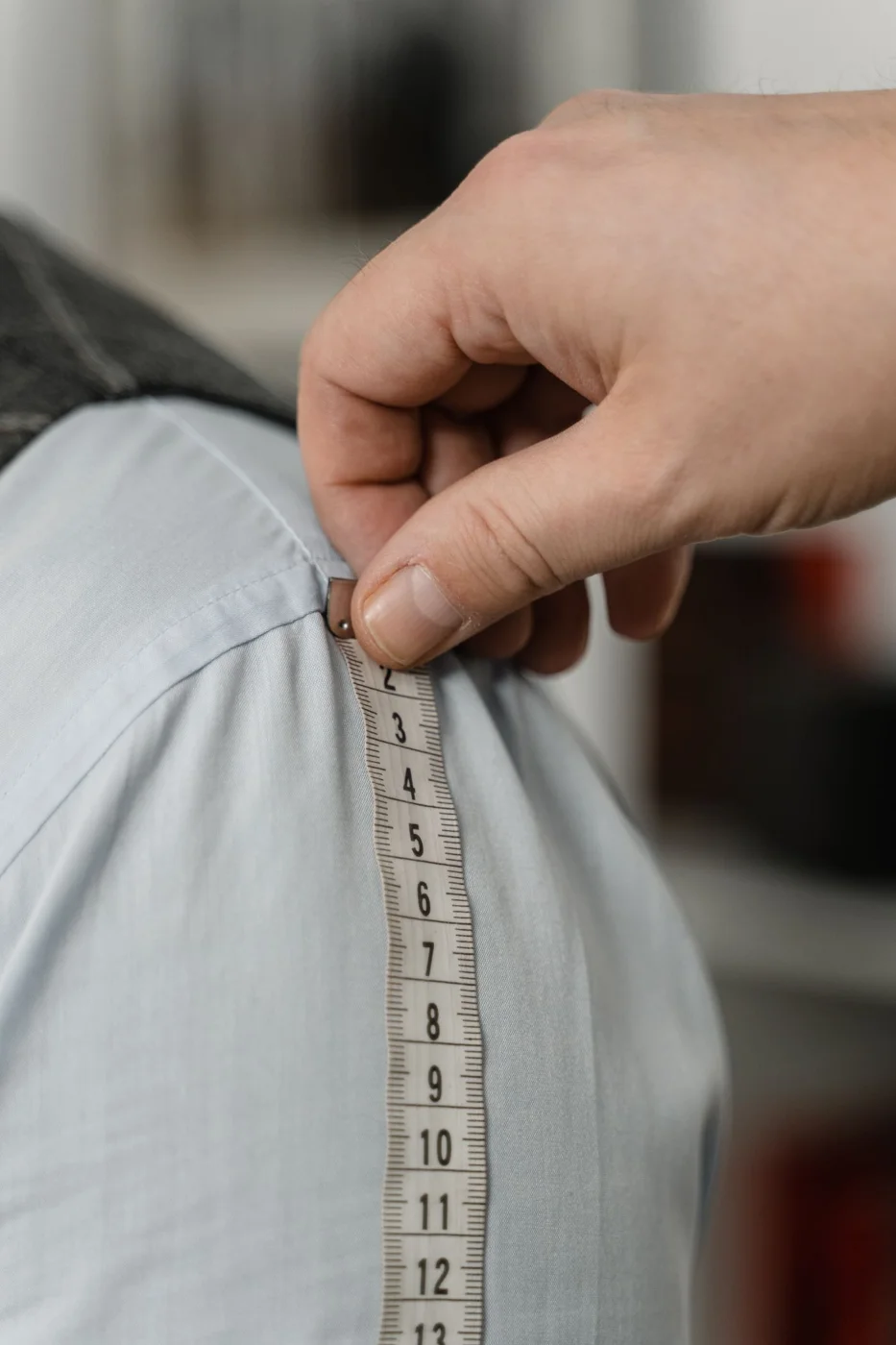
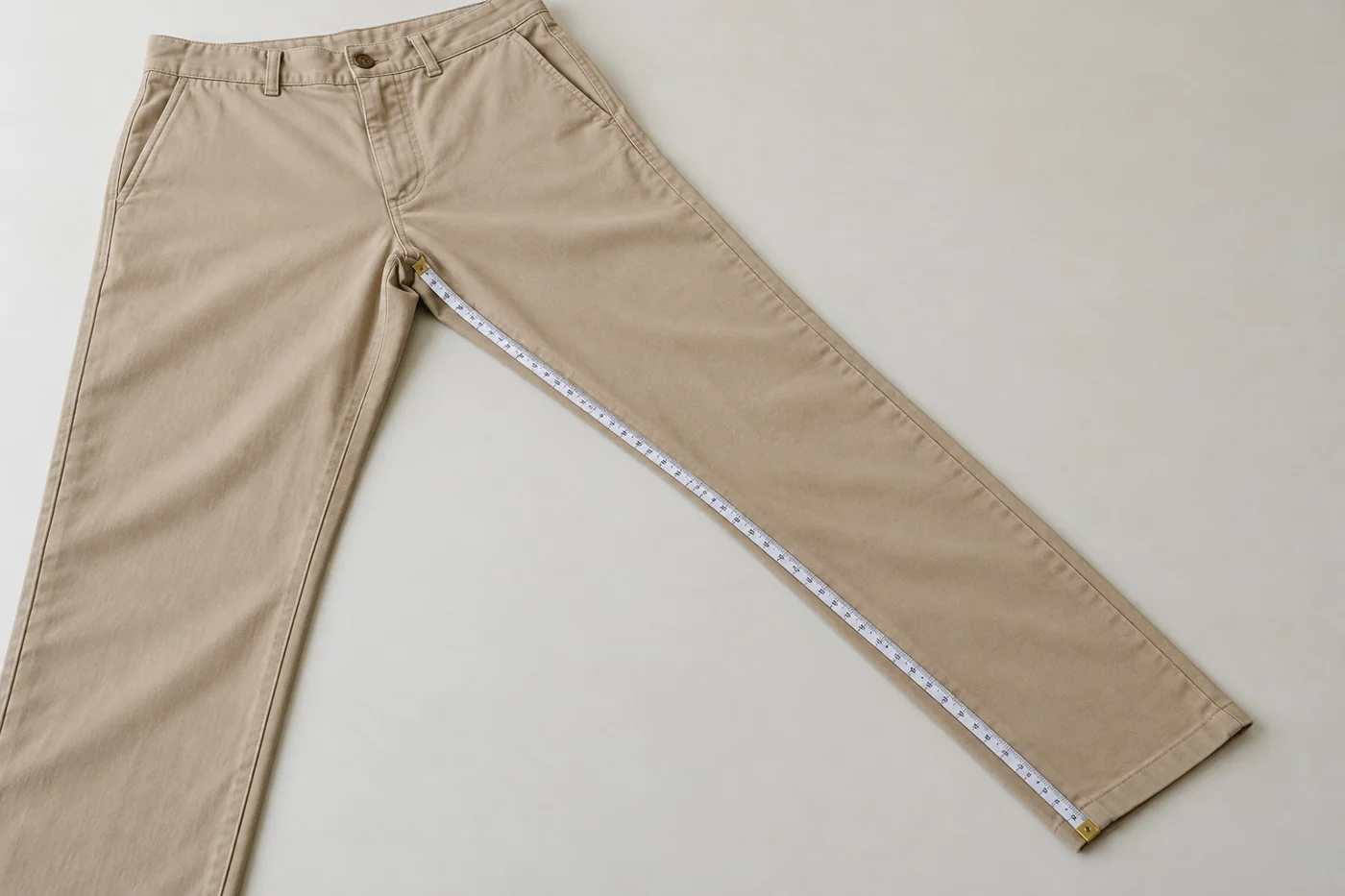
For online purchases, look for actual garment lengths and rise measurements in addition to the body chart. Model height can provide context, but it cannot tell you that your torso, leg, and arm proportions match the model's. A similar height is not a complete measurement reference.
Before keeping a piece, sit, reach, and layer it with your normal clothes. A proportion change that looks good in a still photograph must also work during the day. Use petite sizing as another set of available patterns, not as a restriction on which clothes you are allowed to try.