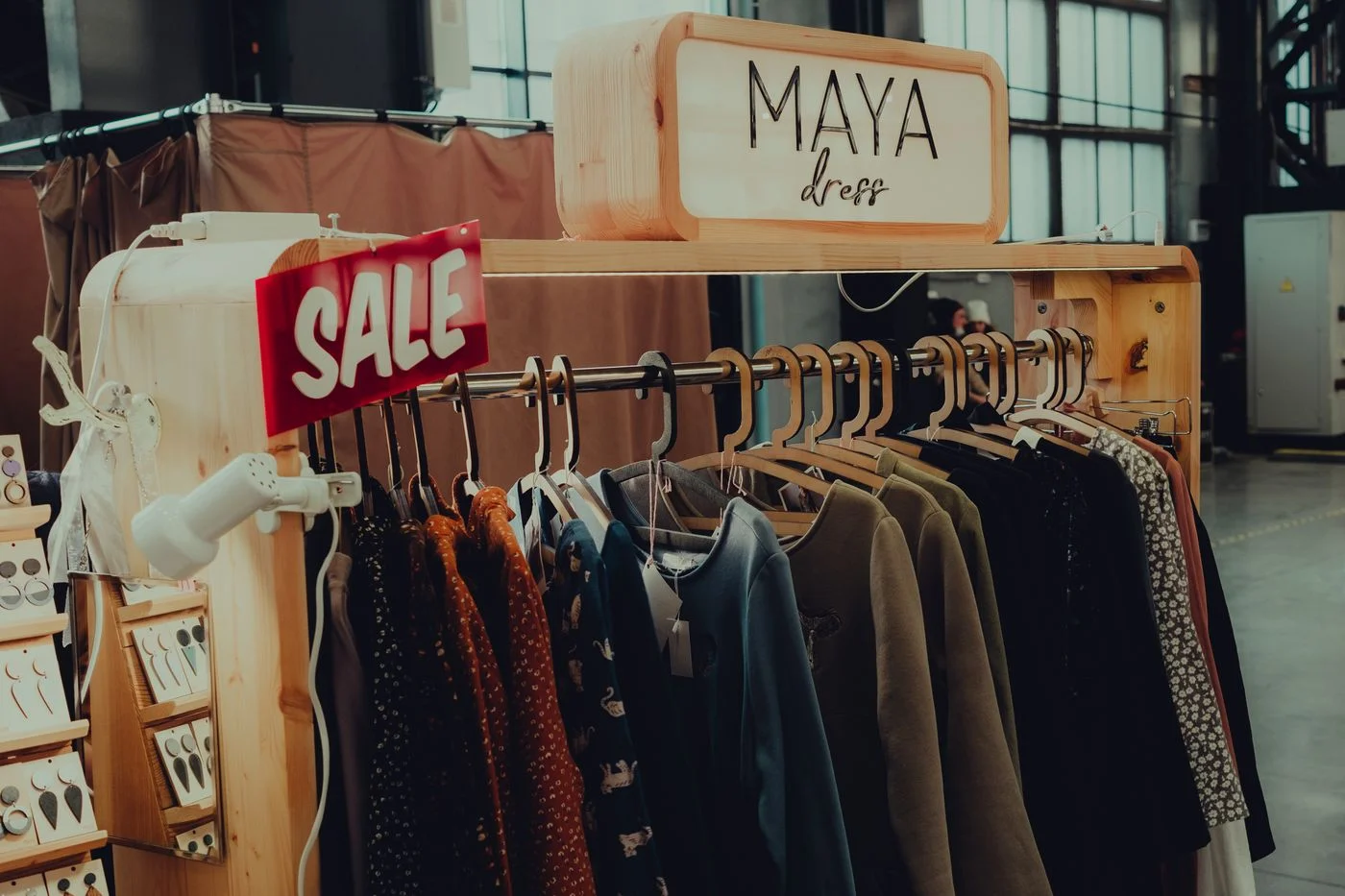
A final-sale label changes the importance of the information you gather before buying. It commonly signals a restricted voluntary return or exchange policy, but the exact meaning belongs to the seller's current terms and the circumstances of the purchase. Do not assume it has one identical definition across stores.
Find the wording on the product page and at checkout. Check whether it applies to the particular color, size, or discounted price you selected. A general returns page may include exceptions that are easy to miss when looking only at the standard policy.
Remove avoidable fit uncertainty
Compare garment measurements with something you own that fits in a similar way. A familiar size label is not enough when the cut or fabric changes. Ask for missing measurements before ordering, especially for a fitted garment or a brand you have not worn.
For shoes, consider the last, width, and intended socks rather than relying only on length. For accessories, compare actual object dimensions and closure requirements. A deep discount does not compensate for a fundamental mismatch you already suspect.
If you are buying secondhand or a sample item, ask about condition, alterations, missing parts, and repairs. Save the relevant description and photographs with the order details.
Clarify what happens if something is wrong
A change-of-mind return is a different situation from receiving the wrong item or a product with a problem. Ask the seller how those situations are handled rather than assuming the final-sale label answers every question. This is a reason to obtain clear terms, not a universal statement about legal rights.
Check whether an exchange, store credit, or size swap is offered and whether any exception requires prior approval. Do not count on an informal possibility as though it were a guaranteed policy.
Compare the risk with the saving
Imagine you would pay $70 for a returnable item or $50 for a final-sale version. The $20 difference is the amount you are receiving in exchange for less flexibility, along with any other differences in the offers. Whether that is worthwhile depends on how certain you are about the exact item.
Avoid buying several uncertain sizes under final-sale terms simply because each is cheap. The total cost of the unused pieces can exceed the saving on the one that fits.
Proceed when the measurements, condition, and policy are clear enough for you to accept the purchase. If an essential question remains unanswered, passing on the deal can be the most economical choice.