A slim cardholder can work perfectly for payment cards and fail immediately when you add a laminated pass. Before buying, line up every card you intend to carry. Compare width, height, thickness, and any protective sleeve. The largest or thickest piece often determines which design will work.
An access badge with a punched hole, a paper membership card, or a folded emergency note may need a different compartment from a rigid plastic card. Do not trim official documents or remove protective coverings simply to make them fit an accessory.
Check the entrance, not just the pocket
Measure the usable opening of a cardholder where possible. A pocket may widen farther down, but the object still has to pass through the top. Stitched corners and thick edges reduce clearance. A close fit can keep a card in place, yet a pocket that grips too tightly makes routine removal awkward.
For an indoor try-on, use the intended number of clean cards and remove each one separately. Avoid forcing several into a new slot because you expect the material to relax. That can stretch the pocket and leave it loose later when you carry fewer cards.
A center section may offer more flexibility than individual exterior slots, but inspect how it closes. If it has no fastening, turn the holder gently over a soft surface during testing to see whether your particular contents remain in place. Do not perform this test with valuable cards over an open drain or street.
Think about the card you use most
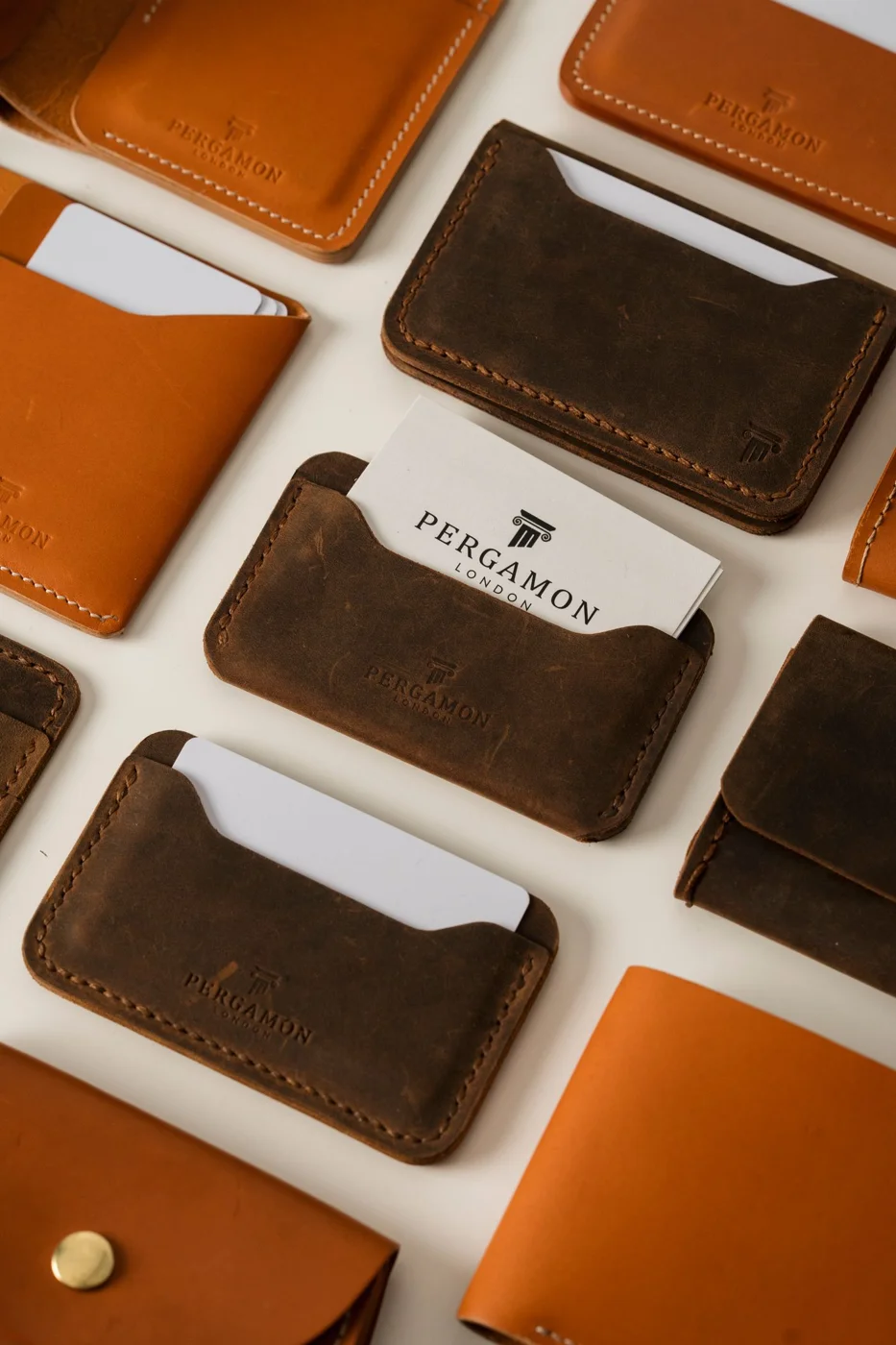
A work pass used several times each day should be easier to reach than a rarely used membership card. If the design hides the top edge too deeply, you may end up pinching or bending the card every time. Thumb notches can help, but their size and position need to suit your grip.
Metal cardholders introduce a different constraint: many use a rigid mechanism with a specified card capacity. Check compatibility with embossed, unusually thick, or flexible cards rather than assuming the spring will adapt.
Claims about signal blocking should be assessed separately from basic fit. Do not let a technical-sounding feature compensate for a holder that makes daily cards difficult to retrieve. The best compact design is the one that accommodates your actual collection, protects its edges from unnecessary bending, and stays convenient when carried in the pocket or bag you use.