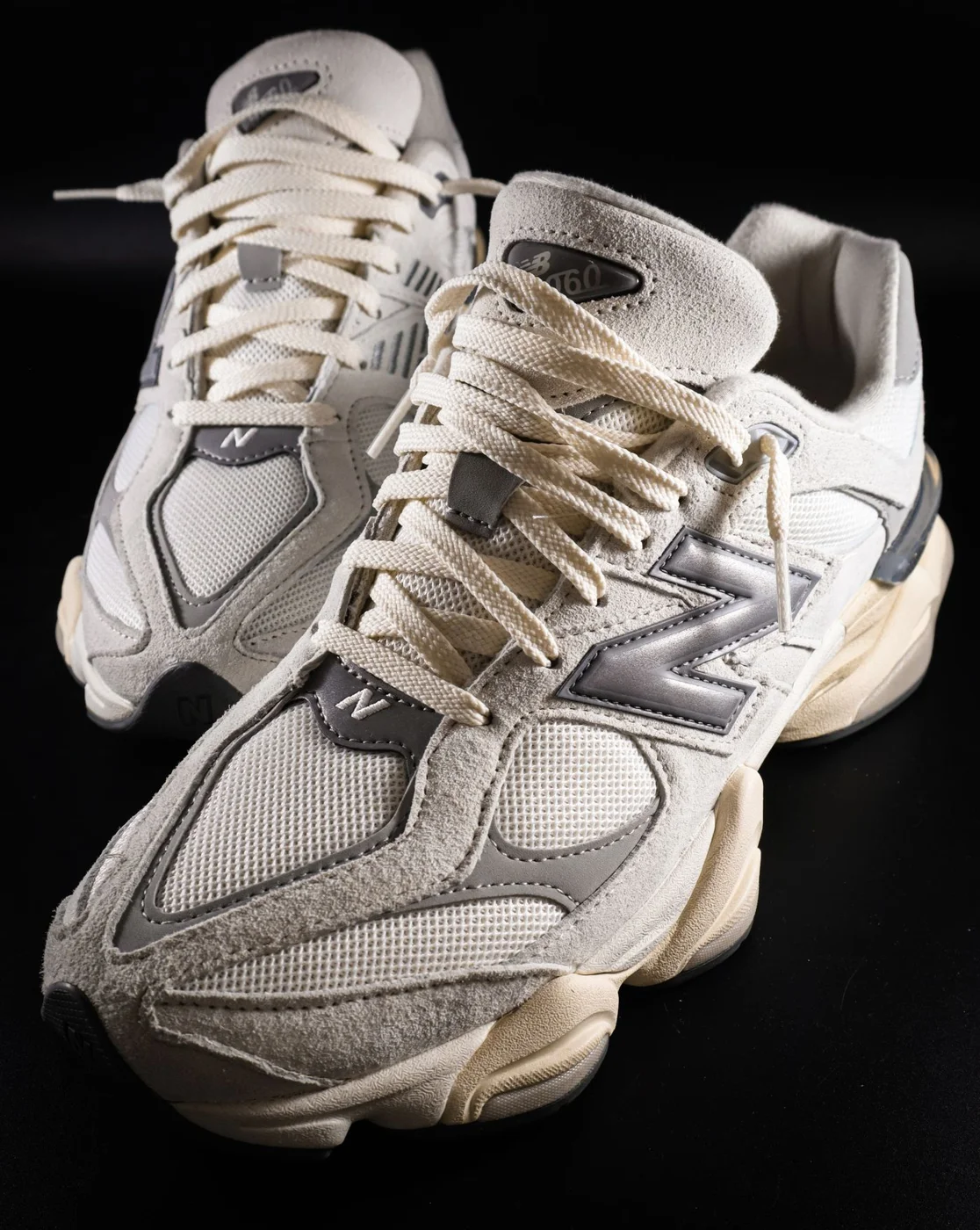
A favorite shoe can be tempting to buy again while it is discounted. A backup may save a future search, but it can also sit unused if the model has changed or your needs are different by the time you reach for it. Check more than the product name before buying a duplicate.
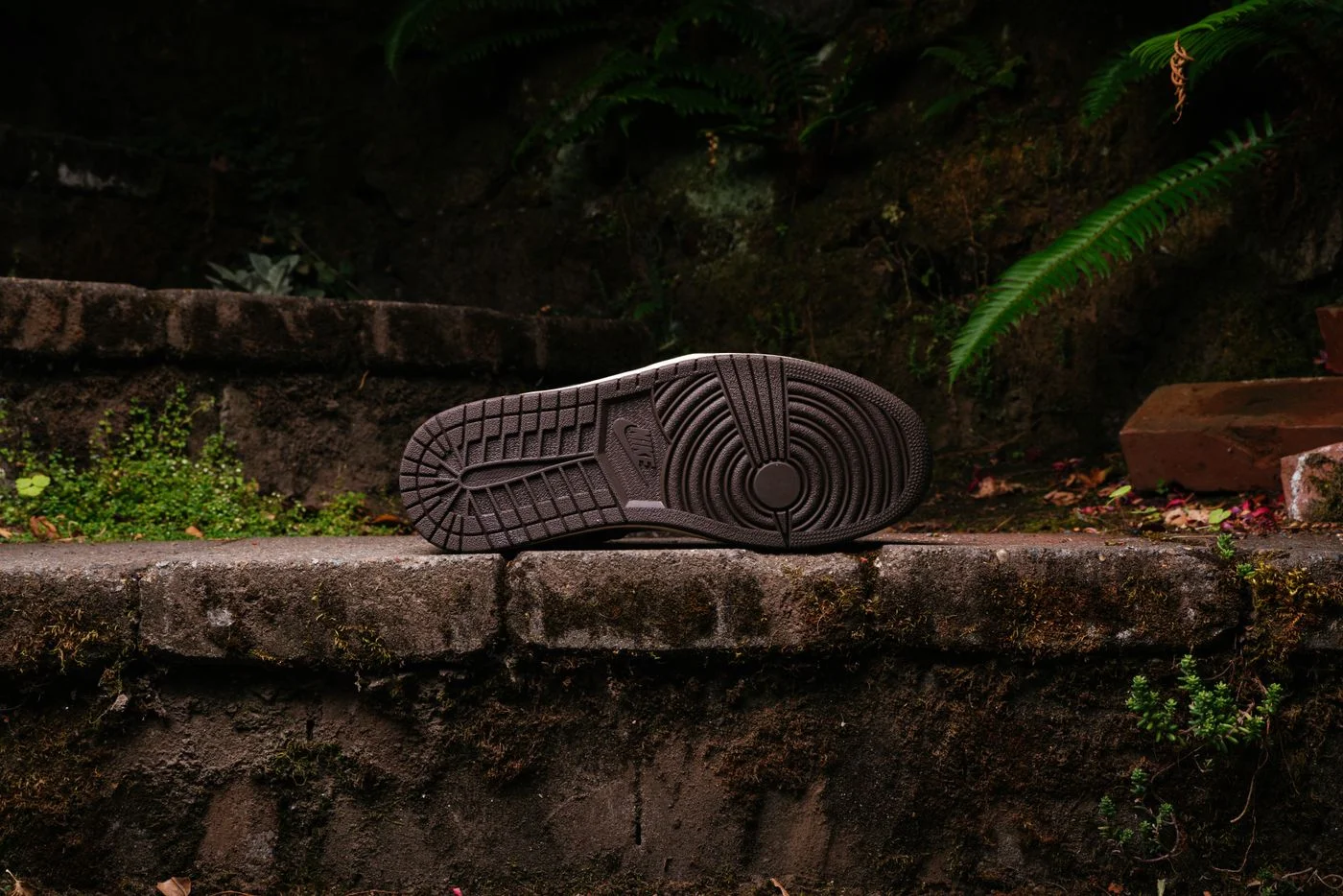
Compare the exact model code, width, size, and material description with your current pair. A familiar name may cover a revised sole, upper, or fit. A new color can also use different materials or trims. Treat those details as reasons to try the new pair, not as proof that it will feel identical.
Compare new with new expectations
Your worn favorite has softened and taken on a different shape from a fresh pair. That can make the new version feel unfamiliar even when the design is unchanged. Distinguish normal differences in condition from clear pressure, toe crowding, or excessive heel movement.
Try both new shoes with the socks you currently use. Walk a clean indoor route and assess the fit independently of your affection for the old pair. Do not ignore an uncomfortable result simply because the previous version became a favorite.
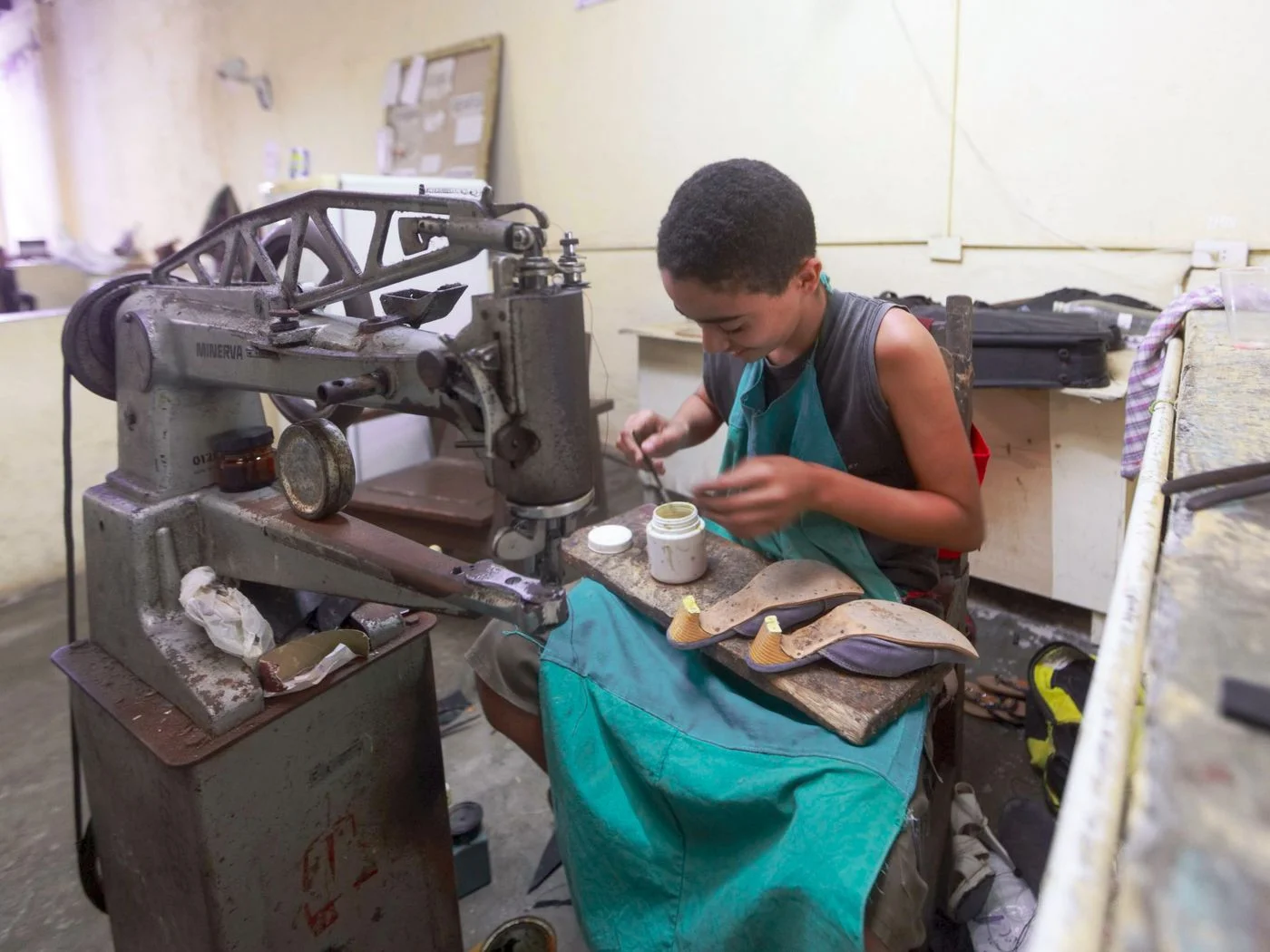
Look at how the existing pair has worn. Does the upper remain sound while a replaceable part needs attention, or is the entire shoe nearing the end of its useful role? A repair assessment may be worthwhile before buying a replacement if the model supports it. Conversely, a worn shoe should not be kept in use solely to delay opening the backup.
Decide when the second pair will be used
A duplicate for an active rotation has a clearer purpose than one stored indefinitely. Consider whether your dress needs, commute, or preferred style are likely to change. Avoid counting years of hypothetical wear as guaranteed savings.
Check the return deadline immediately, even if you intend to store the shoes. Waiting until the old pair fails may leave no opportunity to resolve a fit or manufacturing issue. Inspect the new pair now and keep any purchase record where you can find it.
Store according to the maker's guidance, away from unsuitable heat, moisture, or pressure that distorts the shape. A backup is most useful when it is a verified fit with a realistic place in your routine. A discount alone is not enough reason to fill the closet with future shoes.